
What Head Start and Early Childhood Programs Need
Classroom supplies, clothing and family basics: what early childhood programs ask donors for, and how in-kind gifts count toward Head Start's match.
Panos Kokmotos |
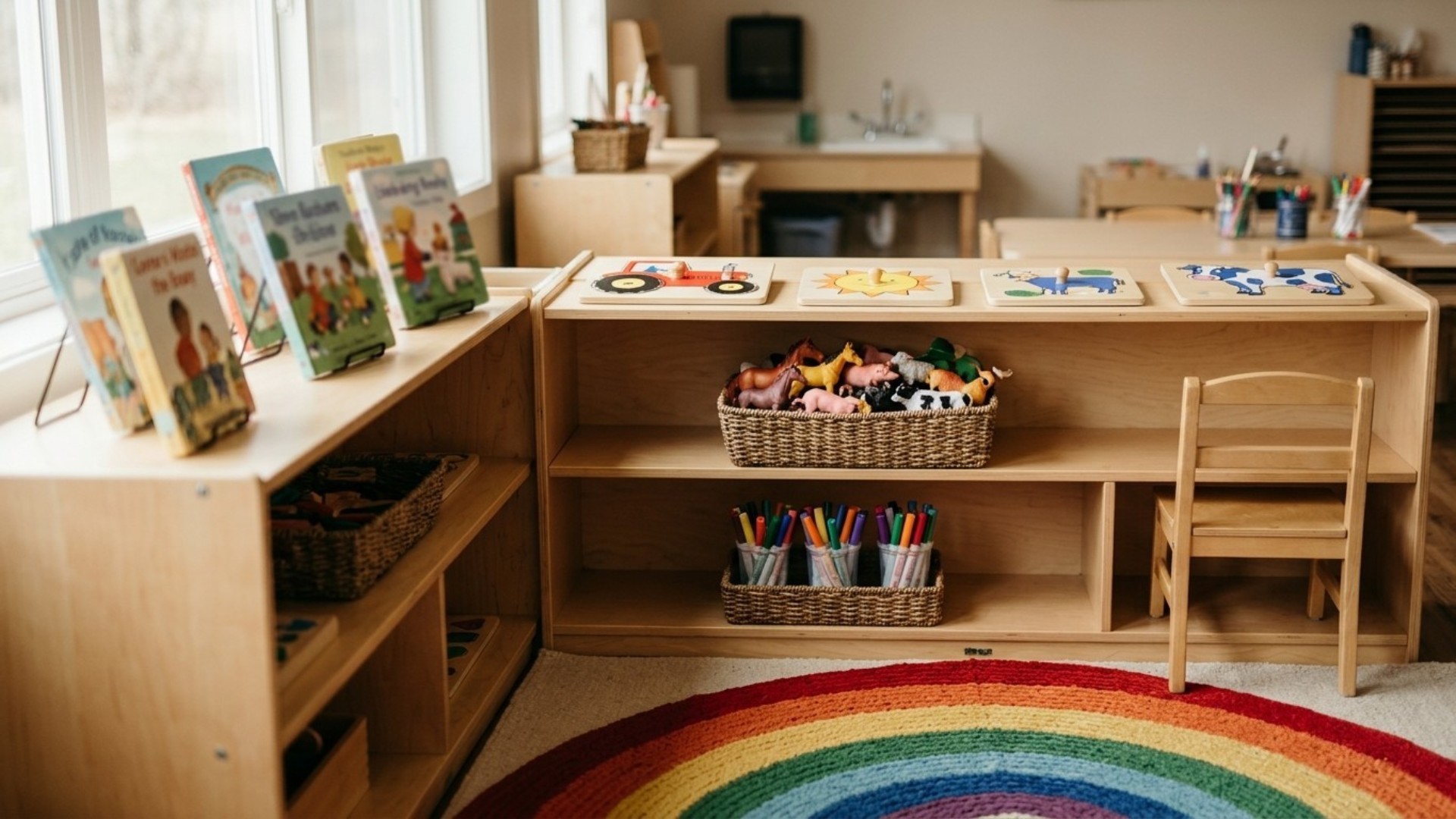
Early childhood programs mostly ask donors for three kinds of things: classroom materials for kids ages 0 to 5, clothing and basics for the children, and supplies that support families. The most useful gifts are specific, age-appropriate, and clean or new. For Head Start programs in particular, donated goods and services also help meet a federal requirement, which makes a documented gift worth more than it looks.
This guide covers what these programs actually list, what to say when a donor offers something off-list, and why in-kind records matter for Head Start.
What programs ask for
Two real examples show the pattern. Neither is a complete national list, and both are single programs, but the categories repeat.
Classroom materials. HACAP Head Start in Iowa runs an "Adopt-a-Classroom" list asking for art supplies (construction paper, crayons, washable markers, finger paint, Play-Doh, school glue, sidewalk chalk, tempera and watercolor paints), picture books, and toys and games such as alphabet blocks, shape sorters, wooden puzzles, Duplo sets, and plastic vehicles. The list says to look for items marked appropriate for ages 0 to 5, and that clean, good-condition used items can be donated.
Clothing and family basics. The Jefferson County, Colorado Head Start wish list lists ongoing needs including boots and sneakers in toddler sizes 6 to 13, winter hats and gloves, pants in sizes 3T to 6X, baby clothing, diapers, wipes, preschool books, laundry soap, and dish soap. Clothing and shoes can be gently used or new. Art supplies must be new. Feminine hygiene products must be sealed.
The Jeffco page's separate "current needs" section is labeled for the 2022 to 2023 school year, so treat that part as dated. The ongoing list is the useful bit, and it's why you should always ask a program for its current list rather than rely on one you found online.
Why the new-versus-used line matters
Programs set different rules for different items, and the split shows up on both lists. A rule of thumb that fits the two examples:
- New: art supplies, anything consumed by kids, hygiene products
- Gently used or new: clothing, shoes, books, many toys
- Check first: anything with a safety angle, such as car seats, cribs, or soft toys Neither page lists exclusions explicitly, so if you're a donor or a nonprofit publishing guidelines, say what you won't take. Programs that publish "no used stuffed animals, no recalled products" save staff hours of turning gifts away.
Why in-kind gifts matter more to Head Start
Head Start grantees are required to provide a 20 percent non-federal match, and headstart.gov says it can come through resources donated by the communities they serve and state funding as appropriate. Donated goods and services can count toward that match, which turns a box of supplies into something a program has to track.
Treat the details with care. The valuation and documentation rules sit in federal regulation (the page points to 45 CFR 1303.4 and 45 CFR 75.306), and your program's finance lead should confirm what qualifies and how to record it. The practical lesson for any early childhood nonprofit: log every donated item with a description, date, and donor, the day it arrives.
How to ask so you get what you need
A program that says "we accept donations" gets whatever the garage held. A program that publishes a short list gets the right gifts. Here's what to put on yours:
- The categories and sizes you need right now
- What must be new
- What you can't accept
- A drop-off window and an address, or a shipping address that works
- A contact for donors with questions Shipping matters more than people think. Both examples above point donors to a wish list so items arrive at the program, rather than at someone's home. On Givelink, nonprofits list the exact items they need and donors fund them directly, so a program asking for 3T to 6X pants gets 3T to 6X pants. It's free to list, with no setup fee, platform fee, or subscription, and you see what's coming before it arrives.
Frequently asked questions
What do Head Start programs need most from donors? Classroom materials for ages 0 to 5, toddler clothing and shoes, diapers and wipes, and family basics such as laundry soap. Each program publishes its own list, so ask for the current one.
Can donations count toward Head Start's match? Head Start grantees must provide a 20 percent non-federal match, and the Office of Head Start says it can come from resources donated by the communities they serve. Your finance team decides what qualifies.
Can I donate used toys to a preschool? Often yes, if they're clean, in good condition, and marked for ages 0 to 5, as one Head Start program's list says. Confirm first, since safety rules vary.
Do early childhood programs take cash or items? Both. Items fill specific classroom and family gaps. Cash covers what lists can't.
Next step
Draft a one-page needs list for your program: the five things you'd use today, sizes included, and what you can't take. See how a wishlist works or browse the live directory.
See also


What is Givelink?
Learn from the founders:
Run a nonprofit? Get what you need.
Set your nonprofit up yourself in about 15 minutes. It's free, there's no contract, and you don't need to talk to anyone first.