
for nonprofits
What Furniture Banks Actually Need in Donations
What furniture banks take, what they have to reject, and why mattresses and working appliances disappear fastest.

Panos Kokmotos |
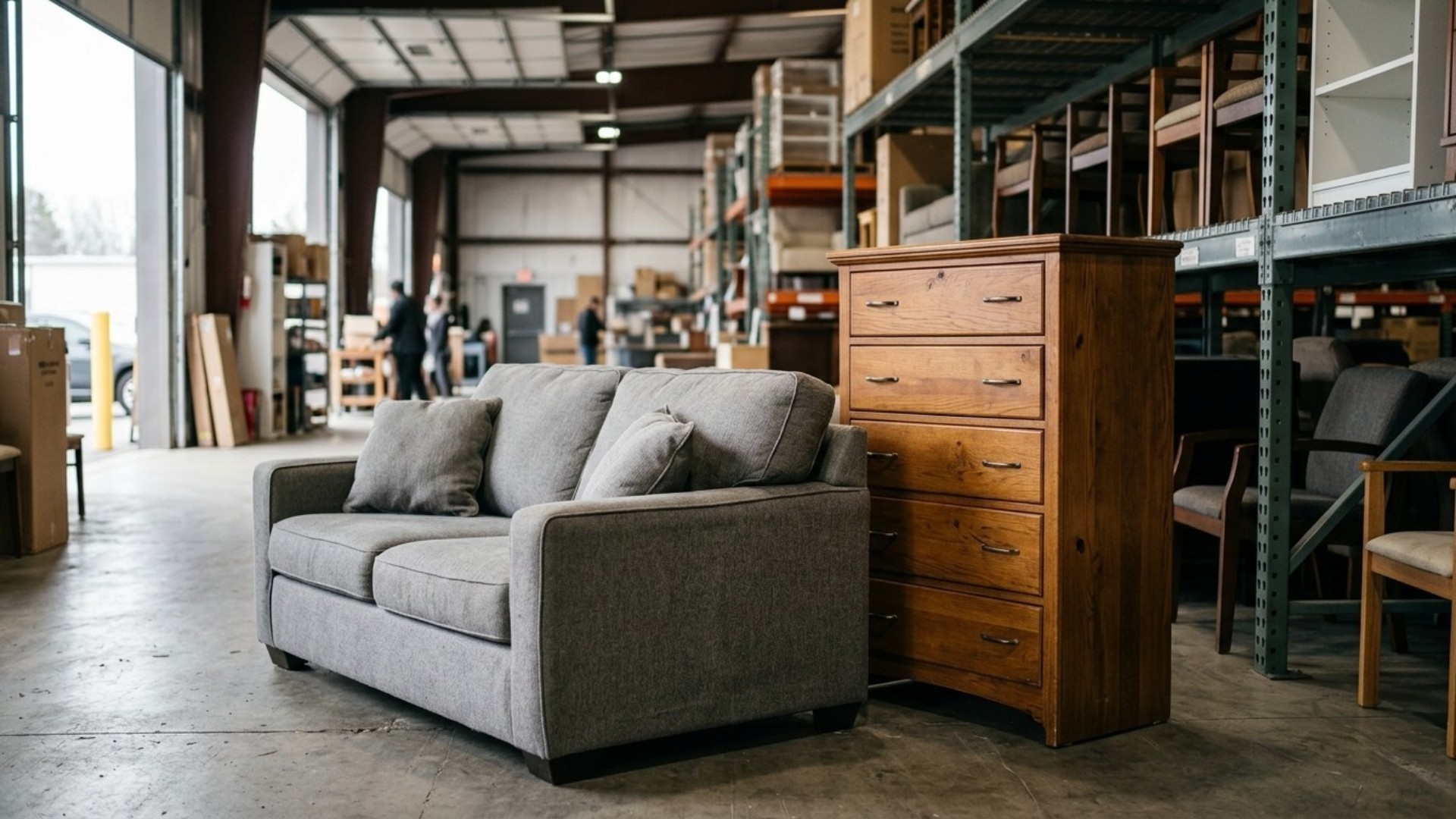
Furniture banks take sofas, beds, dressers, tables, and working small appliances, and they turn away anything with stains, pests, or structural damage, no exceptions. The two items that disappear fastest once donated are stain-free mattresses and working major small appliances like microwaves, because both are expensive to buy new and both are things a family moving out of a shelter or transitional housing needs on day one, not day thirty.
How big the furniture gap actually is
This isn't a niche problem. Research cited by A Wider Circle, a national furniture-poverty nonprofit, finds that three in ten American households will lack critical furniture items needed to make their home safe and functional at some point. That's not three in ten low-income households specifically. It's three in ten households, period, which is part of why furniture banks consistently describe demand as outpacing donations rather than the other way around. Organizations running furniture assistance programs also report that families who receive furniture show a measurably improved ability to provide for themselves afterward, which tracks with what furniture bank staff say anecdotally: a bed and a table aren't comfort items, they're what makes an apartment livable enough to hold a job, do homework, and host a case worker's home visit.
What gets accepted
A typical furniture bank's accepted list, drawn from published donor guidelines at organizations like Furniture Bank, breaks down into a few categories:
- Living and dining room: sofas, couches, armchairs, dining tables, coffee tables, end tables, bookshelves, lamps, rugs, artwork.
- Bedroom: beds from twin through king, gently-used stain-free mattresses and box springs, wooden bed frames, dressers, armoires, nightstands, desks, mirrors.
- Working electronics: flat-screen or console TVs, DVD players, stereos, radios, fans, space heaters, as long as they power on and work.
- Small kitchen appliances: microwaves, toasters, blenders, coffee makers, plus cookware, bakeware, and basic tableware. The common thread is that everything on this list is something a family furnishing an apartment from nothing would otherwise have to buy new, often on the week they move in, with no credit history and no savings to cushion the cost.
What gets rejected, and why it isn't negotiable
Furniture banks reject items for safety and liability reasons that aren't up to staff discretion once a problem is spotted:
- Anything with bed bugs, pest infestations, mold, bodily fluids, or deep stains. This is the single biggest rejection category. A sofa that looks fine in a donor's living room can carry pests that infest an entire warehouse, so intake staff have to be strict rather than apologetic about it.
- Large appliances. Stoves, refrigerators, dishwashers, washers, and dryers are typically declined, since they require electrical or plumbing hookups a furniture bank isn't set up to test and certify safe.
- Loose textiles. Clothing, towels, and loose linens usually go to a different kind of donation program entirely, not a furniture bank.
- Built-in or oversized items. Cabinetry, bathroom vanities, marble pieces, wall-to-wall carpet, and anything that reads as construction debris rather than furniture. The practical takeaway for a donor: minor wear and tear is fine. Visible staining, odor, or any sign of pests is not, and testing that boundary with a furniture bank wastes a pickup slot that could have gone to a usable piece.
Why mattresses and small appliances move first
A family coming out of a shelter, transitional housing, or a sudden housing crisis typically has clothes and whatever fits in a car, not a bed. A furniture bank's intake staff will say, consistently, that stain-free mattresses are gone almost as fast as they arrive, because sleeping on a bed is the single most immediate need a move-in family has that a thrift store price tag makes out of reach fast. Working small appliances run a close second: a $40 microwave or toaster is a minor expense for most households and a real line-item decision for a family furnishing an apartment on a shelter voucher.
This is also where pickup logistics matter more than people expect. Most furniture banks offer home pickup for larger pieces and set warehouse drop-off windows (commonly weekday mornings) for anything a donor can load into a car themselves. A mattress that's technically donatable but requires a donor to arrange their own transport often just doesn't get donated at all, which is part of why the shortage is chronic rather than seasonal.
Where in-kind platforms fit alongside pickup logistics
A furniture bank's hardest problem isn't persuading people that used furniture is worth donating. It's matching the right item, in the right condition, to the right moment, without months of a mismatched surplus sitting in a warehouse aisle. A published, current list of exactly what a furniture bank needs this month, shared the way a registry gets shared rather than a generic donation plea, lets a donor with a stain-free mattress and no use for it find the organization that needs exactly that, right now.
Givelink works the same way for furniture banks as it does for any nonprofit with a physical-goods need: post what's actually short this week, let a donor commit to that specific item, and get a photo when it arrives instead of a vague thank-you. See how it works for nonprofits, or browse the live directory of charities already publishing real needs. For the broader mechanics of how in-kind giving differs from a cash gift, our complete guide to in-kind donations covers the basics a furniture bank's own donor page often assumes readers already know.
FAQ
Do furniture banks take mattresses? Yes, and stain-free mattresses are usually the single fastest-moving item a furniture bank receives, because families coming out of a housing crisis need a bed on day one. A mattress with any staining, odor, or sign of pests will be declined.
Will a furniture bank take my old refrigerator or washer? Typically no. Large appliances that need electrical or plumbing hookups are usually outside what a furniture bank can test and certify safe, and most stick to small working appliances like microwaves and toasters instead.
Can I donate clothing to a furniture bank? No. Clothing, towels, and loose linens go to a different kind of donation program. Furniture banks focus on furniture, bedding frames (not loose linens), and small working appliances.
What's the single most common reason a furniture donation gets rejected? Visible staining, odor, mold, or any sign of a pest infestation. This is a strict, non-negotiable standard because one infested piece can put an entire warehouse at risk, not a judgment call staff make case by case.
How do furniture banks decide what to prioritize in a given month? By what's actually moving out the door to families versus what's sitting in inventory. A published, regularly updated needs list lets a furniture bank signal exactly that instead of a generic "we accept furniture" page that doesn't tell a donor what's actually short.
See also
What is Givelink?
Learn from the founders:
Run a nonprofit? Get what you need.
Set your nonprofit up yourself in about 15 minutes. It's free, there's no contract, and you don't need to talk to anyone first.