
Recalled Baby Gear Donations: What Nonprofits Check
Cribs, car seats and sleepers can't be passed along if they're recalled, expired or noncompliant. Here's the intake check nonprofits should run.

Panos Kokmotos |
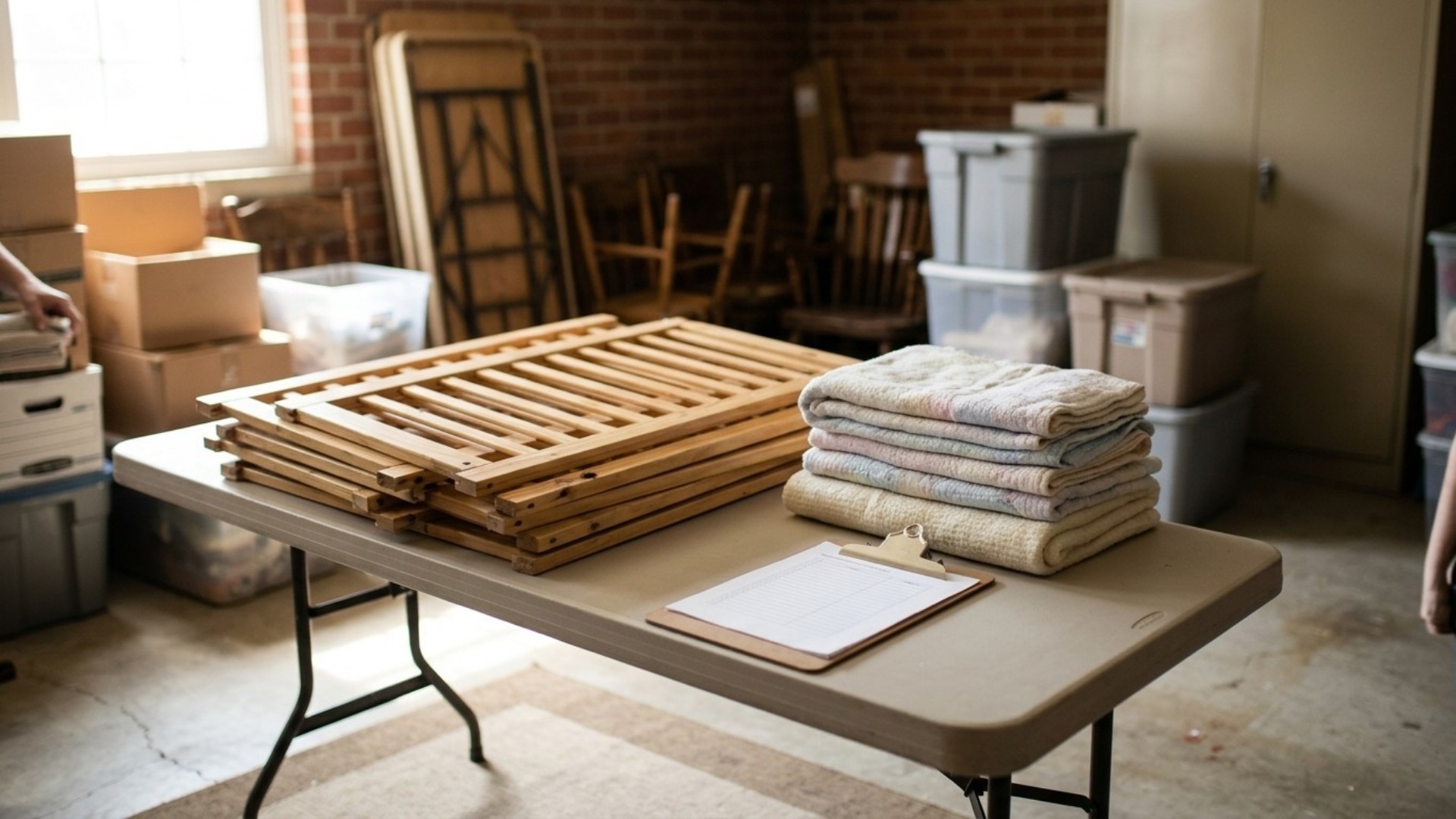
A nonprofit shouldn't hand out a donated crib, car seat or sleeper until it has checked three things: the recall status, the manufacture date, and whether the item meets today's federal rules. If any answer is "unknown," the item doesn't go out. Baby gear is the one donation category where saying yes to a generous gift can put a child at risk, so the intake check matters more here than for clothes or canned food.
This guide covers what to check, what the law says about passing items along, and how to turn a "no" into a kind conversation with the donor.
Why baby gear needs its own intake rule
Most donated goods fail gracefully. A stained jacket gets pulled and recycled. Baby gear fails quietly. A crib with a bad slat spacing looks fine. A car seat that's been in a crash looks fine. Neither one tells you what's wrong with it.
Diaper banks, pregnancy resource centers and family shelters get these offers constantly, often from well-meaning families clearing out a nursery. Staff and volunteers rarely have time to research each model. A written rule that everyone can follow in 2 minutes is the fix.
Cribs: the 2011 rule and what it means for donations
The Consumer Product Safety Commission says that beginning June 28, 2011, all cribs manufactured and sold, including resale, must comply with the federal crib standard. CPSC's own Q&A adds that a consumer should not resell, donate or give away a crib that doesn't meet the standard. You can read it in the CPSC new crib standard Q&A.
In practice, that gives you a simple screen:
- Made before June 2011? CPSC's resale guidance describes cribs made or sold before that date as very likely noncompliant. Don't accept them for distribution.
- Drop-side rail? The 2010 vote that led to the rule banned manufacture, import and resale of cribs with drop-side rails, according to Miller & Chevalier's summary. Decline these.
- Missing hardware, cracked wood or no model label? Decline. Without the label you can't check recalls either. CPSC recommends disassembling a crib you can't use before discarding it, so nobody else picks it up from the curb. Tell the donor that.
Car seats: expiry, crash history and labels
Safe Kids Worldwide is blunt about secondhand car seats. A seat has a lifespan of a minimum of 6 years from the date of manufacture, which is stamped on the seat. Seats are designed to perform one time in a crash. And a seat missing its labels can't be checked for recalls or expiry at all.
Safe Kids's bottom line is that a secondhand seat is only acceptable if you know its full history, you're 100% certain it was never in a crash, the labels show no recall, and it isn't expired.
A nonprofit can almost never confirm "100% certain" about a stranger's seat. That's why many programs accept car seats only as new-in-box gifts, or only from a donor who can answer the crash question directly and in writing. Pick your policy and put it on your wishlist page so donors don't have to ask.
Inclined sleepers and crib bumpers
Congress passed the Safe Sleep for Babies Act, and CPSC finalized rules implementing it in 2023. The statute took effect on November 12, 2022 and bans the sale, manufacture for sale, distribution and import of infant inclined sleepers and crib bumpers, per CPSC's release.
The release doesn't spell out how the bans treat used items. So don't lean on a technicality. If a family offers an inclined sleeper or a bumper set, the safe answer for a nonprofit is no, and a short explanation of why.
The 2-minute intake check
Put this on a laminated card at the receiving table:
- Find the label. No label, no model number, no date? Decline.
- Check the date. Car seat past 6 years, crib made before June 2011? Decline.
- Search the recall list. Enter the brand and model at cpsc.gov/recalls. CPSC's resale guidance says it's your responsibility to know whether a product has been recalled, and that it's illegal to sell a recalled product.
- Look for damage and missing parts. Loose screws, frayed straps, cracked plastic. Decline.
- Log the decision. Write the item, the date and "accepted" or "declined, reason" in your intake sheet. Log the declines too. If anyone asks later why a program refused a gift, you'll have an answer.
How to say no without losing the donor
A declined crib doesn't have to end the relationship. Try this:
"Thank you for thinking of us. We can't pass along cribs made before 2011 because of federal safety rules, so we'd like to avoid putting a family at risk. Here's what we're short on right now: sealed diapers and wipes, new crib sheets, and new pacifiers."
That reply gives a reason, names a rule and offers a yes. Most donors take it well, and plenty follow through on the alternative.
Where a wishlist helps
Safety screening gets easier when donors buy the exact item you named. A wishlist that says "new, in-box convertible crib, current model" pre-filters the problem, because new retail products carry current labels and recall coverage. Givelink is a free in-kind donation platform where a nonprofit lists specific items and donors fund them, so the nonprofit decides what's safe to ask for before anyone shops.
Frequently asked questions
Can a nonprofit accept a used crib at all? Only if it meets current federal crib standards, has its label and hardware, and hasn't been recalled. CPSC says consumers shouldn't donate a crib that doesn't meet the standard, so the burden of checking falls on the intake team.
How old can a donated car seat be? Safe Kids says a seat has a minimum lifespan of 6 years from its manufacture date, and the date is stamped on the seat. Check the specific manufacturer's label, since some set longer limits.
Do we have to check recalls on every item? CPSC's resale guidance says it's your responsibility to know whether a product has been recalled. Search the brand and model on cpsc.gov/recalls before you distribute any children's product.
What should we do with items we decline? Disassemble cribs and cut straps on car seats so they can't be reused, then recycle or dispose of them locally. Check your local rules before you bin anything with electronics or batteries.
Next step
Print the 5-step check above, tape it to your receiving table and add a "new in-box only" line for cribs and car seats to your public wishlist. If you'd like donors to fund exactly the safe items you've picked, see how Givelink works or browse the live nonprofit directory.
See also




What is Givelink?
Learn from the founders:
Run a nonprofit? Get what you need.
Set your nonprofit up yourself in about 15 minutes. It's free, there's no contract, and you don't need to talk to anyone first.