
How Phone and Tablet Donations Work for Nonprofits
Nonprofits get donated phones as cash, refurbished devices or both. Here's what donors must wipe and what your org should plan for.

Alex Karagiannis |
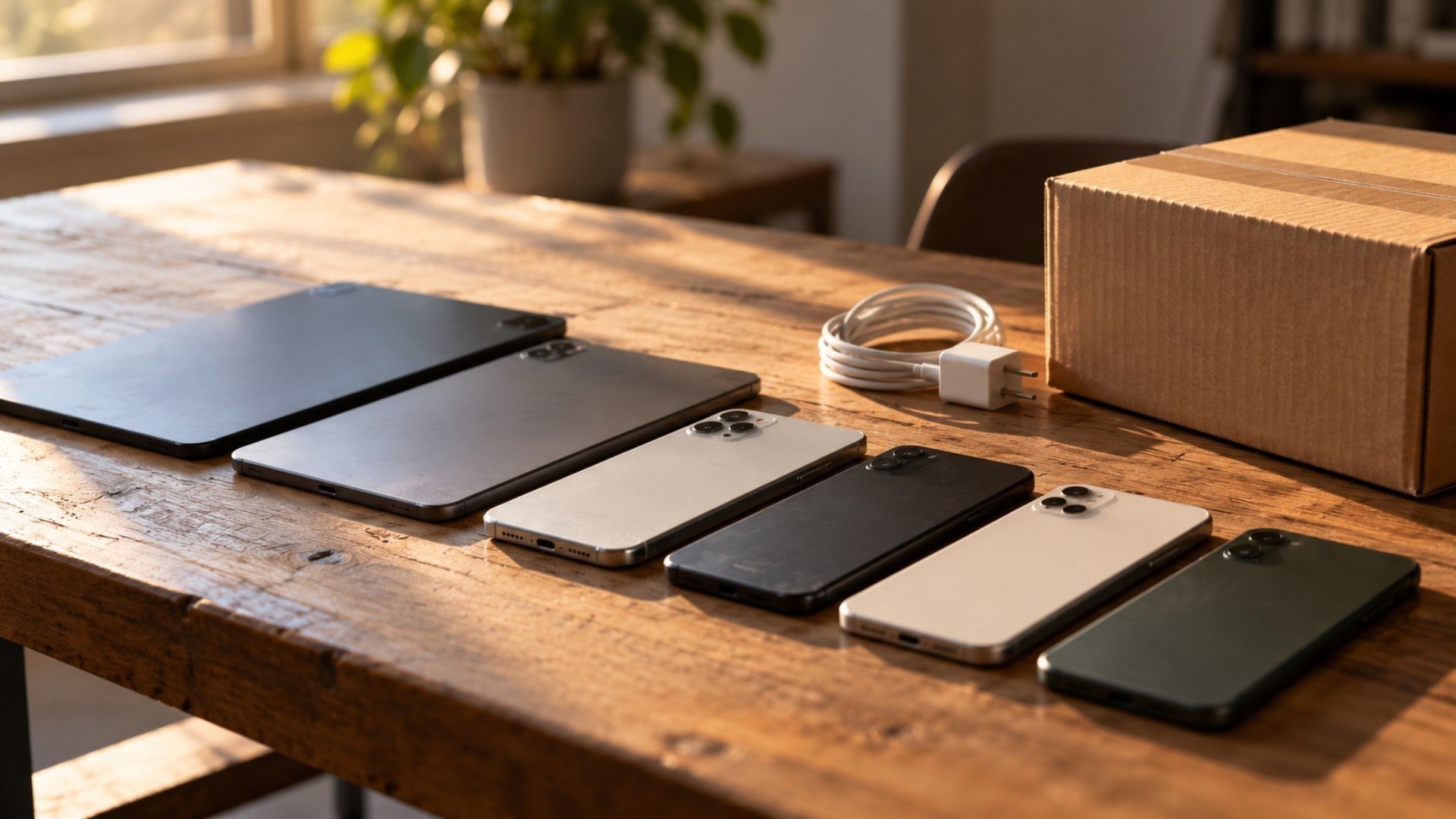
A donated phone usually helps a nonprofit in one of two ways: it's refurbished and resold for cash, or it's refurbished and handed to a person who needs it. Either way, the device goes through a data-clear step first. That step, and who's responsible for it, is what separates a smooth program from a risky one.
Most nonprofits don't run this themselves. They partner with a recycler or refurbisher and let the partner handle the hard parts. Here's how three real programs split the work.
Model 1: Collect everything, resell the good ones
The National Domestic Violence Hotline accepts "any cell phone in any condition" plus accessories, and also takes tablets, watches and laptops. Donations go directly to its partner, Cellular Recycler, which refurbishes and resells. The Hotline says roughly 60% of collected items are refurbished and resold, and it receives approximately one third of the wholesale value. The rest is recycled.
For the nonprofit, that's low overhead. You don't hold inventory, you don't pay to wipe anything, and the partner issues an acknowledgement letter the donor can use for taxes. The tradeoff is that you get a share of a wholesale price, not a retail one.
Model 2: Collect, refurbish, redirect to people
Cell Phones for Soldiers takes devices "regardless of age, condition, or carrier," and says even broken or outdated ones have value. Devices are refurbished for low-income or homeless veterans, refurbished and resold, or recycled. The organization reports more than 25 million donated phones and more than 3,000 official drop-off locations. It states donations are tax-deductible and receipts are available on request.
Model 3: Working devices only, certified erasure
TechSoup's donation program accepts only fully functional, undamaged devices less than 7 years old, including laptops, tablets and smartphones. A refurbishing partner erases the data on every device and provides data destruction certificates. Receipts come from the refurbishing partners.
The lesson: acceptance rules differ a lot. A donor who tries to give a cracked 10-year-old phone to a program like TechSoup's will be turned away, while the first two programs would take it.
The data-wipe step, in plain terms
Donors shouldn't assume the program will clean their phone for them. Cell Phones for Soldiers tells donors to back up, remove SIM and SD cards, sign out of accounts and factory reset. For iPhone that's Settings, General, Reset, Erase All Content and Settings. For Android it's Settings, System, Reset Options, Erase all data. It also states that all donated devices are wiped of personal data on its end.
The Hotline goes further: every device it receives must pass a data-clear process, and "if it fails this process, the device is physically destroyed." Its page links donors to Apple's and Samsung's official reset instructions.
Two layers is the right model. The donor resets. The program or its partner verifies and certifies. If your nonprofit runs its own device drive, plan for both layers, and see our guide on how nonprofits wipe data from donated devices for the standards side.
What your nonprofit needs to decide
- Partner or DIY? If you can't certify data destruction, don't accept devices directly. Route donors to an established partner.
- What do you accept? Decide on condition and age up front, and say it on your donation page.
- Who issues the receipt? In the Hotline model the recycling partner receives the gift, not the nonprofit. Check who the legal recipient is before you promise a receipt.
- Shipping. Programs often set rules. Cell Phones for Soldiers asks donors to pay shipping under 10 devices, and requires a lithium battery warning label. The Hotline offers free shipping for 3 or more phones.
FAQ
Do donors have to wipe a phone before donating it? They should. Programs typically tell donors to back up, sign out of accounts and factory reset. Reputable programs also run their own data-clear step, but the donor's reset is the first line of defense.
Can a nonprofit get money from old phones? Yes, through a recycler partner. The Hotline, for example, receives approximately one third of the wholesale value of devices that are refurbished and resold.
Are broken phones worth collecting? Some programs say yes, because they're recycled or parted out. Others, like TechSoup, accept only working devices. Match what you collect to your partner's rules.
Who issues the tax receipt? It depends on who legally receives the gift. In some programs it's the nonprofit, in others the recycling partner. Tax questions should go to a tax advisor.
Where Givelink fits
Givelink isn't a device recycler, and for phones the right answer is usually a partner program. Where it helps is the physical goods your clients need that a phone program won't cover, like diapers, bedding or school supplies, posted as a specific wishlist with photos on arrival. See how it works or browse the nonprofit directory.
See also



What is Givelink?
Learn from the founders:
Run a nonprofit? Get what you need.
Set your nonprofit up yourself in about 15 minutes. It's free, there's no contract, and you don't need to talk to anyone first.