
How Bike Donation Programs Work for Nonprofits
What bike programs accept, what they turn away, how donated bikes get sorted, and what a nonprofit needs in place before it takes bikes in.

Nick Issaris |
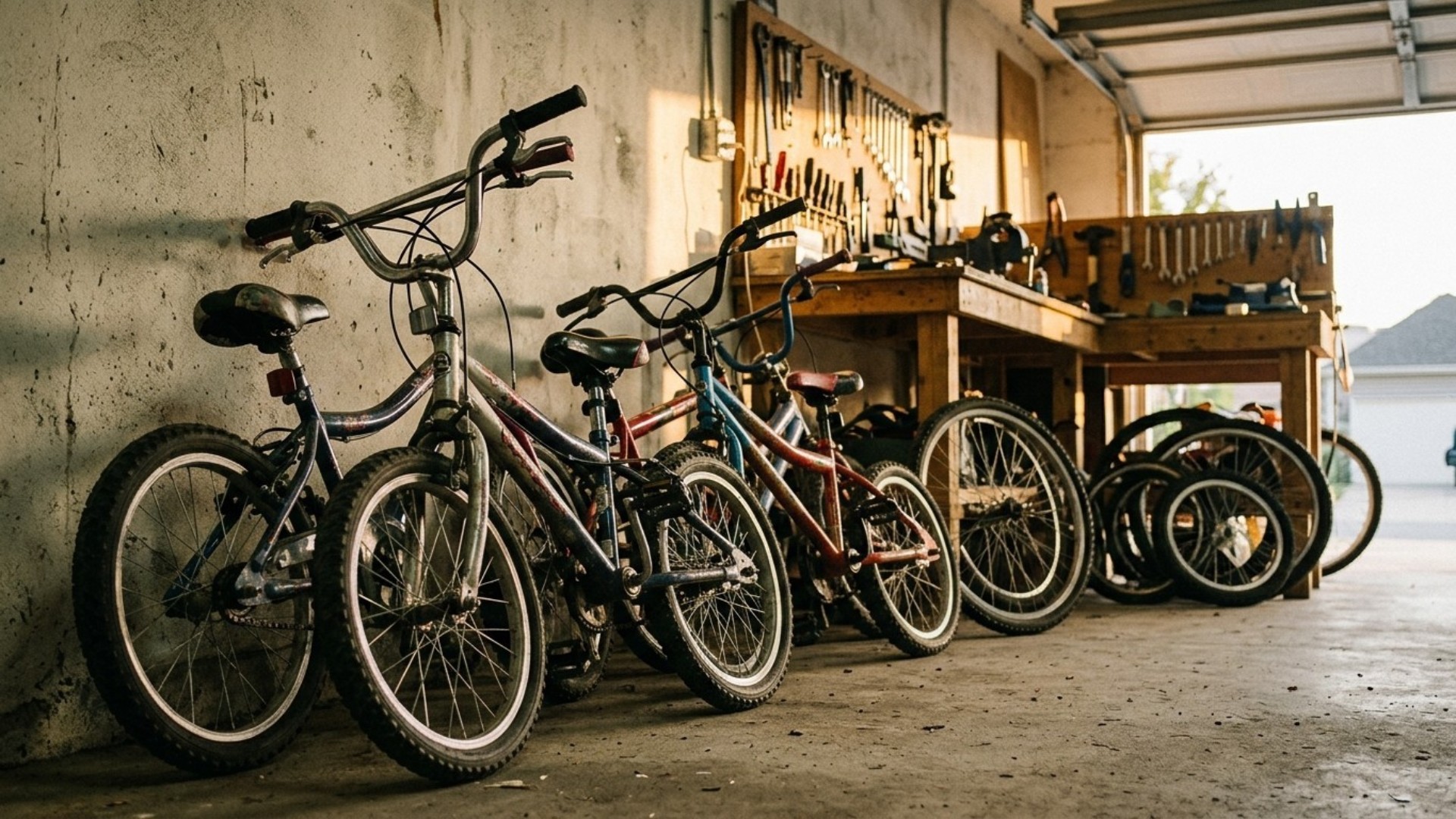
A bike donation program takes in used bikes, sorts them by condition, repairs the rideable ones, strips the rest for parts, and gets the finished bikes to riders, usually kids or people who need transportation. The work is mechanical triage. A nonprofit that wants to run one, or take bikes in as part of a broader program, needs space, a sorting rule, and clear drop-off terms.
What the intake actually looks like
Bikes Not Bombs, a Boston-area bike recycling nonprofit that has operated for over 40 years, says it collects over 5,000 bikes every year and doesn't buy bikes. Another nonprofit, Free Bikes 4 Kidz, which started in Minneapolis in 2008 and says it has given more than 50,000 bikes to children nationwide, ran a Portland collection in 2021 at 17 sites across the metro area before refurbishing the bikes.
Those two show the two common models: a permanent shop where people walk in, and a periodic drive with multiple collection points.
What programs accept, and what they turn away
Bikes Not Bombs publishes its list, which is a good template for writing your own.
Accepts:
- Bikes of all types and sizes, including road, hybrid, mountain, BMX, and tandem.
- Parts and tools of any kind.
- Accessories such as bags, lights, pumps, and locks with keys.
- Some damaged items, like a cracked frame with usable components or worn tires. Turns away:
- Bikes with significant rust.
- Kick scooters, anything with a gasoline motor, and exercise equipment.
- Adult tricycles, Trail-A-Bikes, plastic tricycles, and walkers.
- Used helmets, car racks, and e-bikes. The reasons behind the "no" list are practical. Heavy rust means a bike can't be made safe. A used helmet can't be inspected for hidden damage. E-bikes bring batteries and electrical systems that most volunteer shops aren't set up to service. Those are general shop-safety reasons rather than quotes from the organization, but they're the logic any program needs to settle before it opens the door.
How donated bikes get sorted
Bikes Not Bombs says donated items are routed to programs based on mechanical and material criteria, and that it can't guarantee where a specific bike will end up. In practice, a shop sorts into three piles: bikes that can be made rideable, bikes that are worth more as parts, and metal that gets recycled. A bike that's good for parts feeds the repair of others.
That has two consequences for a nonprofit. First, a donor shouldn't expect their exact bike to reach a specific child, and your donor messaging should say so. Second, parts and tools are valuable gifts, so your accepted-items list should include them.
Drop-off rules that save a shop
The Bikes Not Bombs drop-off rules are a useful model:
- Bring bikes inside during shop hours and fill out a donation form. Don't leave bikes outside the building.
- For more than 10 bikes, schedule an appointment. Fewer than 10 can be dropped off during shop hours.
- A $20 to $40 donation per bike is encouraged to cover recycling, processing, and shipping costs. The form matters because it's your record of who gave what, which you need for acknowledgment. The appointment threshold keeps a bike drive from burying the workbench in one afternoon.
The tax side, briefly
Free Bikes 4 Kidz tells donors they receive a tax acknowledgment receipt and that the donor is responsible for estimating the fair market value of the bike. That matches the general rule: the donor values the gift, and the nonprofit's acknowledgment describes it. Under IRS Publication 561, a donor claiming more than $500 for noncash gifts files Form 8283, and clothing and household items must be in good used condition, so most single bike donations stay well under the paperwork thresholds.
What a nonprofit needs before taking bikes
- Space. Bikes are bulky. Decide how many you can store before you accept the next one.
- A written accept and refuse list. Copy the model above and adjust to your skills.
- A sorting rule. Who decides rideable, parts, or scrap, and by what checklist?
- A recipient plan. Know where finished bikes go before you collect, whether youth referrals, a partner agency, or a sale to fund the shop.
- A donation form and acknowledgment template.
FAQ
Do bike programs take e-bikes? Some don't. Bikes Not Bombs lists e-bikes, used helmets, and gas-motor vehicles among the items it refuses. Check each program's list.
Can a donor choose who gets their bike? Usually not. Programs route bikes by mechanical condition, and Bikes Not Bombs says it can't guarantee where a specific bike ends up.
Is a donated bike tax deductible? For donors who itemize, a bike given to a qualified 501(c)(3) can be deductible at fair market value. The donor determines the value, and you provide an acknowledgment.
What if we don't have a workshop? You can still serve as a collection point or run a drive and pass bikes to a program that does the repair work.
Where Givelink fits
Bikes arrive unevenly, but the accessories and parts a shop runs short on are predictable: tubes, tires, chains, locks, and lights. A nonprofit can post those specific items as needs on a public wishlist so donors fund what the shop is short on. See how Givelink works for nonprofits or browse the live directory.
See also





What is Givelink?
Learn from the founders:
Run a nonprofit? Get what you need.
Set your nonprofit up yourself in about 15 minutes. It's free, there's no contract, and you don't need to talk to anyone first.