
blog
What Happens When a Nonprofit Outgrows Givelink?
The honest account of what scaling organizations need beyond the platform — and how Givelink fits into a maturing nonprofit's full fundraising stack.
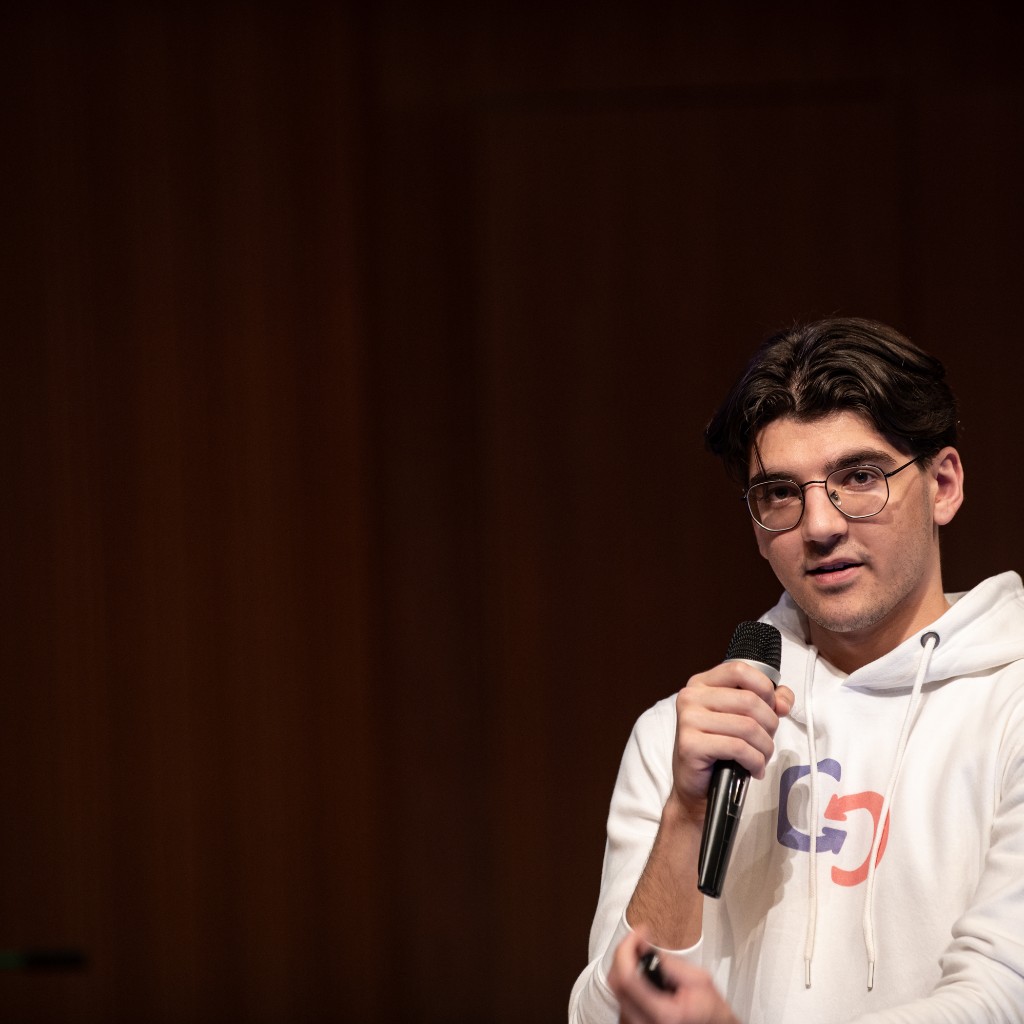
Antonis Politis |

What Happens When a Nonprofit Outgrows Givelink?
The honest account of what scaling organizations need beyond the platform — and how Givelink fits into a maturing nonprofit's full fundraising stack.
"Outgrowing" Givelink isn't actually the right frame. Givelink isn't a starter platform that organizations graduate from — it's a specific channel that serves a specific function. The question for a growing nonprofit isn't whether to leave Givelink but how Givelink fits into an increasingly complex fundraising stack. Here's the honest account of what that looks like at different organizational scales.
What Givelink does regardless of organizational size
The product-based giving channel serves the same function at every organizational scale:
- Funds recurring operational supply needs with specific, photographable items
- Builds and retains an individual donor base through proof-based giving
- Produces impact documentation as a byproduct
- Provides a zero-fee supplementary revenue channel
These functions don't become less valuable as organizations grow. A $5 million nonprofit with a functioning development department and a major gift program still benefits from 200 recurring individual donors giving from wishlists and receiving delivery photos. The channel doesn't become obsolete — it becomes one component of a larger stack.
What organizations need that Givelink doesn't provide
As nonprofits scale, they typically need capabilities outside Givelink's scope:
Major gift cultivation and stewardship: Givelink's major donor integration (Blog 144) describes how delivery photos serve as cultivation tools. But major gift management — prospect research, relationship management, proposal writing, gift stewardship — requires dedicated CRM infrastructure and development staff beyond anything a giving platform provides.
Grant management: Grant writing, tracking, compliance reporting, and funder relationship management requires grant management software (Submittable, Fluxx, GrantHub) and development staff. Givelink doesn't touch this.
Event fundraising: Galas, runs, virtual events, and peer fundraising campaigns require event management software (Eventbrite, Greater Giving), campaign pages, and promotion infrastructure. Givelink's P2P integration (Blog 113) connects individual givers to nonprofit wishlists — it doesn't replace event management.
Planned giving and estate gifts: Major endowment-building through bequests and estate gifts requires specialized legal documentation, donor relationships at a depth that platforms don't provide, and often a planned giving officer.
Government contract management: Federal and state contract compliance, billing, and reporting require program-specific financial management infrastructure that no giving platform addresses.
The full fundraising stack for a mid-sized nonprofit (2027)
A mid-sized California nonprofit ($2–5M annual revenue) with a functioning development department typically operates:
- Salesforce NPSP or Bloomerang: Donor CRM managing all relationships, giving history, major gift tracking
- Givelink: Product-based individual giving channel with wishlist, delivery photos, and zero-fee recurring donor acquisition
- Stripe or PayPal Giving Fund: Cash donation processing for the organization's website donation form
- Mailchimp or Constant Contact: Donor communications, newsletters, stewardship campaigns
- Submittable or GrantHub: Grant management and tracking
- Eventbrite: Event registration and ticketing
- Planned giving: Often no dedicated software at this scale — managed through CRM notes and legal counsel
In this stack, Givelink occupies a specific lane: individual recurring product-based giving, with the photo proof that drives the retention metrics. It's not the whole stack. It's the lane that produces the most retention per dollar of staff investment.
What Givelink's CRM integration means for growing organizations
The Zapier integration (currently beta) and the planned native Salesforce NPSP integration (roadmap: 2028) are specifically designed to make Givelink's data visible in the full donor CRM context — so that a major gift prospect who is also a recurring Givelink donor shows their complete relationship history in a single Salesforce record.
This integration is what makes Givelink genuinely useful in a mature fundraising operation rather than a siloed supplementary tool. The data needs to flow.
When the platform recommendation changes
There's one scenario where Givelink might recommend an organization consider different channels: when organizational supply needs evolve to a scale and specialization that the general consumer product supplier network can't serve.
For example: a hospital-affiliated nonprofit that needs highly specialized medical equipment, bulk clinical supplies, or items requiring complex regulatory compliance may be better served by direct relationships with medical equipment distributors than by a general transparent giving platform. The wishlist model works best when the items are available in the verified consumer goods catalog; highly specialized or regulated goods may not be.
This is rare — most nonprofit operational supply needs fall squarely in the catalog's coverage. But it's an honest edge case.
The honest answer to "should we keep using Givelink as we grow?"
Yes — with a clear understanding of what lane the platform occupies. Givelink handles individual recurring product giving and the retention infrastructure around it. Everything else in a maturing fundraising stack — major gifts, grants, events, planned giving, government contracts — is handled by other tools and other relationships.
The organizations that get the most from Givelink as they scale are the ones that integrate it clearly into the full stack: data flowing to the CRM, delivery photos used in major donor cultivation, recurring donor base cited in grant applications, impact documentation embedded in annual reports.
Givelink as one well-integrated component of a mature fundraising operation is far more valuable than Givelink as an isolated tool that doesn't connect to anything else.
Frequently Asked Questions
Should a large nonprofit use Givelink?
Yes — if they have meaningful operational supply needs. The product-based giving channel, delivery photos, and recurring individual donor retention benefits are valuable at any organizational scale.
Does Givelink replace a development department or major gift program?
No. Givelink is a specific channel for product-based individual giving. Major gifts, grants, events, planned giving, and government contract management require capabilities outside the platform's scope.
How does Givelink fit in a Salesforce NPSP environment?
Currently through CSV export or Zapier (beta). The native Salesforce NPSP integration is planned for 2028 — providing real-time data sync from Givelink giving events to NPSP Opportunity and Contact records.
What's the most common mistake growing organizations make with Givelink?
Siloing it — running Givelink as a separate tool without connecting it to the CRM, without using delivery photos in major donor cultivation, and without citing the donor retention data in grant applications. Integration is what makes the platform compounding rather than additive.
Stay Human.
Antonis Politis is CEO and Co-Founder of Givelink.
See also
What is Givelink?
Learn from the founders:
Support a nonprofit
Buy their needs