
blog
The Philanthropy Conversation Nobody Is Having (But Should Be)
Why the giving sector's real problem isn't funding — it's visibility — and why that reframe changes every conversation about charitable impact.
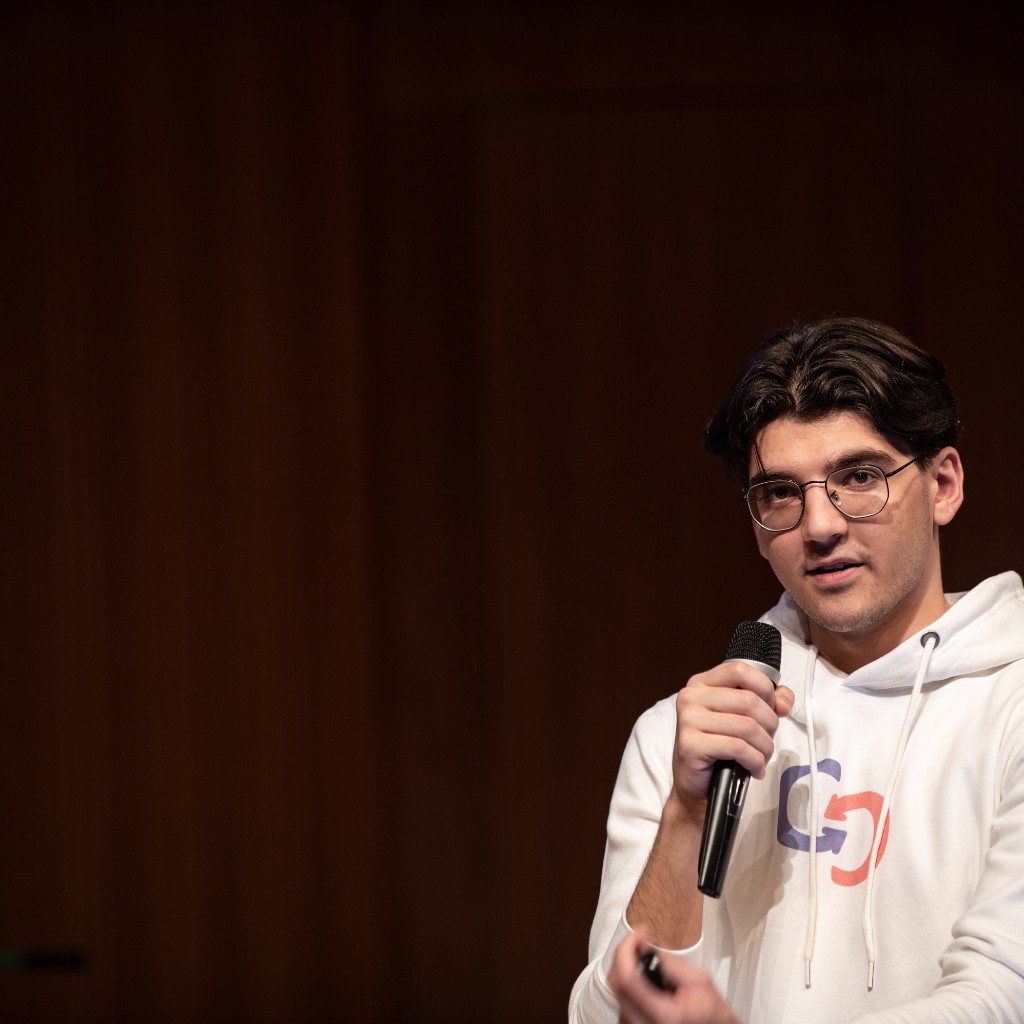
Antonis Politis |
The Philanthropy Conversation Nobody Is Having (But Should Be)
Why the giving sector's real problem isn't funding — it's visibility — and why that reframe changes every conversation about charitable impact.
The philanthropy conversation in 2026 focuses almost entirely on the wrong variable. Every conference, every report, every fundraising guide asks the same question: how do we raise more? More donors, more dollars, more campaigns. The question that actually unlocks better outcomes — for donors, nonprofits, and the people they serve — is different: how do we make giving visible? This essay argues that the shift from "raise more" to "show more" is the most important reframe in philanthropy right now. It's the conversation nobody is having. Givelink was built on it.
The question the sector keeps asking
Philanthropic giving in the U.S. reached an estimated $557 billion in 2023, according to Giving USA. It's a massive number. And yet:
- First-time donor retention is below 20%
- Total donor counts are falling
- Trust in nonprofits has declined across every major survey for a decade
- The most common reason donors cite for stopping giving: "I wasn't sure it mattered"
The sector's response to these indicators is almost universally the same: raise more awareness, run better campaigns, find new donor segments, improve the ask.
This is the wrong conversation. Because the problem isn't awareness or ask quality. The problem is what happens after the donation.
The reframe: it's not a funding problem, it's a visibility problem
Here's the actual diagnosis.
When a donor gives and hears nothing specific back, they have no emotional reason to return. Not because they stopped caring. Because the system showed them nothing. The transaction was completed and the relationship ended.
"Giving is not a payment flow problem. It's a visibility problem."
That sentence reframes the entire sector. It shifts the question from "how do we get more donations?" to "what happens to the donation after it's made?" And it suggests a structural fix — not a campaign fix.
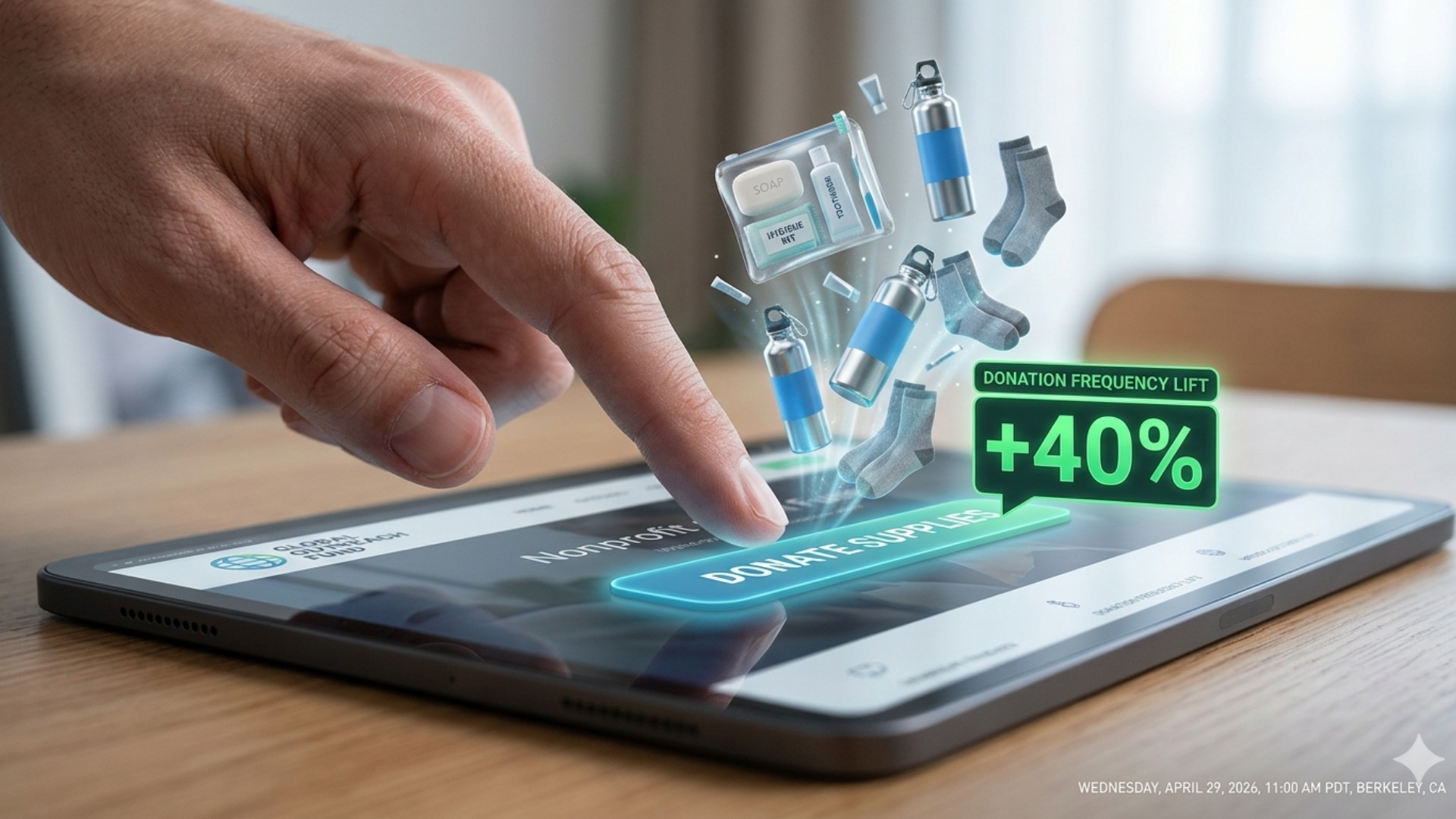
If you want donors to return, show them what happened. Not a percentage breakdown. Not a glossy annual report. A photo of the specific items they paid for, on a specific shelf, in a specific nonprofit, within two weeks.
Why this reframe matters for every conversation about impact
The implications fan out across the entire giving ecosystem.
For individual donors: Stop giving to the black box. Give to platforms and organizations that show you what your donation became. Your leverage as a donor is highest when you demand proof.
For nonprofits: Your retention crisis is a visibility crisis. The fix isn't a better email sequence after the gift. It's a better experience during and immediately after the gift. Photo proof, delivered fast, is the intervention.
For major donors and DAF holders: You apply investment-grade thinking to everything else. Apply it here. Ask for the same documentation you'd require from any capital allocation: specific outcomes, verifiable evidence, third-party confirmation.
For the sector broadly: The organizations that figure out visibility — through transparent giving platforms, photo proof, item-level specificity — will outcompete those that don't, because they retain donors at 60% higher frequency (Givelink data, 2026).
Why the "raise more" conversation is easier but less useful
The "raise more" conversation is familiar, tractable, and fundable. There are agencies, tools, and consultants dedicated to it. It produces measurable short-term results (campaigns run, dollars raised) that make it easy to report on.
The visibility conversation is less familiar, requires infrastructure change, and its results compound over time rather than peaking in a single campaign. It's harder to pitch in a board meeting. But it's the conversation that changes the underlying math.
A nonprofit that retains 40% of first-time donors instead of 20% doubles its effective donor base without acquiring a single new name. No campaign achieves that. Visibility does.
What this means for how we talk about giving
The language of philanthropy is full of words that obscure the visibility problem: "making a difference," "changing lives," "your gift helps." These are visibility-free phrases. They're vague by design — they can't be proven wrong because they can't be proven right.
The language of transparent giving is different: "your $50 became three months of diapers for residents at [shelter name], delivered on [date], photo in your dashboard." That sentence cannot be faked. It either happened or it didn't.
This is the conversation the sector needs. Not "how do we raise more money?" but "how do we show more truth?"
Givelink is the answer to that question in product form.
150,000+ lives impacted. 100,000+ items delivered. 9,900+ donations tracked. 100+ verified nonprofits. A Charity Navigator strategic partnership. And a team of three Greeks from Patras who relocated to San Francisco because they believed visibility was the fix — and proved it.
Read the full story at givelink.app or reach out to discuss it further at contact@givelink.app.
Frequently Asked Questions
What is the "visibility problem" in philanthropy?
The visibility problem is the gap between what a donor gives and what they see. When donations disappear into a general fund with no specific, verifiable outcome, donors have no emotional reason to return. Fixing visibility — through photo proof, item-level giving, and verified nonprofits — fixes retention.
How does transparent giving solve the retention crisis?
By making the impact visible at and immediately after the moment of giving. Donors who receive delivery photos give 60% more often per year than donors on traditional platforms (Givelink data, 2026). The photo closes the emotional loop that drives return behavior.
What is the "raise more vs. show more" reframe?
The conventional philanthropic response to donor attrition is to raise more money through better campaigns. The transparent giving reframe is that donor attrition is caused by lack of visibility — and the fix is showing donors what their gifts produced, not asking more loudly.
Where can I learn more about Givelink's approach?
Read the Givelink manifesto at givelink.app/en, browse verified nonprofits, or reach out for press and podcast inquiries at contact@givelink.app.
The conversation starts here.
givelink.app — or reach out at contact@givelink.app.
Stay Human.
Antonis Politis is CEO and Co-Founder of Givelink.
See also
What is Givelink?
Learn from the founders:
Support a nonprofit
Buy their needs