
blog
How Small Nonprofits Can Compete for Donors in 2026
Large charities have marketing budgets. Small nonprofits have something better — a real story and a specific ask. Here's how to use both. locale: EN
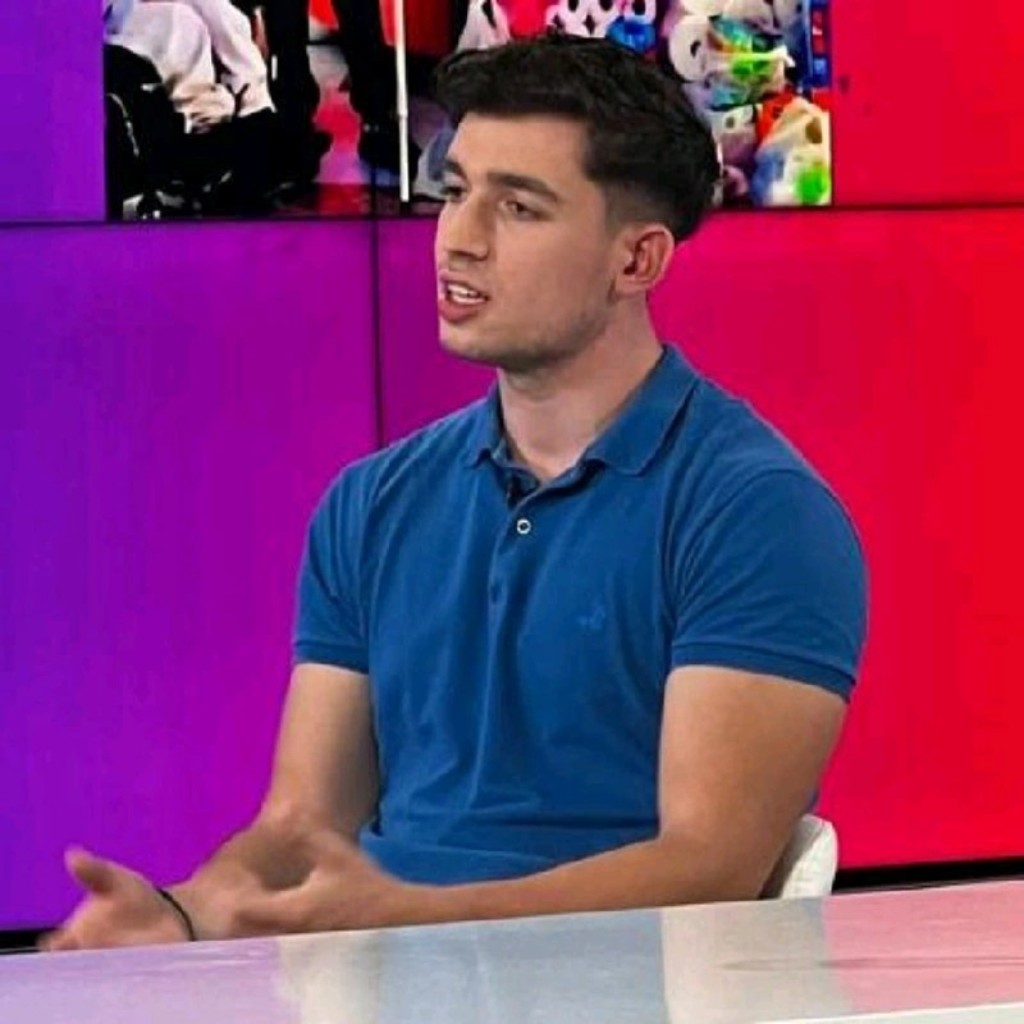
Panos Kokmotos |

How Small Nonprofits Can Compete for Donors in 2026
Large charities have marketing budgets. Small nonprofits have something better — a real story and a specific ask. Here's how to use both.
The largest charities in America spend hundreds of millions of dollars on donor acquisition. They have email teams, media agencies, celebrity partnerships, and Super Bowl ads. A small nonprofit with two staff and a $200,000 annual budget cannot win that game. But there is a different game — one built around specificity, proximity, and proof — where a small organization in East Oakland or West Philadelphia can outperform United Way for the right donor. Givelink, a Transparent Giving Platform that connects donors to verified U.S. 501(c)(3) nonprofits with photo proof of delivery, was designed to level this field. Here is how small nonprofits compete in 2026.
Key Takeaways
- Small nonprofits have a specificity advantage — donors can see exactly where their gift goes, which large organizations structurally cannot offer.
- Free platforms remove the pay-to-play barrier — Givelink costs your organization nothing, ever.
- Photo proof of delivery is the great equalizer — a small shelter's delivery photo is more powerful than a large charity's glossy campaign.
- Charity Navigator verification gives small nonprofits the same credibility signal as large institutions.
- Givelink donors give 60% more often when the loop closes with proof (Givelink data, 2026).
The structural advantage small nonprofits have
Large nonprofits have scale. Small nonprofits have closeness.
A donor giving to a national food bank knows their $50 went somewhere in the program. A donor giving to a neighborhood food pantry through Givelink knows their $50 became 15 cans of soup that went to a specific family on a specific Tuesday — and they have the photo to prove it.
That gap — between "somewhere" and "here, specifically" — is where small nonprofits win. The proximity of a small organization to its mission is a fundraising asset, not a liability. The key is surfacing it in a format donors can see and share.
The five tools small nonprofits underuse
1. A specific, updated wishlist. Generic requests for "donations" compete against everything. A specific wishlist — "Ensure nutritional shakes × 20, for seniors who can't afford them this month" — competes against nothing. No large charity offers this level of specificity per donor.
2. Delivery photos as social content. Every box that arrives at your organization is a content moment. A photo of your staff with received items, posted to Instagram or a donor newsletter, is more powerful than any copywritten appeal. It is proof, not marketing.
3. The In-Kind Donation Button. Givelink nonprofits who embed the button on their existing website see approximately 40% more in-kind donations (Givelink data, 2026). Your current website traffic is an acquisition channel you haven't monetized.
4. Charity Navigator verification. Getting listed on Charity Navigator and linking that rating through Givelink's profile integration gives small nonprofits the same credibility signal major institutions carry. Donors who research before giving — and that is most donors now — respond to this.
5. Direct referral asks. A small nonprofit's greatest asset is the network of people who already know and trust it. A personal ask — "Can you forward our Givelink wishlist to three people who might give?" — outperforms any paid acquisition channel at this scale.
Why free platforms change the math
Traditional fundraising platforms charge nonprofits transaction fees, monthly platform fees, or both. A small nonprofit raising $50,000 a year can lose $3,000–$7,500 to platform costs — money that never reaches the mission.
"Giving is not a payment flow problem. It's a visibility problem."
Givelink charges nonprofits zero. No fees, no contracts, no minimum donation volumes. The platform is funded through an optional donor tip (default 10%, fully removable) and a transitional supplier-side markup. Your organization receives the full value of every item a donor purchases.
For a small nonprofit operating on thin margins, this is the difference between meaningful and marginal.
Building a donor base without a marketing budget
The honest answer: you build a small nonprofit's donor base through proof, not promotion.
Every delivery photo you post is a proof moment. Every donor who sees the photo and shares it is an acquisition channel. Every person who gives once and comes back — because they saw what their first gift became — is a retained donor without a single email nurture campaign.
The Fundraising Effectiveness Project's 2025 report found that donor retention rates are highest in organizations with the highest levels of direct donor-to-impact communication. Small nonprofits that close the loop — through photos, specific delivery confirmations, and personal thank-you notes tied to specific items — retain at rates that dwarf large charity averages.
The discovery advantage on Givelink
Givelink's nonprofit directory is searchable and browsable by cause, location, and urgency. A small nonprofit that would never appear in a Google search for "food bank San Francisco" can appear on Givelink's discover page when a donor filters for food-related causes in their city.
This is passive donor acquisition — donors finding you because they're looking for what you do, not because you outspent someone else on ads.
Why this matters in 2026
The Center for Effective Philanthropy's 2025 survey found that 87% of foundation leaders saw increased demand for services at nonprofits they fund — driven by federal funding uncertainty and rising cost of living. Small nonprofits are absorbing a disproportionate share of that increased demand with flat or shrinking budgets.
The organizations that survive and grow in this environment will be the ones that make their impact visible, keep their acquisition costs near zero, and give donors a reason to return. Transparent giving infrastructure — free to access, proof-based, and built for organizations of any size — is exactly that tool.
Givelink in action
A small veterans' services nonprofit in the Central Valley joined Givelink with four staff and a modest annual budget. Within three months, they'd received 47 wishlist donations from donors they'd never reached before — including two recurring givers who found them through Givelink's discovery page. Their delivery photos are now their most-engaged social content. The platform cost them nothing. Set up your free Givelink profile in five minutes.
Frequently Asked Questions
How do small nonprofits find donors online?
The most effective channels for small nonprofits without marketing budgets are: a verified listing on a discovery platform like Givelink, specific wishlist items that convert search and browse intent, delivery photos shared on social media, and personal referral asks to existing supporters.
Does Givelink work for nonprofits of all sizes?
Yes. Givelink has no minimum donation volume, no setup fee, and no platform charge. Organizations with two staff and organizations with 200 staff use the same platform. The wishlist format scales from a single urgent item to a comprehensive monthly catalog.
How do small nonprofits compete with national charities for donations?
On specificity and proximity. Large charities cannot tell a donor exactly what their $50 became for a specific person this week. Small nonprofits can — and with photo proof of delivery, they can show it. That visibility is the competitive advantage.
What does it cost to join Givelink as a nonprofit?
Nothing. Givelink is free for nonprofits forever — no fees, no contracts, no minimums.
Your wishlist is your most powerful fundraising tool
Create your free Givelink profile today and give donors a reason to find you, give to you, and come back.
Stay Human.
Panos Kokmotos is Co-Founder and COO of Givelink. He has worked with nonprofits across Greece and the U.S. Bay Area and has spent years studying what makes small organizations grow their donor base sustainably.
See also
What is Givelink?
Learn from the founders:
Support a nonprofit
Buy their needs