
SAVE DV Has Served 240,000+ Survivors of Domestic Violence Since 1976
SAVE DV Has Served 240,000+ Survivors of Domestic Violence Since 1976 subtitle: SAVE runs Fremont's only 30-bed emergency DV shelter and a 24-hour hotline. Here's what survivors need from donors — and how giving w
Panos Kokmotos |
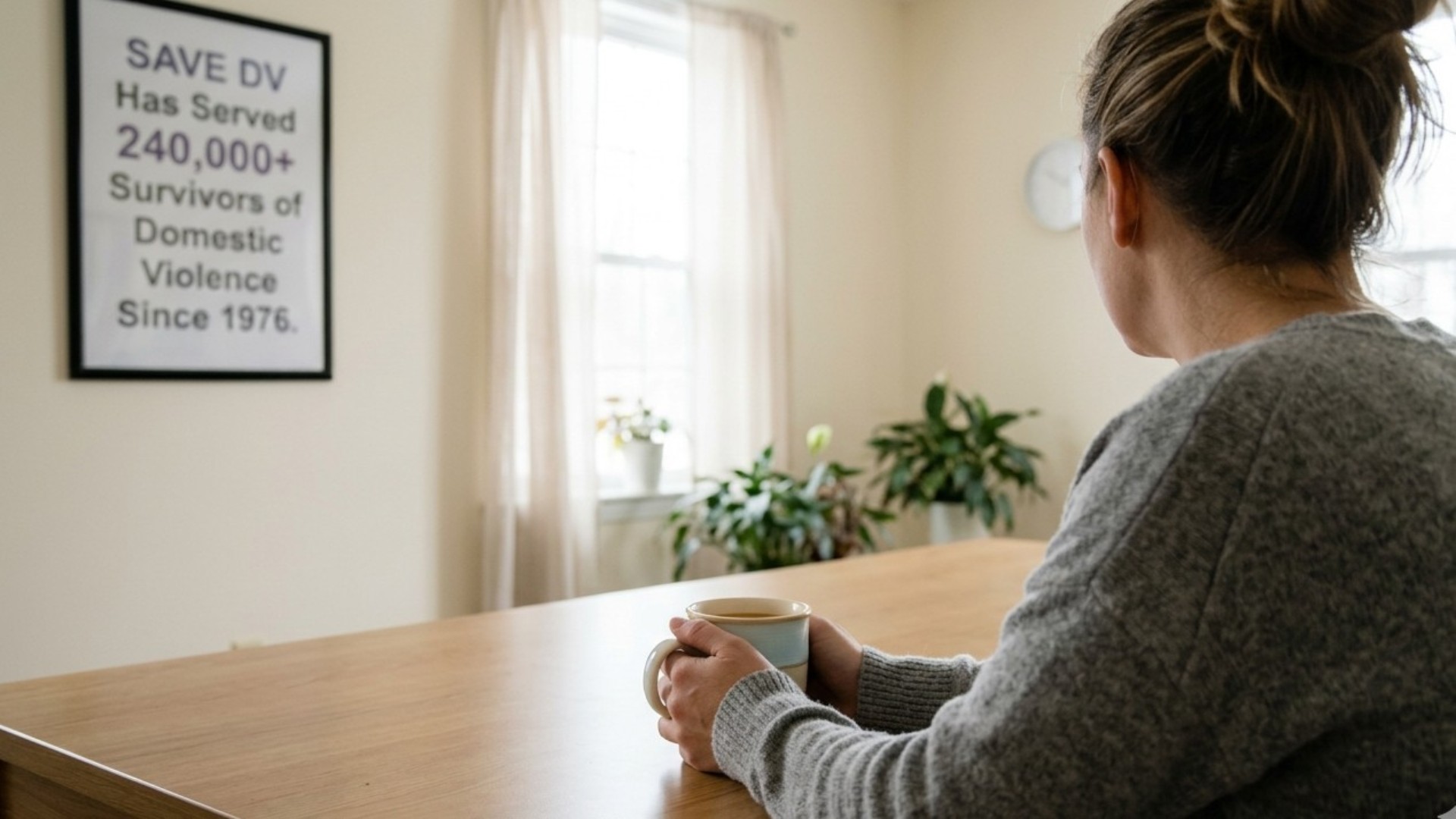
SAVE DV Has Served 240,000+ Survivors of Domestic Violence Since 1976
SAVE runs Fremont's only 30-bed emergency DV shelter and a 24-hour hotline. Here's what survivors need from donors — and how giving with photo proof closes the loop.
Safe Alternatives to Violent Environments has been answering the call since 1976. For nearly 50 years, SAVE has operated the only continuum of domestic violence services in Southern Alameda County — a 24-hour crisis hotline, a 30-bed emergency shelter, individual and group counseling, a children's program, and community education. In that time, they have served more than 240,000 survivors and their families, providing the immediate safety, ongoing support, and practical resources that allow people to leave violence and build something new. Givelink, a Transparent Giving Platform that connects donors to verified U.S. 501(c)(3) nonprofits with photo proof of delivery, partners with SAVE to connect donors who want to give something specific to survivors with the verified goods that arrive, are photographed, and are seen. Here is the full picture.
Key Takeaways
- SAVE has served 240,000+ survivors of domestic violence since 1976 (SAVE data, 2025).
- SAVE's 30-bed emergency shelter is the only one of its kind in Southern Alameda County.
- 24-hour hotline is the gateway to all SAVE services — answered by trained advocates every hour of every day.
- Survivors arrive with almost nothing. Hygiene, clothing, and comfort items restore dignity from the first night.
- Givelink donors give 60% more times per year than traditional platform donors (Givelink data, 2026).
Who SAVE serves — and what the first night looks like
A person who calls SAVE's hotline and arrives at the shelter has usually made one of the hardest decisions of their life. They may have left in the middle of the night. They may have left with their children and nothing else. They arrive at a place they have never been, in a crisis they may have been building toward for months or years.
What they need in the first 24 hours is specific: a safe place to sleep, something clean to wear, something to clean themselves with, something warm to drink. Not a program description. Not paperwork. The basics.
SAVE's staff meet them with all of this — but the supply of hygiene products, clothing, and comfort items requires constant replenishment. The shelter's 30 beds turn over as residents stabilize and transition to longer-term housing. Every new arrival brings the same first-night needs.
"Kindness has become a transaction. The only transaction where the one who pays never sees what they bought."
A donor who gives hygiene kits to SAVE through Givelink sends something to a person on their first night of safety. The photo confirms it arrived. The donor sees the shelf stocked for that person, that night.
What SAVE needs from donors right now
| Program | Items Needed | Who They Reach |
|---|---|---|
| Emergency Shelter | Hygiene kits, feminine products, toothbrushes, razors | 30-bed shelter new arrivals |
| Children's Program | Diapers, wipes, children's clothing, school supplies | Children accompanying DV survivors |
| Shelter Living | New socks, underwear, pajamas, slippers | All shelter residents |
| Comfort & Recovery | Journals, coloring books, comfort items | Residents in early recovery |
| Housing Transition | Kitchen basics, cleaning supplies, bedding | Survivors moving to new housing |
Why this matters in 2026
Alameda County's domestic violence call volume increased for the fourth consecutive year in 2025. SAVE's counselors report consistently higher levels of trauma severity among new clients, driven in part by economic stress, housing instability, and the compounding pressures of post-pandemic recovery. The 30-bed shelter operates at or near capacity year-round. Individual donor support for specific goods fills the gaps that institutional funding can't predict in real time.
Givelink in action with SAVE
A donor in Fremont gave hygiene kits and children's clothing through Givelink to SAVE's shelter. Twelve days later, a photo arrived: the hygiene kits on an intake shelf, children's items sorted by size in the supply room. She gave again the following month. "Every time I see the photo, I know exactly who it reached," she said. Browse SAVE's wishlist on Givelink.
Frequently Asked Questions
What does SAVE DV need most from donors?
Their most consistent needs are hygiene kits and personal care products for shelter arrivals, children's diapers and clothing, new socks and underwear for all residents, and comfort items for residents in early recovery.
Does SAVE accept in-kind donations?
Yes. SAVE actively seeks specific in-kind goods through Givelink, where donors give from a live wishlist and SAVE confirms delivery with a photo. This eliminates the sorting burden of unasked-for goods while meeting real, current needs.
Is SAVE a legitimate nonprofit?
Yes. SAVE (EIN: 94-2520559) is a verified 501(c)(3) organization operating since 1976 in Southern Alameda County — the only continuum-of-care DV organization in the region. Their Givelink profile displays Charity Navigator evaluation data.
Give a survivor something for their first night of safety
Browse SAVE's wishlist on Givelink and give something that arrives on a shelf before someone needs it.
Stay Human.
Panos Kokmotos is Co-Founder and COO of Givelink.
See also
What is Givelink?
Learn from the founders:
Support a nonprofit
Buy their needs