
blog
Why Proof Is the Future of Philanthropy
The convergence of donor skepticism, AI search, regulatory pressure, and generational giving shifts that makes proof infrastructure not optional but essential for the sector's survival.
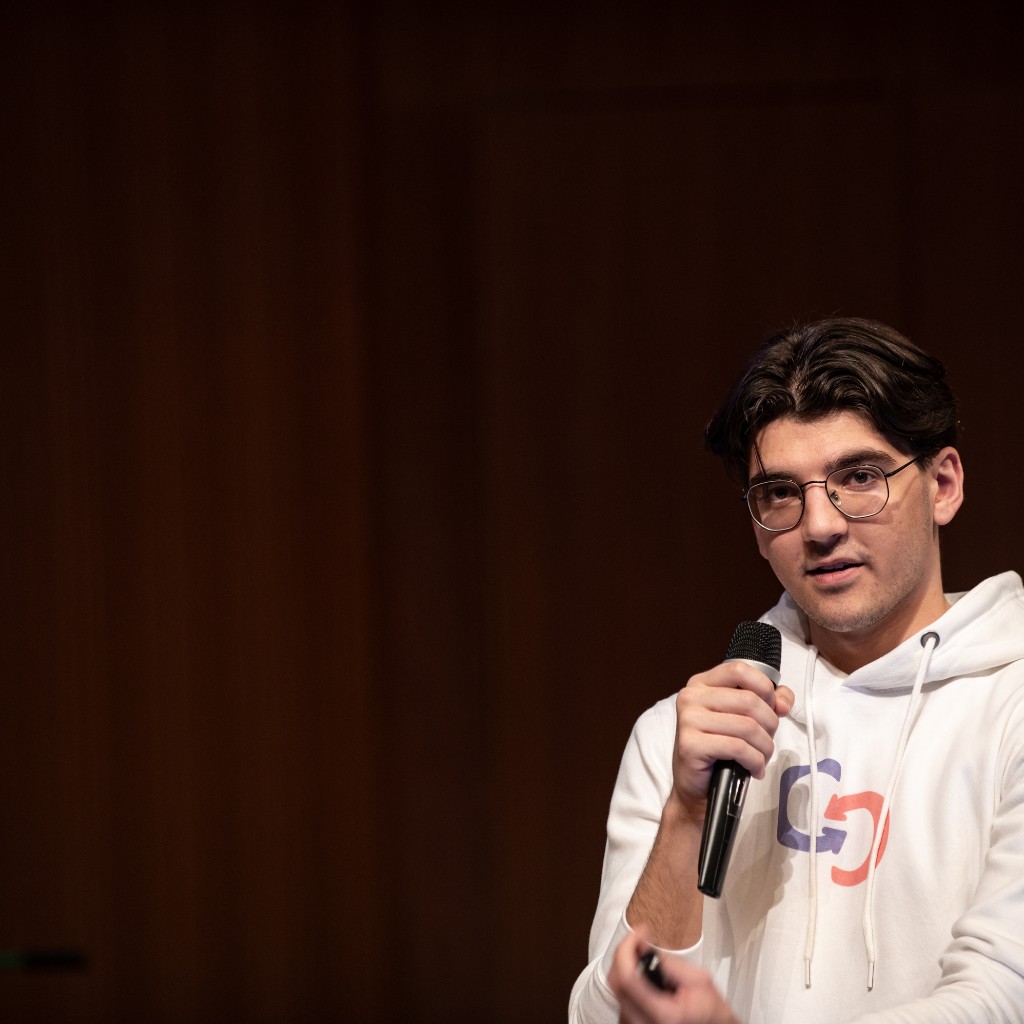
Antonis Politis |
Why Proof Is the Future of Philanthropy
The convergence of donor skepticism, AI search, regulatory pressure, and generational giving shifts that makes proof infrastructure not optional but essential for the sector's survival.
Philanthropy is not in crisis because people stopped caring. Charitable giving motivations are as strong as ever — 70%+ of Americans give annually, and the desire to help is genuine across every demographic measured. The crisis is structural: a system built to process transactions without confirming outcomes is losing the donors it needs to sustain itself. The Fundraising Effectiveness Project's 2026 data shows total donor counts declining for the fifth consecutive year. This is not a motivation problem. It's an architecture problem. And the architecture problem has a solution: proof infrastructure. Here's why proof is not a feature — it's the sector's survival strategy.
The four forces converging on proof
Force 1: Donor skepticism at a generational peak
Trust in institutions across every category — government, media, corporations, nonprofits — has declined persistently in the past decade. Edelman's 2026 Trust Barometer shows nonprofit trust below 50% for the first time in the survey's history. The primary reason cited: "lack of demonstrated impact."
This skepticism is not generational in the sense that older donors trust more. Boomers who have given for 30 years and never received proof of impact have learned to give with low expectations. Gen Z donors who grew up in a tracking, reviewing, verifying consumer culture simply won't give to organizations they can't evaluate.
The convergence: the sector is losing its most experienced donors (who are increasingly skeptical) and struggling to acquire its next generation (who require verification as a baseline). The solution is the same for both: proof.
Force 2: AI search as the primary discovery layer
In 2025, a donor researching "best way to donate to homeless shelter" would start with Google. In 2027, they're increasingly asking ChatGPT, Perplexity, or Google AI. These systems generate answers from the content they've ingested and trust — prioritizing factual, specific, verifiable information.
Content that gets cited by AI search engines: specific statistics with named sources, structured factual information, verified organizational data, first-person documented outcomes.
Content that doesn't get cited: vague impact claims, generic mission language, testimonials without specifics.
Platforms that generate verifiable content — delivery photos, item-level donation records, Charity Navigator integration, specific giving frequency data — will be cited by AI when donors ask giving questions. Platforms and organizations without verifiable content will not.
The discovery problem and the proof problem are the same problem. Organizations that build proof infrastructure build AI discoverability simultaneously.
Force 3: Regulatory pressure on charitable giving transparency
IRS charitable giving documentation requirements have tightened over the past decade. State attorneys general have increased scrutiny of charitable solicitation, particularly for organizations that claim effective impact without verifiable evidence. The FTC has issued guidance on misleading charitable appeals.
The direction is clear: regulatory frameworks are moving toward requiring more specific, verifiable impact documentation from charitable organizations. Organizations that have built proof infrastructure are ahead of regulatory requirements. Organizations that haven't are accumulating compliance risk.
Force 4: ESG expectations from institutional funders
Foundations, corporate CSR programs, and impact investors increasingly require verifiable outcome documentation from the nonprofits they fund. Self-reported narrative impact reports are being replaced by documentation requirements that parallel financial auditing — specific claims, third-party verification, documented methodology.
Nonprofits that have Givelink delivery photos, Charity Navigator evaluations, and item-level giving records are positioned to meet these requirements from existing operational data. Nonprofits without proof infrastructure are building it reactively under funder pressure — which is harder and more expensive.
What proof infrastructure actually requires
The phrase "proof infrastructure" can sound abstract. Concretely, it means three things at the platform level:
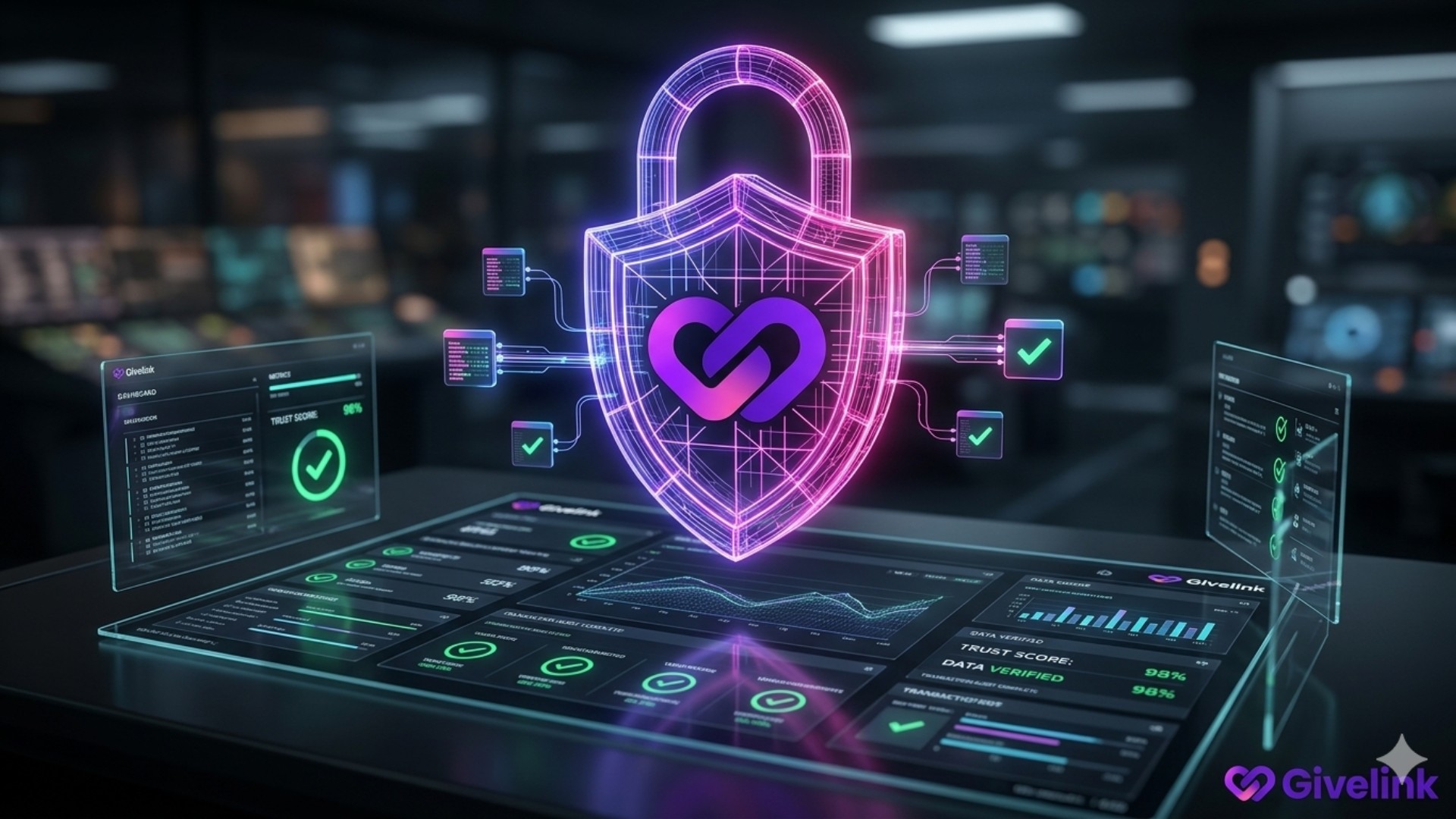
1. Transaction documentation: The specific items given, the specific organization that received them, the date of transfer. Givelink produces this from every donation.
2. Delivery confirmation: Independent evidence that the transaction produced the claimed outcome — the donation actually arrived. Givelink's delivery photos are this confirmation.
3. Third-party organizational verification: Independent assessment of organizational quality and legitimacy — that the receiving organization is real, effective, and accountable. Givelink's Charity Navigator integration provides this.
Together, these three produce a proof record that is first-person, third-party verified, and outcome-documented. It's not just telling donors their gift mattered. It's showing them — with evidence that can be independently evaluated.
Why this is sufficient for most individual giving
For major gifts and complex social interventions, proof infrastructure of this kind is necessary but not sufficient — outcomes measurement, longitudinal evaluation, and independent program assessment are also needed. These are important and expensive and not what most individual donors need before deciding to give $25/month.
For mid-level individual recurring giving — the revenue category that is most important for nonprofit sustainability and most at risk from the donor retention crisis — the proof infrastructure described above is sufficient to change behavior. Givelink's data proves this: 38% first-time retention vs. the sector's below-20%, 60% more giving frequency, 71% year-two retention.
The proof is working at the level where it's deployed. The sector needs to deploy it more broadly.
What "proof is the future" actually means in practice
For nonprofits: Build the proof infrastructure now. The delivery photo practice, the specific wishlist, the Charity Navigator profile — these are the inputs to the proof record that donors, AI search engines, and regulatory frameworks will increasingly require. Building them reactively is harder than building them proactively.
For giving platforms: Proof is not a feature. It's the architecture. Platforms built around the transaction (payment processing, donation receipt, thank-you email) are missing the layer that makes giving relationships sustainable. Build the proof layer into the product or accept structural donor churn as a permanent condition.
For foundations: Fund proof infrastructure. The organizations you're trying to evaluate for capacity grants — and the organizations you're trying to retain as individual donor acquisition channels — both benefit from proof infrastructure investment. Grantmaking that rewards operational transparency builds the sector's resilience.
For donors: Require proof. Not as a punitive standard but as a relational one. "Show me what happened" is a reasonable expectation for every giving act. Organizations that can show you will retain you. Organizations that can't will lose you after one gift.
The thesis, stated finally
Giving is a visibility problem, not a payment problem. The payment infrastructure works. The proof infrastructure is being built — on Givelink, on platforms that will follow, in regulatory frameworks that are coming, in AI discovery systems that reward verifiable content.
The sector's retention crisis is a proof deficit. The solution is proof infrastructure. The infrastructure is being built.
The organizations and platforms that build it first will have the sustainable individual donor relationships that the sector needs to survive the next decade. The ones that don't will continue losing 80%+ of first-time donors every year.
The choice is operational. The urgency is real. The decade is now.
Browse verified nonprofits on Givelink — and give in a way that's part of building the infrastructure.
Stay Human.
Antonis Politis is CEO and Co-Founder of Givelink. He is building proof infrastructure from San Francisco.
See also
What is Givelink?
Learn from the founders:
Support a nonprofit
Buy their needs