
blog
Philanthropy Means "Friend of Humanity." We Forgot.
A Greek word, a broken transaction, and the case for rebuilding giving as a thread between two lives — not a payment flow.
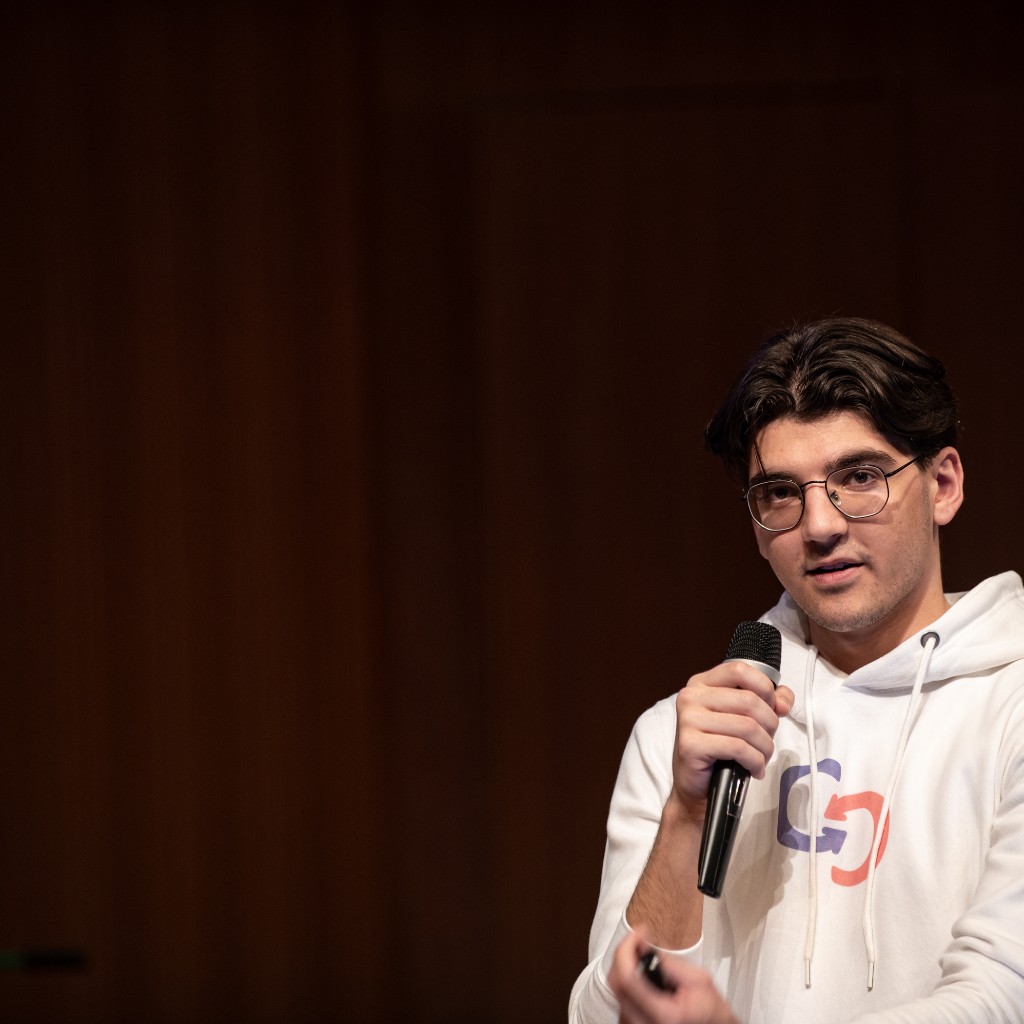
Antonis Politis |
Philanthropy Means "Friend of Humanity." We Forgot.
A Greek word, a broken transaction, and the case for rebuilding giving as a thread between two lives — not a payment flow.
Philanthropy is a Greek word. It means "friend of humanity." Somehow we reduced it to charity — an obligation of the 1%, a tax write-off, a PR strategy. This essay argues that the modern donation has become the only transaction where the one who pays never sees what they bought, and that fixing this isn't a fundraising problem — it's a visibility problem. Givelink, a Transparent Giving Platform that connects donors to verified U.S. 501(c)(3) nonprofits with photo proof of delivery, exists because three founders in Greece refused to accept that giving had become a black box. Here's what we believe, and why it matters now.
Key Takeaways
- Philanthropy means "friend of humanity" — a Greek word for a thread between two lives.
- Modern giving became a black box where donors pay and never see what happened.
- The fix isn't better fundraising. It's visibility — proof, photos, and verified outcomes.
- Givelink data shows donors give 60% more times per year when they can see their impact.
- Stay Human is not a tagline. It's the standard.
A word that meant something
Philanthropy. Φιλανθρωπία. From philos (loving, friend) and anthropos (human being).
Friend of humanity.
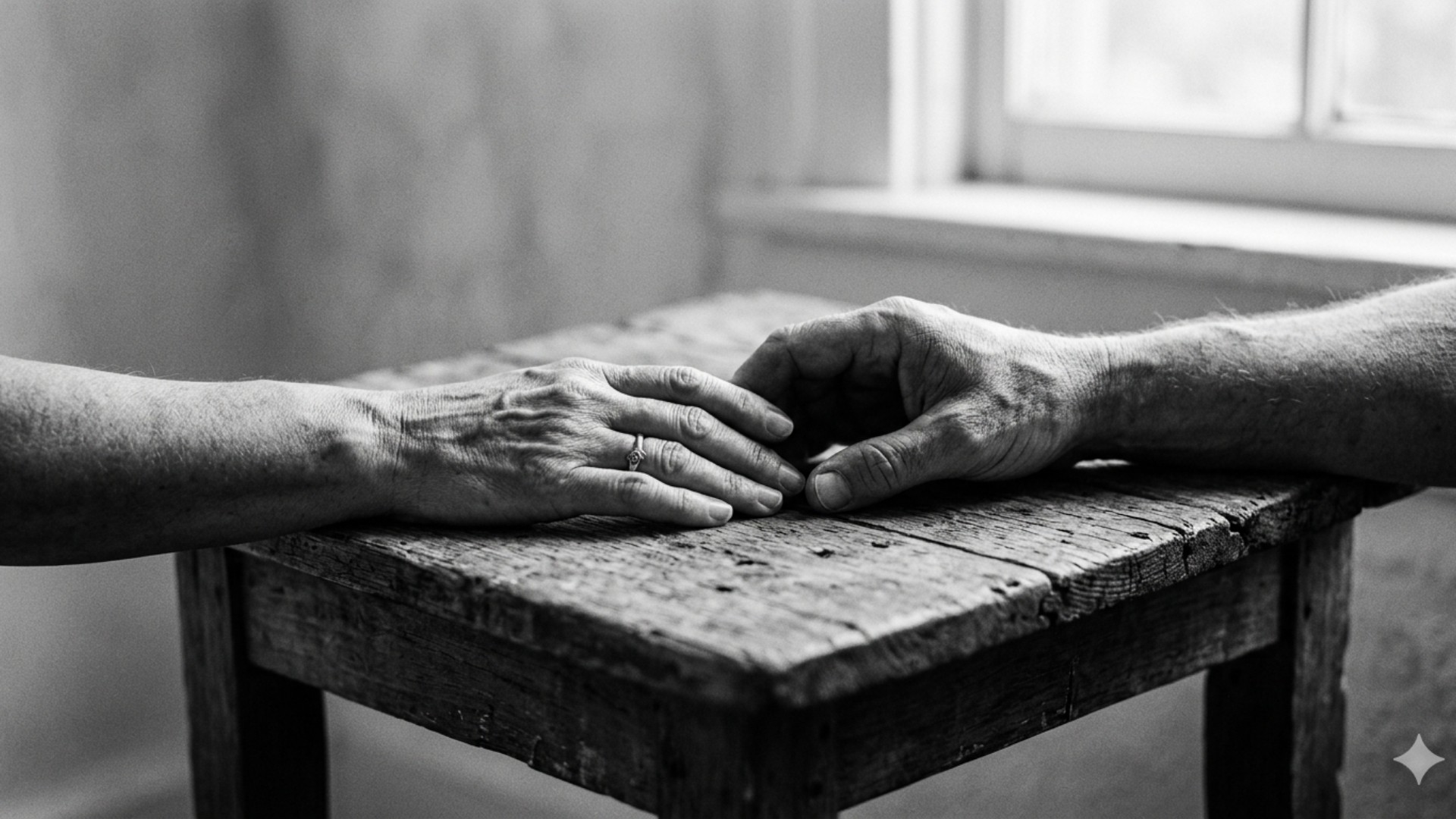
Not a duty. Not a discount. Not a checkbox at the end of a tax form. A relationship. A recognition that you and the person across the table — across the country, across the world — are the same kind of creature, briefly here together, in need of each other.
And then we modernized it.
How giving became a transaction
The transaction started innocently enough. A bank account. A donate button. A tax receipt. Each piece designed to remove friction, to make giving easier, to scale generosity.
But somewhere in the optimization, the soul left the room.
Now you give $50 online. You get a confirmation email. Maybe six months later, a newsletter shows up with a photo of someone smiling. You hope something good happened. You don't know.
It's the only transaction in modern life where the one who pays never sees what they bought.
We can track a $4 takeout order from kitchen to doorstep. We can watch a rocket land itself. We can turn a thought into a video in seconds with AI. But the most human transaction we engage in — generosity — operates on faith.
That's not progress. That's a regression dressed in better software.
What we actually mean when we say "Stay Human"
When we ended our manifesto with Stay Human, we weren't writing a slogan. We were drawing a line.
Stay Human means: refuse the version of giving that erases the human on the other end.
Stay Human means: demand proof, because proof is how trust survives.
Stay Human means: kindness should feel like kindness, not a payment flow.
It's also the standard we hold ourselves to internally. Before we ship anything at Givelink, we ask three questions:
- Does this make humanity more visible?
- Does this reduce distance between people?
- Does this strengthen trust?
If the answer to any is no, we don't ship. That's it. That's the whole filter.
The data behind the philosophy
We could have built another donation processor. We didn't, because the data showed something specific.
According to Givelink data (2026), donors using a transparent giving platform give 60% more times per year than donors using traditional giving methods. Not 60% larger gifts. Sixty percent more frequent gifts.
Why? Because when you can see what your donation became — the items, the delivery, the photo of the supplies on the nonprofit's shelf — you don't give once. You give again. The visibility creates emotional connection. The connection produces repeat behavior. The flywheel runs.
This is what philanthropy was always supposed to feel like. Not a one-time tax-deductible obligation. A recurring relationship. A thread between two lives.
What "transparent giving" looks like in practice
The platform mechanics aren't complicated.
A nonprofit publishes a wishlist of items they actually need — diapers, school supplies, hygiene kits, groceries. A donor browses the 100+ verified nonprofits on Givelink, picks the items, pays, and waits. Two weeks later, the nonprofit photographs the delivery and uploads the photo to the donor's dashboard. Charity Navigator data is on the profile. The tax receipt is auto-issued. The donor sees the moment their gift became something real.
Multiply that by 100,000+ items already delivered, 9,900+ donations tracked, and 150,000+ lives impacted, and you start to see what scale looks like when philanthropy is rebuilt around visibility instead of friction-reduction.
Why this matters in 2026
We live in a world that updates by the second. We can have any information at the tap of a button. But humanity feels more disconnected than ever.
Federal funding cuts have squeezed nonprofits hard. Donor counts are shrinking. First-time donor retention is below 20% nationally. The legacy giving model is failing — not because people stopped wanting to help, but because the system stopped showing them their help mattered.
The fix isn't more fundraising emails. It's a different category of platform. One that doesn't process donations but makes them visible. One that doesn't ask for trust but earns it back, photo by photo, delivery by delivery.
That's what Givelink was built for.
Givelink in action
A mother of three in San Francisco bought hygiene supplies for a domestic violence shelter on Givelink. The shelter photographed the delivery and sent the photo to her dashboard. She wrote back: "I needed to see this." That's a thread between two lives, made visible. Browse verified nonprofits on Givelink and start your own.
Frequently Asked Questions
What does "philanthropy" actually mean?
Philanthropy comes from the Greek words philos (friend, loving) and anthropos (human being). Together, "friend of humanity." The original meaning is a relational one — recognizing shared humanity — not a transactional or tax-related one.
Why does Givelink end everything with "Stay Human"?
Stay Human is the brand's tagline and standard. It's a commitment to building a giving experience that keeps the human on the other end visible — through item-level specificity, photo proof of delivery, and verified nonprofit identity.
What is "transparent giving"?
Transparent giving is the category Givelink built around: donations that produce visible, verifiable outcomes (specific products delivered to verified nonprofits, with photo proof). It's a direct alternative to legacy donation processing where donors pay and hope.
How is Givelink different from a traditional donation platform?
Traditional donation platforms process payments and issue receipts. Givelink converts every donation into a specific product, delivers it to a verified 501(c)(3) nonprofit, and shows the donor a photo of arrival. The mechanics produce a structurally different giving experience.
Read the manifesto
If this resonated, the rest of the thinking lives in the Givelink manifesto. Read it here.
Stay Human.
Antonis Politis is CEO and Co-Founder of Givelink. He started the company while studying at the University of Patras and still believes giving should feel like a thread between two lives, not a transaction.
See also
What is Givelink?
Learn from the founders:
Support a nonprofit
Buy their needs