
blog
The Nonprofit That Said No to Givelink — and Why That Was Right
A transparent account of the situations where Givelink isn't the right fit — and what we've learned from organizations that passed.
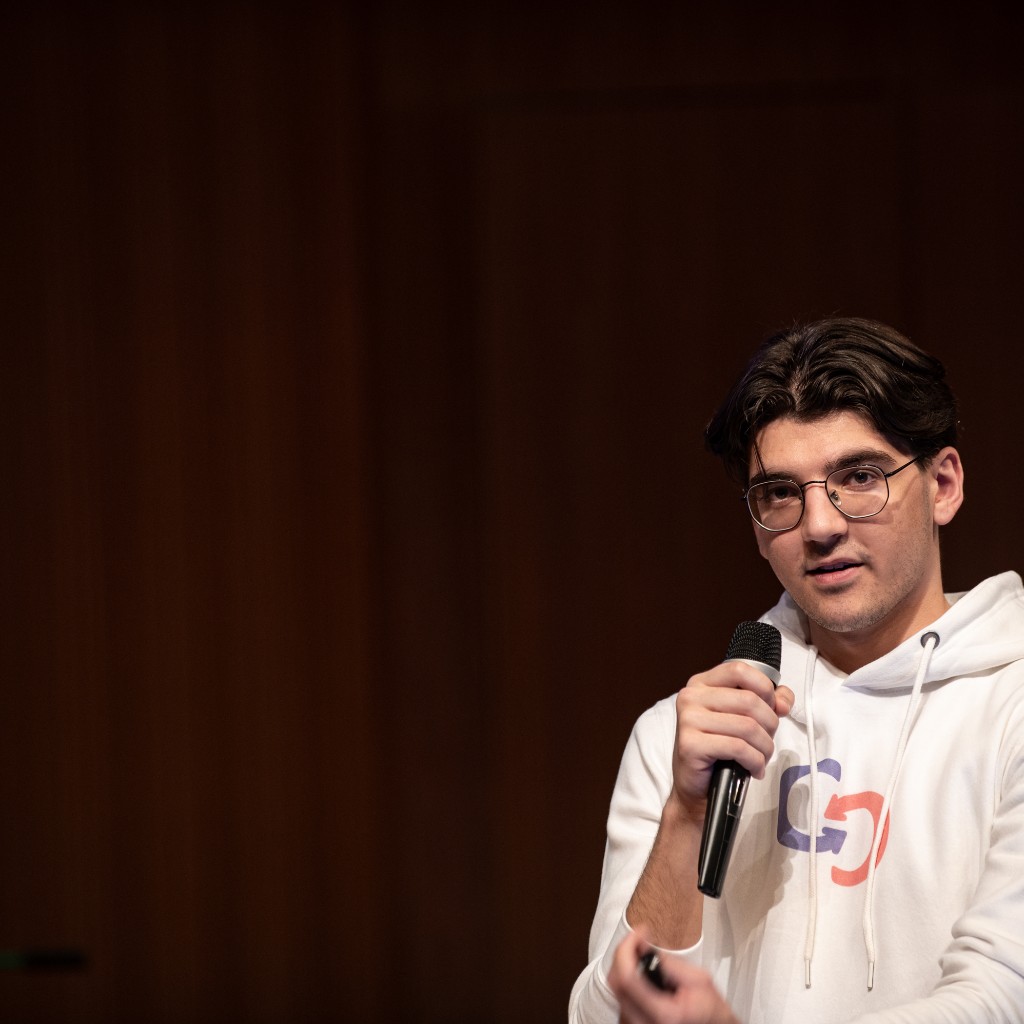
Antonis Politis |

The Nonprofit That Said No to Givelink — and Why That Was Right
A transparent account of the situations where Givelink isn't the right fit — and what we've learned from organizations that passed.
A platform that claims to be right for everyone is either lying or hasn't thought hard enough about who it serves. Givelink is not right for every nonprofit. We've had organizations apply and withdraw. We've had conversations where the honest answer was "this isn't a fit for you right now." We've had organizations onboard, use the platform for a few months, and decide to pause. These conversations are worth publishing — not as cautionary tales but as honest accounts of when transparent product giving solves a real problem and when it doesn't.
When Givelink said it wasn't the right fit
Scenario 1: The advocacy organization
A California environmental advocacy nonprofit applied to Givelink in early 2027. Their programs: policy research, legislative lobbying, and public education campaigns. Their supply needs: essentially none — they needed staff time, printing costs, and travel expenses, but not products that could be listed on a wishlist.
The honest conversation: Givelink is a product-based giving platform. The operational value comes from the wishlist-to-delivery cycle. An organization with no meaningful product-based supply needs doesn't benefit from the platform — and might confuse its donors by presenting wishlists that don't reflect genuine operational need.
They passed. The right choice. They pursue individual giving through traditional cash-based platforms where their program needs are best served.
Scenario 2: The overwhelmed two-person organization
A transitional housing program in the Central Valley applied to Givelink. Two staff members, 24 residents, and a program scope that fully occupied both staff members seven days a week. The monthly wishlist update and biweekly photography, at 20–25 minutes per month, was genuinely too much.
The honest conversation: Givelink requires operational engagement. Not much — but consistently. An organization where every staff member is at full capacity on direct service work, with no margin for any administrative task, will not maintain the photo practice or wishlist currency. The platform will underperform, and the resulting stale wishlist and missing photos will hurt rather than help their donor relationships.
The recommendation: wait. When staff capacity allows for a 20-minute monthly investment, the platform would serve them well. At that moment, they weren't there.
Scenario 3: The organization that needed unrestricted cash
A youth arts program facing an immediate operational deficit applied to Givelink. They needed cash — specifically, operating funds to cover a payroll gap created by a delayed grant disbursement.
The honest conversation: Givelink funds operational supplies, not cash shortfalls. A nonprofit with an immediate cash crisis needs bridge funding, an emergency line of credit, or a major donor relationship — not a product giving platform. Givelink would supply the art materials for their programs; it couldn't pay their staff.
We connected them with a CDFI that offered operating reserve loans for nonprofits in bridge situations. They were onboarded to Givelink two months later, once the cash crisis was resolved.
Scenario 4: The organization with addressing sensitivity concerns
A domestic violence shelter applied and we couldn't complete the address verification step in a way that satisfied both our verification standard and their confidentiality requirements. The organization's physical address was confidential for legitimate client safety reasons, and our standard verification process would have required confirming an operational address that the organization couldn't disclose publicly.
The honest conversation: We worked on a modified verification protocol for organizations with legitimate address confidentiality requirements — one that confirmed operational presence without requiring public address disclosure. This took longer than standard onboarding. The organization was patient. They're now on the platform with a modified verification documentation trail.
Not a "no" — a "not yet, while we build the right process."
What we've learned from organizations that passed
1. The product need must be genuine. Organizations that create wishlists as a donor acquisition exercise rather than an operational documentation exercise produce stale, unconvincing wishlists. Donors notice. The platform works when the wishlist reflects real operational need.
2. The photo practice requires operational margin. The 20–30 minutes per month that the platform requires is genuinely available to most nonprofits — but not all. For organizations at full capacity with no administrative margin, we're honest about the fit.
3. Cash and product giving are different tools. Givelink is not appropriate for organizations whose primary individual giving need is unrestricted cash. Organizations should run both channels — Givelink for supply, traditional giving for cash — but shouldn't try to replace cash fundraising with product giving.
4. The right fit requires a wishlist that matters. The best predictor of Givelink success is whether the organization has genuine, specific, recurring supply needs that the wishlist can accurately represent. Organizations with this need — shelters, food banks, youth programs, senior care, veterans services — thrive. Organizations without it struggle.
What we do when the fit isn't right
We say so. Early. Specifically. And we often point to what would actually help — a CDFI for bridge funding, a different giving platform for advocacy fundraising, a future onboarding conversation when capacity allows.
This is the transparency standard applied to ourselves. A platform that accepts every applicant regardless of fit is prioritizing its own network metrics over the organizations it claims to serve. We're not doing that.
Frequently Asked Questions
What types of nonprofits are the best fit for Givelink?
Organizations with genuine, recurring operational supply needs — shelters, food banks, youth education programs, senior care organizations, veterans services, domestic violence programs, mental health nonprofits with residential or group components. Wishlists for these organizations reflect real operational reality.
What types of nonprofits are not a fit for Givelink?
Organizations whose primary needs are cash-based (advocacy, policy, direct cash assistance to clients), organizations with no meaningful product-based supply needs, and organizations without the operational capacity for the monthly wishlist update and biweekly photography practice.
Can an organization apply to Givelink again after being told it's not the right fit?
Yes — the right fit may change as the organization grows. An organization at two staff members that was at full capacity in 2027 may have the operational margin for Givelink in 2028. We welcome re-application when circumstances change.
Does Givelink ever remove organizations from the platform?
Yes — organizations that fail to maintain the wishlist update and delivery photo practice are flagged, supported, and if the issue persists, removed. The platform's value to donors depends on every listed nonprofit being actively engaged. See Blog 115 for the complete account of what happens when a nonprofit leaves Givelink.
Stay Human.
Antonis Politis is CEO and Co-Founder of Givelink.
See also
What is Givelink?
Learn from the founders:
Support a nonprofit
Buy their needs