
for nonprofits
How Nonprofits Can Prepare for the Next Funding Deadline
Federal funding runs through December 11, 2026. Here's what that covers, what doesn't, and how to build a goods buffer before then.

Panos Kokmotos |
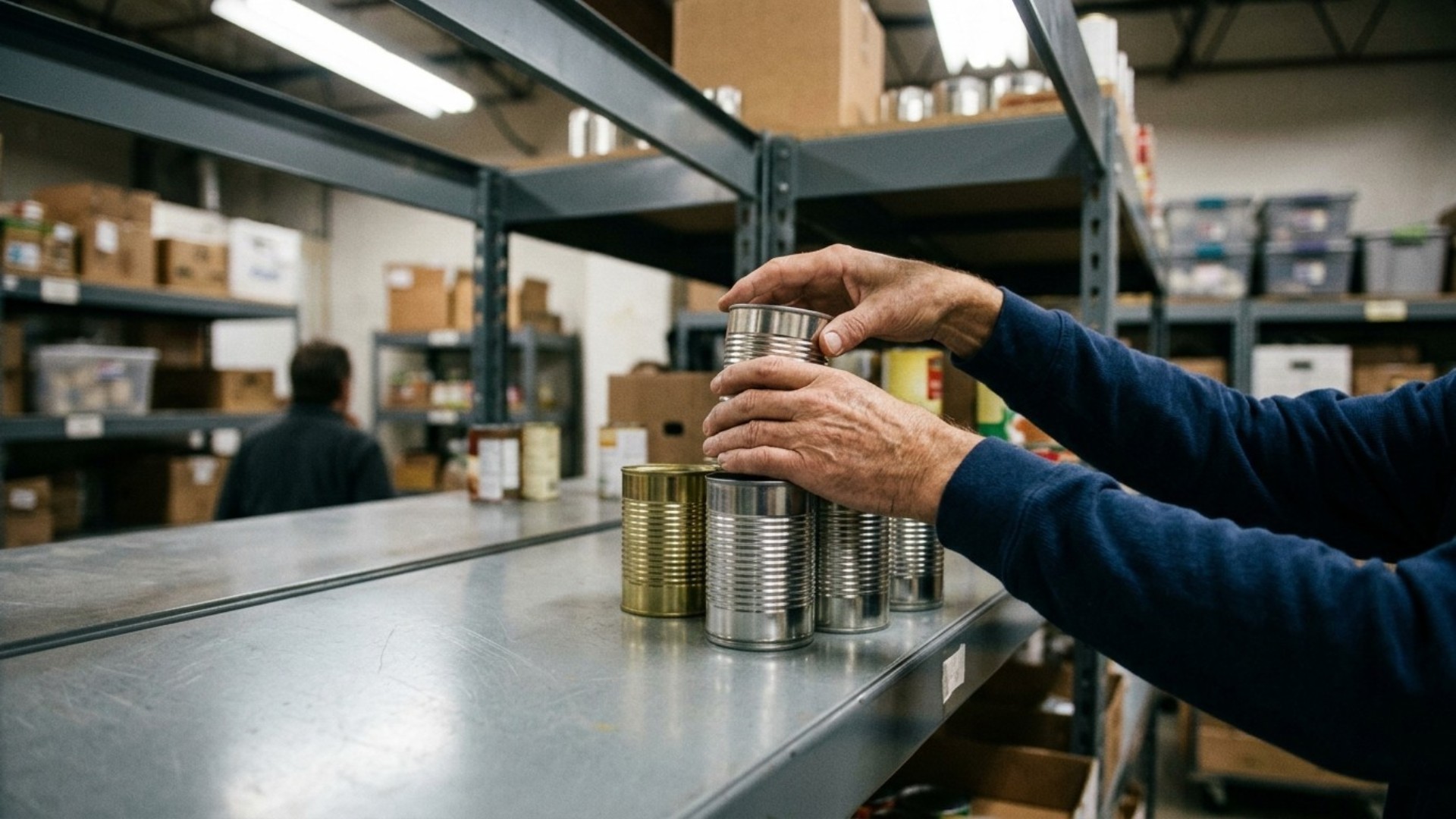
Congress passed a continuing resolution keeping federal funding at fiscal year 2026 levels through December 11, 2026, avoiding a shutdown that would otherwise have hit at the start of the new fiscal year. That buys time, not certainty. Nonprofits that lived through the two shutdowns earlier this year, one in late January and a 76-day DHS-specific one that ran into late April, know how fast a funding lapse turns into pressure on their own services. The window before December 11 is the time to build slack into the goods side of operations, not the week the news says a deal fell through.
What's actually funded right now, and until when
The current continuing resolution extends spending at existing fiscal year 2026 levels through December 11, 2026. It doesn't set new funding levels for fiscal year 2027, it just keeps the lights on at current levels while Congress works through the individual appropriations bills. If no full-year funding or another extension is in place by that date, the government faces another lapse.
This is a stopgap, not a resolution. Nonprofits that depend on federal grants, reimbursements, or programs like SNAP that flow through to the people they serve should treat December 11 as a real date to plan around, not a distant one.
What happened last time, in plain terms
The last extended shutdown, which ran through October and November of 2025 and disrupted SNAP funding, led directly to a documented surge in demand at food banks as families who normally rely on SNAP benefits turned to charitable food assistance to cover the gap. Two shorter, DHS-specific shutdowns followed in early 2026. Different shutdowns hit different programs, but the SNAP episode is the clearest precedent for what any funding lapse can do to an in-kind-dependent nonprofit: it doesn't reduce need, it moves need from a federal program onto a local organization's shelves, often with very little notice.
The lesson isn't about the politics behind any shutdown. It's operational: an organization that depends heavily on a federal pass-through program has a real exposure point that a private in-kind giving channel doesn't share.
Build a goods buffer before December 11
Three concrete steps, not a general call to "be prepared":
Know your exposure. List which of your programs touch federal funding directly (a grant, a reimbursement, a pass-through like SNAP-adjacent food assistance) and estimate how fast a lapse would show up as increased demand or reduced inventory. A food pantry has a faster, more direct exposure than an arts nonprofit, for example.
Set a specific inventory target, not a vague one. "More canned goods" isn't a plan. "Two additional weeks of supply for our highest-turnover items" is. Pick the number now, while there's no active crisis pushing donors toward panic-giving that's hard to direct.
Ask for the exact items, publicly, before the deadline hits. A general appeal that says "we might need help soon" performs worse than a specific list of items with quantities, published now so donors have time to act before a crisis headline crowds out your ask. This is the same operational lesson as any seasonal drive: specificity is what gets a shelf actually filled, not urgency alone.
Givelink is built for exactly this kind of specific ask. A nonprofit lists exactly what it needs, a donor funds that item, and the organization gets a photo confirming it arrived, tied to that donor by name. Building that list now, before December 11 turns into a live news story, means it's ready to point donors to the moment it matters. See Givelink for nonprofits to get a list started, or read how in-kind donation logistics work without a warehouse if storage space is the constraint holding a buffer plan back.
What this isn't
This isn't a call to take a political position, and a nonprofit shouldn't turn its own appeal into one. The operational fact, regardless of which side anyone blames for a funding lapse, is the same: federal programs can pause with little warning, and organizations that build slack into their goods supply ahead of time handle that pause better than ones that scramble after it starts.
FAQ
When is the current federal funding deadline? December 11, 2026, under the continuing resolution passed in September 2026. If a longer-term deal or another extension isn't reached by then, another lapse becomes possible.
Does a funding lapse stop SNAP benefits immediately? It depends on the length and structure of the lapse and on contingency funds available at the time, which varies shutdown to shutdown. What's consistent across past lapses is that any disruption or even the threat of one drives more people toward food banks and other in-kind-dependent nonprofits, regardless of the exact mechanism.
Should our nonprofit stockpile inventory just in case? A modest, specific buffer (a couple of weeks of your highest-turnover items) is a reasonable operational hedge. Open-ended stockpiling that ties up storage space and volunteer time for a scenario that may not happen isn't necessary; a clear, ready-to-publish donor ask is a better use of the same effort.
What's the difference between this and a normal seasonal drive? A seasonal drive has a known calendar date and a predictable demand curve. A funding-lapse buffer is insurance against an uncertain date, so the ask should be framed around building reserve capacity now rather than around a single event, and it shouldn't wait for the deadline to actually arrive before it goes out to donors.
See also
What is Givelink?
Learn from the founders:
Run a nonprofit? Get what you need.
Set your nonprofit up yourself in about 15 minutes. It's free, there's no contract, and you don't need to talk to anyone first.