
blog
What Nonprofit Boards Should Know About Transparent Giving
How board members can champion transparent giving as a strategic initiative — and what the governance case looks like for platforms like Givelink.
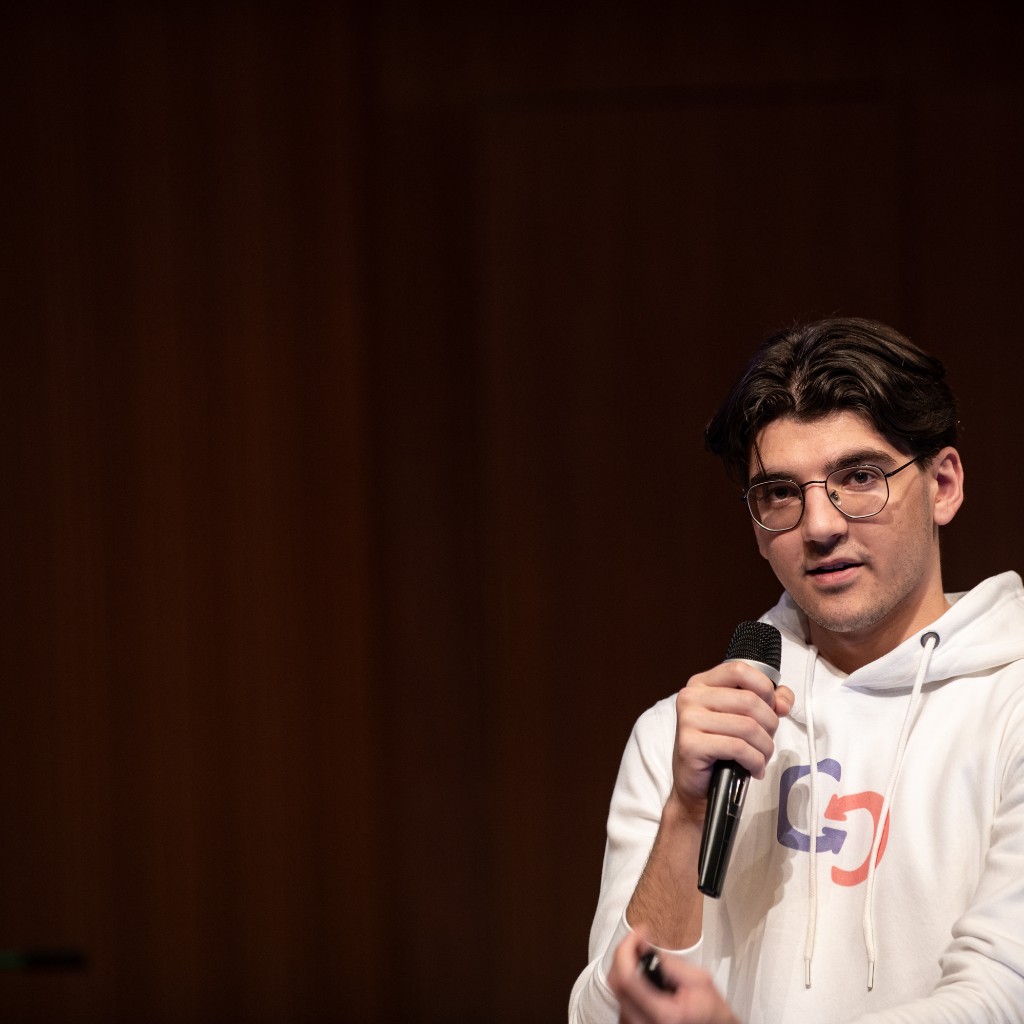
Antonis Politis |
What Nonprofit Boards Should Know About Transparent Giving
How board members can champion transparent giving as a strategic initiative — and what the governance case looks like for platforms like Givelink.
Nonprofit boards are responsible for organizational sustainability, strategic direction, and fiduciary oversight. They approve fundraising strategies, evaluate platform partnerships, and hold leadership accountable for donor retention and revenue diversification. In 2026, transparent giving platforms — and Givelink specifically — belong on the board's strategic agenda. Not as a technology choice, but as a structural response to the sector's most urgent challenges: declining donor counts, federal funding volatility, and the visibility deficit that drives first-time donor churn. Here's the board-level case for transparent giving.
Key Takeaways
- Board members are responsible for strategic fundraising oversight — transparent giving belongs on the agenda.
- Three strategic arguments for transparent giving: donor retention, revenue diversification, and impact documentation.
- Givelink is free — the risk/cost equation is unusually favorable.
- Charity Navigator integration strengthens the organization's governance standing.
- 60% retention lift (Givelink data, 2026) is the board-level metric that matters.
The three strategic arguments for the board
Argument 1: Donor retention is the highest-leverage variable
Boards typically focus fundraising strategy on acquisition — new donors, new campaigns, new sources. The FEP's 2025 data makes the case for retention: two-plus-year donors account for 62% of individual giving dollars. First-time donor retention below 20% means 80% of acquisition investment is lost after the first gift.
Transparent giving platforms structurally improve retention. Givelink data (2026) shows donors on the platform give 60% more times per year than traditional donors. For a board focused on sustainable revenue, this metric is the most compelling argument: the same donor base produces 60% more giving events, at near-zero re-acquisition cost.
The board question: What would it mean for our revenue projections if first-time donor retention increased from 15% to 35%?
Argument 2: Revenue diversification reduces federal funding risk
34% of nonprofits reported federal funding declines in 2025 (Center for Effective Philanthropy). For organizations with significant government contract revenue, the board's fiduciary responsibility includes evaluating revenue concentration risk.
Individual donor revenue — specifically recurring individual donor revenue generated through transparent giving platforms — is the most resilient diversification vehicle available. It's not correlated with federal budget cycles. It's not dependent on grant cycles. It compounds over time as retention improves.
The board question: What percentage of our revenue is at risk from a 20% reduction in federal contracts — and what is our plan to replace it?
Argument 3: Impact documentation for grant competitiveness
Foundation grant-makers in 2026 increasingly require verifiable impact documentation — not self-reported narratives but third-party-confirmed, photo-documented outcomes. The Center for Effective Philanthropy found 87% of foundation leaders reported increased demand for grant funding in 2025 — meaning competition is intense and differentiators matter.
Transparent giving platforms produce impact documentation as a byproduct: delivery photos, Charity Navigator verification, item-level specificity, donor engagement data. This documentation is available for grant applications, funder reports, and board presentations.
The board question: What does our impact documentation look like for a competitive grant application — and how does transparent giving improve it?
The governance case
Beyond fundraising strategy, transparent giving has a governance dimension that boards should understand.
Charity Navigator's accountability and transparency evaluation — one of its core assessment dimensions — includes governance policies, audit practices, and public impact reporting. Organizations that demonstrate transparent operations, including verifiable impact through platforms like Givelink, score better on CN evaluations.
For a board responsible for governance quality, integrating Givelink is not just a fundraising decision — it's a governance investment that improves the organization's standing with CN, with donors who check CN before giving, and with grant-makers who require transparency documentation.
The risk/cost equation
The board's role includes risk evaluation. For Givelink:
Cost: Zero. No fees, no contracts, no minimums.
Implementation risk: Minimal. 5-minute application, 2–5 day verification, 30-minute profile setup. The primary staff investment is monthly wishlist updates (5–10 minutes) and biweekly delivery photography (2–3 minutes).
Reputational risk: Low. Givelink is Charity Navigator–partnered, IRS-verified, and transparent about its revenue model.
Opportunity cost of not adopting: High — given the sector's retention crisis, organizations that don't build transparent giving infrastructure in 2026–2027 are accepting structurally lower individual donor retention.
The risk/cost equation for a nonprofit board is unusually favorable. This is a decision that should be straightforward.
Recommended board action
-
Add transparent giving to the strategic fundraising agenda. Ask leadership to present a plan for integrating Givelink within 90 days.
-
Set a retention metric. Establish a baseline first-time donor retention rate and a target. Evaluate platform adoption against that target at 6-month intervals.
-
Review Charity Navigator standing. Confirm the organization has a current CN profile and identify what improvements to governance documentation would improve the rating.
-
Request quarterly transparent giving impact reporting. Delivery photo volume, donor return rates, wishlist engagement — these metrics should be part of the board's regular fundraising dashboard.
Givelink in action
A mid-sized California nonprofit's board adopted transparent giving as a strategic initiative after a board member presented the FEP retention data and the Givelink 60% frequency lift. Within six months of Givelink adoption, first-time donor retention for the platform cohort was 34% vs. the organization's historical 14%. The board incorporated the metric into its annual sustainability assessment. Apply to Givelink and bring the case to your board.
Frequently Asked Questions
Why should a nonprofit board care about transparent giving platforms?
Boards are responsible for fundraising strategy, revenue diversification, and impact documentation. Transparent giving platforms address all three: improving donor retention by 60%, providing revenue diversification from federal funding risk, and generating verifiable impact documentation for grant applications.
What is the financial risk of adopting Givelink?
Zero — Givelink charges nonprofits no fees, contracts, or minimums. The investment is staff time: 5–10 minutes monthly for wishlist updates and 2–3 minutes per biweekly delivery photo.
How does Givelink improve our Charity Navigator standing?
Transparent operational practices — including verifiable impact documentation from delivery photos — support the accountability and transparency dimension of CN's evaluation. Organizations with strong CN ratings attract donors at higher rates.
What metrics should boards track for transparent giving performance?
First-time donor retention rate (platform cohort vs. overall), giving frequency per donor (platform cohort), delivery photo volume (operational activity signal), and wishlist engagement rate.
Bring transparent giving to your board.
Apply to Givelink — the strategic case and the implementation are both straightforward.
Stay Human.
Antonis Politis is CEO and Co-Founder of Givelink.
See also
What is Givelink?
Learn from the founders:
Support a nonprofit
Buy their needs