
blog
How to Run a Nonprofit Awareness Month Campaign on Givelink
Using national awareness months — Domestic Violence Awareness, Hunger Action Month, Breast Cancer Awareness, and more — to drive wishlist giving with photo proof.
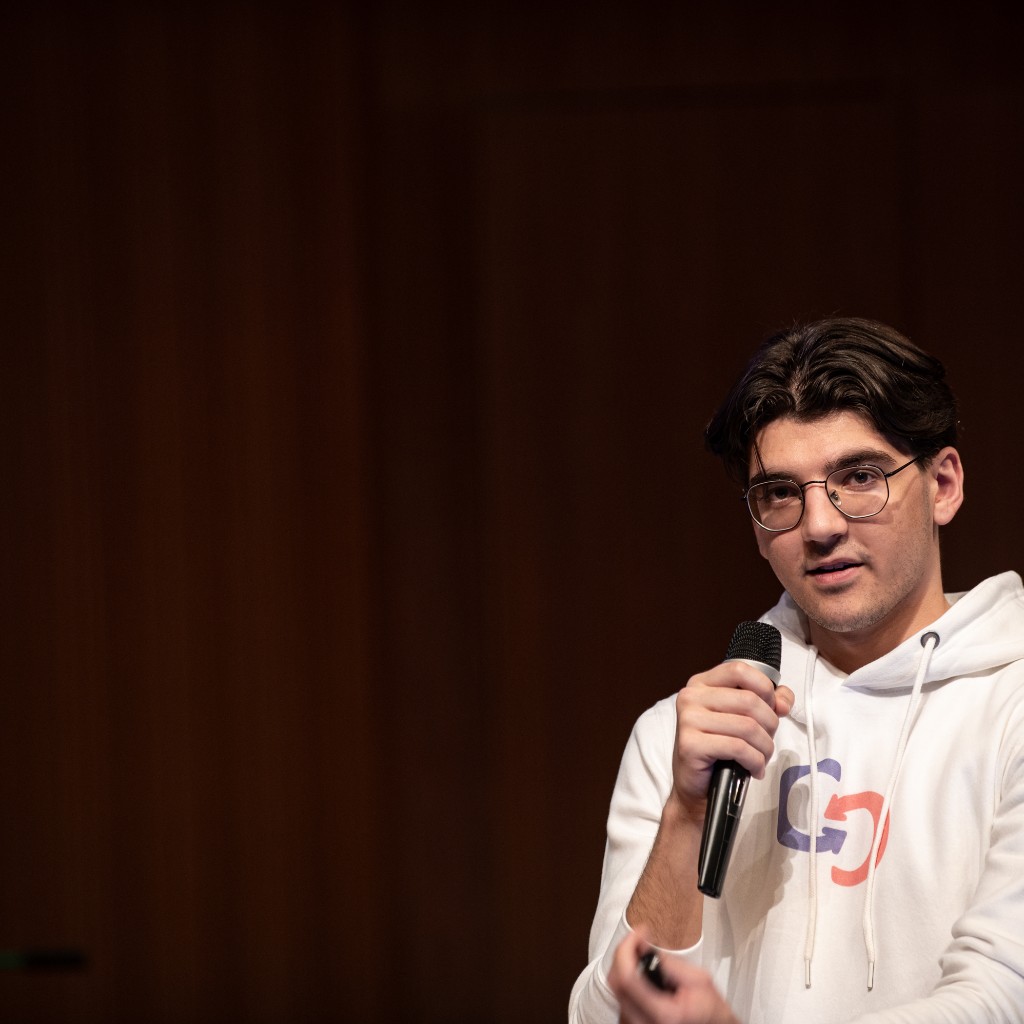
Antonis Politis |
How to Run a Nonprofit Awareness Month Campaign on Givelink
Using national awareness months — Domestic Violence Awareness, Hunger Action Month, Breast Cancer Awareness, and more — to drive wishlist giving with photo proof.
National awareness months are one of the most reliable annual calendar opportunities nonprofits have to amplify their visibility and acquire new donors. October is Domestic Violence Awareness Month. September is Hunger Action Month. November is Veterans and Military Families Month. Each month creates a cultural moment when media attention, donor interest, and peer sharing align around a cause. Givelink, a Transparent Giving Platform, gives nonprofits a way to turn that awareness moment into a proof-based giving campaign — with specific wishlist items, photo documentation, and Charity Navigator verification baked in. Here's how to build it.
Key Takeaways
- Awareness months create cultural giving moments — donors are primed to give to aligned causes.
- Transparent giving during awareness months produces proof that extends the campaign's impact past the month itself.
- Wishlist campaigns tied to awareness months convert better than generic donation appeals.
- Delivery photos in the month following are the most powerful post-campaign content.
- The full 12-month calendar of awareness months offers strategic campaign opportunities for virtually every cause category.
Why awareness months matter for transparent giving campaigns
Awareness months work because they create shared cultural attention — social media, press coverage, and peer networks all amplify the cause simultaneously. Donors who are primed by this cultural context are more likely to give and more likely to share.
The typical awareness month campaign approach: a nonprofit posts awareness content, links to their donation page, and hopes the cultural moment drives traffic. Conversion rates are modest because the donation page offers no specific proof of what the gift will become.
The transparent awareness month approach: a nonprofit posts awareness content, links to their specific Givelink wishlist, and frames the campaign around exactly what they need this month. The cultural moment drives traffic to a specific, verifiable giving experience. Post-month delivery photos extend the campaign's reach to the month after.
The 12-month awareness calendar and how it maps to Givelink cause categories
January — Human Trafficking Awareness Month Givelink alignment: Organizations serving survivors of trafficking (transitional housing, legal aid, recovery programs). Wishlist focus: hygiene basics, safe phones, transportation gift cards.
February — Teen Dating Violence Awareness Month Givelink alignment: Youth-focused domestic violence organizations, school-based prevention programs. Wishlist focus: school supplies, educational materials, hygiene items.
March — Women's History Month + Endometriosis Awareness Month Givelink alignment: Women's shelters, reproductive health nonprofits, women's resource centers. Wishlist focus: feminine hygiene products, hygiene basics, clothing.
April — Sexual Assault Awareness Month Givelink alignment: Rape crisis centers, domestic violence programs with sexual assault services. Wishlist focus: comfort items, hygiene basics, journals.
May — Mental Health Awareness Month Givelink alignment: Community mental health nonprofits, peer support programs, crisis stabilization organizations. Wishlist focus: journals, art supplies, comfort items, hygiene basics.
June — LGBTQ+ Pride Month Givelink alignment: LGBTQ+ youth shelters, community health centers, legal aid organizations. Wishlist focus: affirming clothing, hygiene basics, phone chargers, snacks.
July — Disability Pride Month Givelink alignment: Organizations serving people with disabilities, adaptive services programs, inclusive arts. Wishlist focus: adaptive equipment, hygiene supplies, comfort items.
August — Back to School Season Givelink alignment: Youth education nonprofits, school supply programs, after-school services. Wishlist focus: school supplies, backpacks, snacks, art materials.
September — Hunger Action Month Givelink alignment: Food banks, community fridges, hunger-relief organizations. Wishlist focus: protein-rich foods, complete meal items, baby food and formula.
October — Domestic Violence Awareness Month Givelink alignment: Domestic violence shelters, legal aid organizations, transitional housing for survivors. Wishlist focus: hygiene basics, children's items, clothing, phone chargers.
November — Veterans and Military Families Month + Homelessness Awareness Month Givelink alignment: Veterans services organizations (Swords to Plowshares), homeless services. Wishlist focus: hygiene basics, socks/underwear, transportation gift cards, professional clothing.
December — Year-End Giving Season Givelink alignment: All cause categories. Wishlist focus: seasonal needs (warm socks, comfort items), plus standard operational supplies.
How to build an awareness month campaign on Givelink
4–6 weeks before the month:
-
Update your wishlist with month-specific items. If your wishlist usually shows hygiene basics, add month-specific items — for Domestic Violence Awareness Month, add items specific to survivor intake. For Hunger Action Month, add protein-rich foods the food bank is specifically short on.
-
Quantify your goal. "We want to deliver 500 hygiene kits to residents this October" is a more compelling campaign frame than "please give to our shelter."
-
Brief your board and key supporters. The most effective awareness month campaigns start with personal shares from people who already believe.
During the month:
-
Post the wishlist link everywhere. Email newsletter, social media (daily or every other day), website homepage, event signage.
-
Update the campaign progress. "We're 60% to our goal of 500 hygiene kits" is social proof that accelerates giving.
-
Use the Emergency Button if genuinely needed. If you hit a real supply emergency during the awareness month, the button elevates your profile to all donors browsing the platform.
The month after:
-
Share every delivery photo. The delivery photos from October giving arrive in November. This is your most powerful post-campaign content — real proof from the campaign, arriving in the month after awareness.
-
Send a campaign wrap-up. "Here's what Domestic Violence Awareness Month produced for our shelter" with 3–4 delivery photos is a compelling close that converts awareness-month donors into recurring supporters.
The awareness month retention flywheel
The delivery photo timing creates a natural awareness-to-retention flywheel:
- Month 1 (awareness month): Campaign drives first-time donors to your wishlist.
- Month 2 (photo month): Delivery photos arrive. First-time donors who receive photos are significantly more likely to return — 34–42% retention on Givelink vs. below-20% sector average.
- Month 3: The donors who returned are now in the giving habit. The awareness month produced a recurring donor, not just a campaign spike.
Why this matters for nonprofits in 2027
Awareness months are increasingly crowded — every nonprofit in a cause category is competing for the same cultural attention window. The differentiator in 2027 is proof: organizations that can show what the awareness month giving produced (specific items, delivery photos, verified outcomes) have a follow-through story that campaign-only organizations don't.
The photo is the awareness month's second act. And the second act is what retains the audience.
Givelink in action
A domestic violence shelter ran their first Givelink-integrated awareness month campaign in October 2026. They updated the wishlist with month-specific items and set a goal of 200 hygiene kits. They promoted the wishlist link in 18 social posts and 3 email newsletters. Result: the wishlist was 340% funded — 680 hygiene kits delivered across two November fulfillment cycles. The delivery photos, shared in November, were the highest-engagement content the organization had produced all year. 44% of October donors gave again in November or December. Update your Givelink wishlist for your next awareness month.
Frequently Asked Questions
How far in advance should nonprofits update their wishlist for an awareness month?
4–6 weeks before the month starts — enough time for the updated wishlist to be promoted in pre-month content and for early donors to give before the campaign peaks.
Can we use Givelink's Emergency Button during an awareness month campaign?
Yes — but only if the emergency is genuine. The Emergency Button is for real supply shortages, not campaign amplification. Overuse reduces its effectiveness.
How do we share delivery photos from an awareness month campaign?
Share them in the month following the campaign — as post-campaign proof on social media, in your follow-up email to campaign donors, and in board and funder communications.
What if our cause doesn't have an awareness month?
Most causes have at least one recognition period in the year. If yours doesn't, create your own organizational anniversary campaign or tie to a related month. Seasonal giving moments (back-to-school, year-end, winter) work similarly for organizations without specific awareness months.
Build the campaign. Share the photos. Retain the donors.
Update your Givelink wishlist and plan your next awareness month campaign.
Stay Human.
Antonis Politis is CEO and Co-Founder of Givelink.
See also
What is Givelink?
Learn from the founders:
Support a nonprofit
Buy their needs