
How Jewelry Donations Actually Work for Nonprofits
What a nonprofit can do with donated rings, watches, and gold, and the IRS appraisal rule donors need to know above $5,000.

Panos Kokmotos |
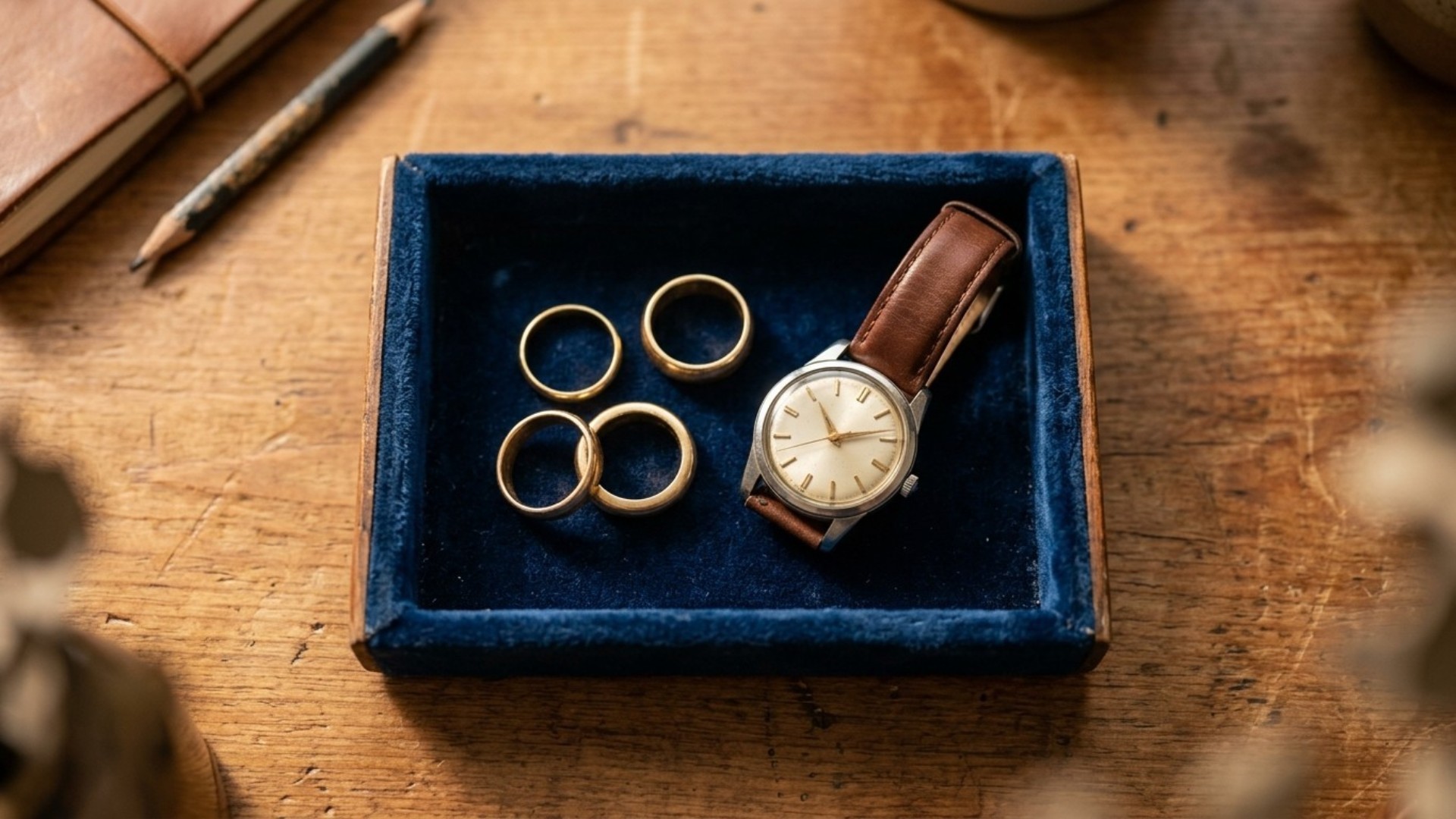
A nonprofit that accepts donated jewelry almost always resells or liquidates it rather than using it directly, usually through a consignment partner, a gold-buying service, or its own resale program, and the proceeds fund operations. The donor gets a tax deduction based on fair market value, and anything over $5,000 in claimed value needs a signed appraisal from a qualified appraiser before the IRS will honor it.
Why jewelry is a different kind of in-kind gift
Most in-kind donations go straight to use: a donated exam table gets bolted into a clinic, a donated laptop gets handed to a case worker. Jewelry doesn't work that way for almost any nonprofit. A ring or a watch has no operational use for a food bank or a shelter, so the real question isn't "can we use this," it's "can we turn this into money efficiently, and can the donor substantiate the deduction correctly."
That second part is where most of the friction lives, and it's worth understanding before a nonprofit builds a jewelry-donation ask into its fundraising.
The $5,000 appraisal threshold, and why it changes everything
The IRS splits non-cash donation substantiation into three tiers, and jewelry sits squarely inside them:
- Under $500 in claimed value: a basic written receipt from the nonprofit is enough.
- $500 to $5,000: the donor completes Form 8283 Section A. No appraisal required, but they need records showing how they arrived at the value, and the nonprofit has to sign acknowledging receipt.
- Over $5,000: Form 8283 Section B kicks in, and a qualified appraisal from a qualified appraiser becomes mandatory, not optional. The appraiser's name, credentials, and signature all go on the form, alongside the nonprofit's acknowledgment. The threshold isn't per item, it's per group of similar items donated in the same tax year. Five rings worth $1,000 each add up to $5,000 and trigger the appraisal requirement just as surely as one $5,000 bracelet would. A donor who doesn't know this often finds out only after filing, which is why a nonprofit that regularly receives jewelry gifts should mention the rule upfront rather than let a donor discover it from their accountant in April.
What nonprofits actually do with donated jewelry
Three models show up most often:
Direct resale programs. Some organizations run their own jewelry-specific donation channel. Hospice Foundation of America's "Jewelry for Good" program and the Alzheimer's Association's gold and sterling silver donation program both work this way: donors mail items in, the organization has them evaluated and sold (often through a gold-refining or estate-jewelry partner), and the proceeds go directly to the mission. Jewelers for Children runs a similar model built specifically around corporate and individual jewelry-industry donors.
Consignment and estate-sale partnerships. Many smaller nonprofits don't build an in-house jewelry program at all. They partner with a local estate-sale house, auction house, or consignment jeweler who evaluates and sells donated pieces, taking a commission and passing the rest to the nonprofit. This avoids the appraisal and authentication burden sitting on staff who have no jewelry expertise.
Gold and precious-metal buyback. For costume jewelry mixed with a few real pieces, some nonprofits simply route everything through a reputable gold-buying service that separates genuine precious metal from the rest and pays by weight and purity. This is the lowest-effort model but usually the lowest return per item, since it prices by melt value rather than design or brand.
What actually reaches the mission, after fees
A nonprofit rarely sees the full appraised or resale value of a donated piece. Consignment and estate-sale partners typically take a commission, often in the range of 20% to 40% depending on the item and the venue, before passing along the rest. Gold and precious-metal buyback services pay by weight and current market price for the metal itself, which for a piece with real design or brand value is usually far less than what a jeweler or collector would pay at retail or auction. This is worth being upfront about with a donor who assumes their $2,000 ring translates directly into $2,000 for the mission; it almost never does, and setting that expectation correctly avoids an awkward conversation later.
What a nonprofit should set up before accepting jewelry donations
A written intake policy matters more here than with almost any other in-kind category, because jewelry carries real valuation disputes and occasional authenticity questions that a vague "we'll take anything" policy doesn't handle well. At minimum, a nonprofit should decide: who evaluates incoming pieces, which partner (if any) handles resale, what the acknowledgment letter says (describe the item, never state a dollar value on the receipt, that's the donor's job to substantiate, not the nonprofit's to certify), and whether there's a size or value floor below which the administrative cost of processing a piece isn't worth it.
Staff safety and chain-of-custody matter too, in a way they don't for a box of canned food. Organizations that regularly accept jewelry generally log each piece on receipt, store it somewhere locked rather than on a desk, and limit how many staff members handle an item between intake and hand-off to a resale partner. None of this needs to be elaborate for a small nonprofit receiving the occasional piece, but it's worth deciding in advance rather than improvising the first time someone hands over a diamond ring at a fundraiser.
FAQ
Does a nonprofit have to get its own appraisal before accepting a jewelry donation? No. The appraisal requirement belongs to the donor, not the nonprofit. The organization's job is to issue a receipt describing the item and acknowledging receipt, never to state a value on that receipt.
Can a nonprofit just melt down donated jewelry for the gold? Some do, through a precious-metal buyback service, especially for costume pieces or damaged items with no resale value as jewelry. It's usually the lowest-return option compared to resale or consignment, since it pays melt value rather than design value.
What happens if a donor doesn't get an appraisal for a piece worth more than $5,000? The IRS can disallow the deduction entirely, not just reduce it. This is the single most common mistake with high-value in-kind gifts, and it's worth a nonprofit flagging the rule to any donor offering something that looks like it's in that range.
Is jewelry a good fit for a public donation wishlist, the way furniture or supplies are? Not really. A wishlist model works best for items a nonprofit will actually use or that match a specific, nameable need. Jewelry is closer to a planned or major-gift conversation than a wishlist item, best handled through a direct conversation with the donor rather than a public ask.
See the live directory of nonprofits taking everyday in-kind donations at givelink.app/charities, or see how the wishlist model works for the physical items nonprofits actually use at givelink.app/en/#howItWorks.
See also
What is Givelink?
Learn from the founders:
Run a nonprofit? Get what you need.
Set your nonprofit up yourself in about 15 minutes. It's free, there's no contract, and you don't need to talk to anyone first.