
How Airline Miles Donations Actually Work for Nonprofits
How nonprofits turn donated frequent flyer miles into real flights, who runs these programs, and the one tax rule that trips up donors.

Panos Kokmotos |
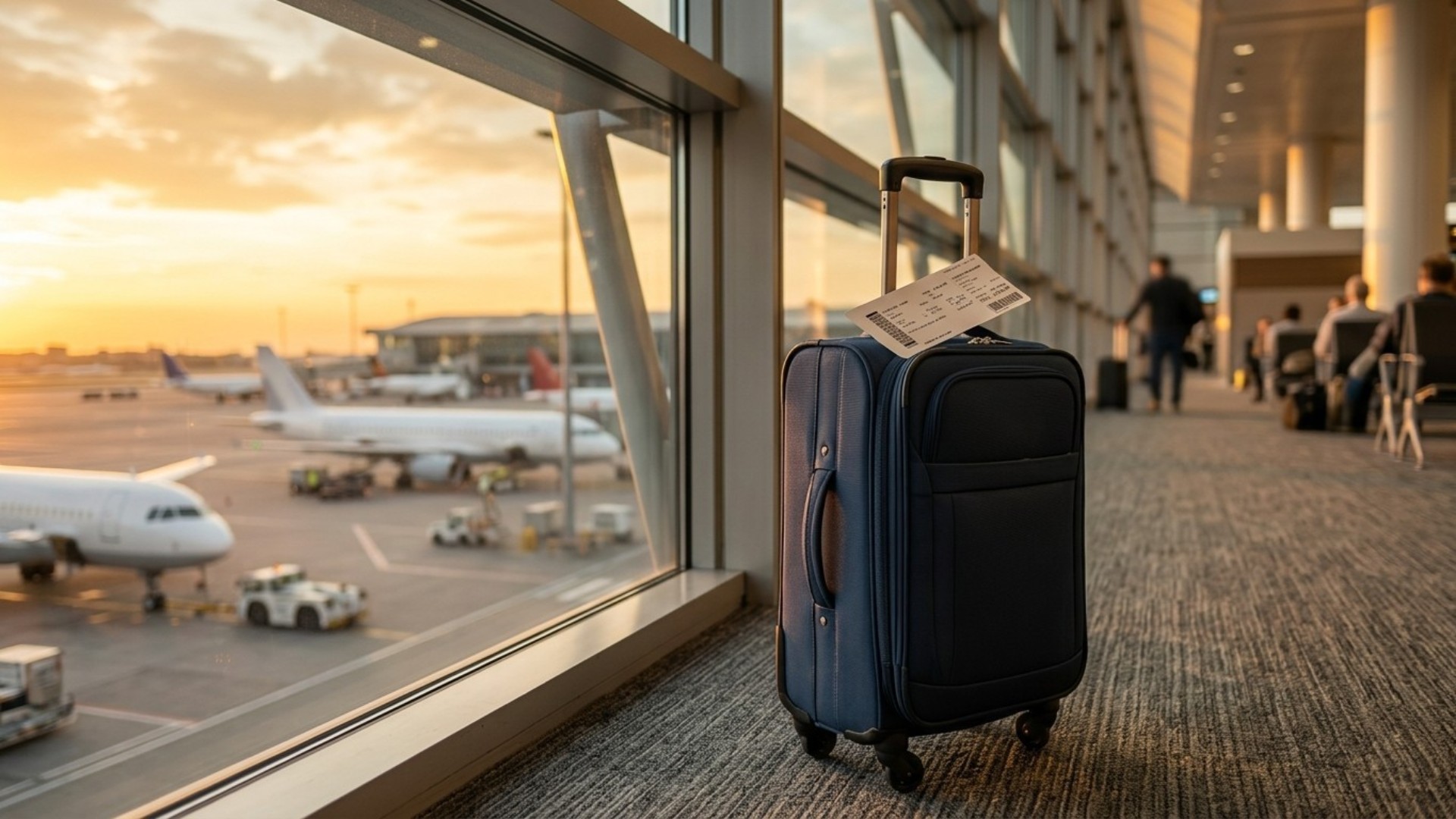
Nonprofits that run airline miles programs pool small individual donations into one pooled frequent-flyer account held with an airline partner, then use that pooled balance to book flights for people who need to travel but can't afford airfare. A single donor's leftover miles are rarely enough to book anything on their own; pooling is what makes the model work.
Why this is its own category, separate from a typical in-kind gift
Most in-kind donations are physical goods that move from a donor's hands to a nonprofit's shelf. Miles and points don't work that way. They're a loyalty-program balance that can't be shipped, has an expiration date, and usually can't be transferred between two individual accounts at all, only donated into a nonprofit's pooled account through a formal partnership with the airline or card issuer. That's a meaningfully different operational problem than collecting canned food or winter coats, and most nonprofits that try this get the pooling and partnership structure wrong before they get it right.
How the pooling model actually works
Miles4Migrants is the clearest public example of how this runs at scale. Individuals donate unused miles or points directly into the organization's account. Because a small individual balance, in one example cited by the organization, 2,000 United MileagePlus points, can't purchase a flight on its own, the nonprofit aggregates many small donations until it clears an airline's minimum booking threshold.
The organization has flown more than 43,000 people from 100 countries using over 731 million donated miles and points, according to a 2023 report on its work, representing more than $12 million in flight value and an estimated $17 million in costs refugees would otherwise have had to cover themselves. Major carriers including United, Air Canada, and Alaska Airlines maintain direct pooled-account relationships with the organization, which is what makes the aggregation possible at this scale. Without an airline partnership like that, an individual donor typically needs a minimum of around 15,000 points before a donation is even usable.
On the demand side, local and international partner organizations, including UNHCR and the International Organization for Migration, identify people who are approved to travel but can't cover the cost, and submit flight requests that the miles-donation nonprofit then books against its pooled balance.
Who actually uses this model
Refugee and asylum-seeker transport is the best-known use case, but it's not the only one. Family reunification programs use the same pooling structure to fly separated family members to each other. Medical-travel nonprofits that fly patients or family members to treatment use a similar model, sometimes running their own in-house points program rather than partnering with an existing one.
A nonprofit considering this for the first time has two real paths: partner with an existing pooled-miles organization and refer cases to it, or build a pooled account of its own with a direct airline relationship, which only makes sense at meaningful volume given the setup and compliance overhead involved.
The tax rule that catches donors off guard
Cash donated to a nonprofit is generally tax-deductible. Miles and points are not, and this surprises a lot of would-be donors. Airline miles are considered a promotional benefit from a loyalty program rather than property with an established fair market value the IRS recognizes for deduction purposes, so donating 50,000 miles doesn't produce a receipt a donor can use on their taxes the way giving $500 would. Nonprofits running these programs should say this plainly on their donation page rather than let a donor assume otherwise and find out at tax time.
A second model, at a different scale: Make-A-Wish's Wishes in Flight
Miles4Migrants isn't the only organization running a pooled-miles program, and the comparison shows how differently this can work depending on the need. Make-A-Wish's Wishes in Flight program needs more than 2.8 billion miles a year, the equivalent of roughly 50,000 round-trip tickets, to cover every travel wish its chapters grant nationally. It partners directly with United MileagePlus, American AAdvantage, Delta Air Lines, JetBlue TrueBlue, and Southwest Rapid Rewards, and the minimum donation on most of those programs is far lower than the roughly 15,000-point floor an unaffiliated donor faces elsewhere: as little as 500 JetBlue points or 1,000 miles on United, American, or Delta.
That gap matters for a donor deciding where a small balance does the most good. A program with a low per-airline minimum and a direct partnership, like Wishes in Flight, can put a small individual donation to work faster than a program without one. It's also a sign of how much scale this kind of program needs to run well: billions of miles a year for one organization's travel wishes alone, which is why most nonprofits that need this kind of support partner with an existing pooled-miles organization rather than building their own from scratch.
Where Givelink fits, and where it doesn't
Givelink's wishlist model is built for the physical side of a need, not the travel side: the furniture, kitchen supplies, and household basics a family needs once they land, which is exactly what shows up on a resettlement agency's public wishlist. Airline miles programs and physical-goods wishlists aren't competing for the same donation, they're covering two different halves of the same situation, the flight and the apartment it leads to.
FAQ
Can I transfer my frequent flyer miles directly to another person who needs a flight? Usually not between two individual accounts; most airline loyalty programs restrict peer-to-peer transfers. Donating into an established nonprofit's pooled account is the practical way most people actually move miles to someone who needs them.
Is donating airline miles tax-deductible? No. The IRS treats miles and points as a non-transferable promotional benefit rather than property with a recognized fair market value, so there's no deduction for donating them, unlike a cash gift to the same organization.
How many miles does it actually take to help book one flight? It varies by route and airline, but pooled-miles organizations typically need tens of thousands of points per flight, which is why individual donations of a few thousand miles only become useful once aggregated with many other donors' contributions.
Do all mile-donation programs have the same minimum donation amount? No. The minimum depends on each organization's direct relationship with a given airline, not on some fixed industry rule. Make-A-Wish's Wishes in Flight accepts as little as 500 JetBlue points or 1,000 miles through United, American, or Delta, while a donor without an affiliated program behind them often needs upwards of 15,000 points before a donation is usable at all.
Do nonprofits need a special partnership with an airline to run this kind of program? To operate at any real scale, yes. A direct pooled-account relationship with one or more airlines is what lets an organization aggregate small donations efficiently; without it, individual donor minimums (often around 15,000 points) make small-scale collection far less useful.
See how nonprofits list the physical, day-one needs a newly arrived family actually has at givelink.app/charities, or see the wishlist model at givelink.app/en/#howItWorks.
See also
What is Givelink?
Learn from the founders:
Run a nonprofit? Get what you need.
Set your nonprofit up yourself in about 15 minutes. It's free, there's no contract, and you don't need to talk to anyone first.