
Federal Cuts Are Hitting Nonprofits. In-Kind Giving Helps
Revenue from Washington is unusually volatile right now. Here's the lever nonprofits control regardless of the politics.

Panos Kokmotos |
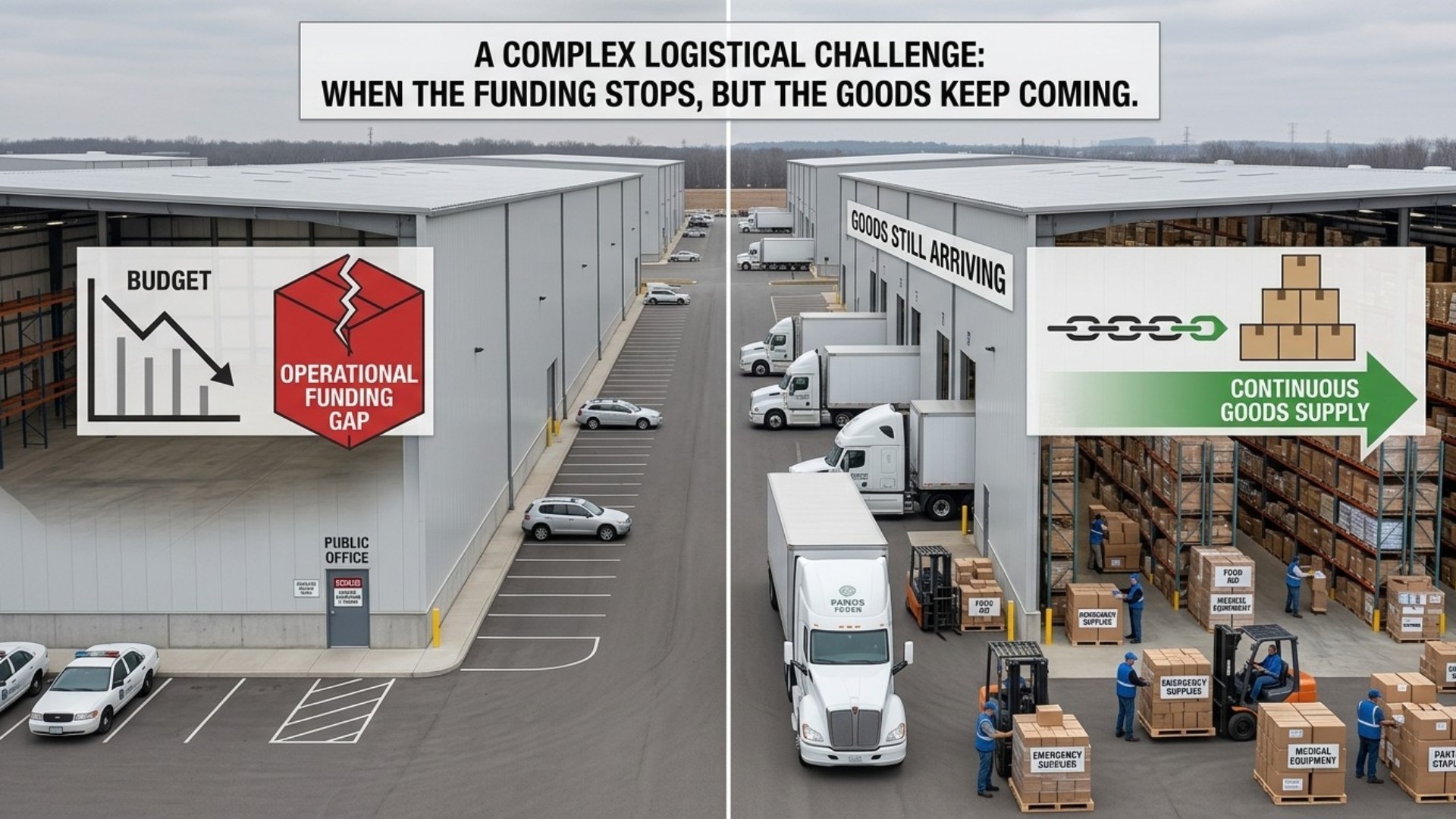
Federal funding to nonprofits has been unusually volatile through 2025 and 2026, and the volatility itself, not any one program's fate, is the operational problem. A nonprofit that built its budget around a grant or a reimbursement schedule now has to plan around the chance that either could pause with little notice. That's true regardless of which programs are affected or why, and it's true for organizations that never touch a federal dollar directly but serve people who lost a benefit that did.
This isn't a policy argument. It's a resourcing one: what can a nonprofit control when a revenue line it doesn't control gets less reliable? In-kind giving is one real answer, not a full substitute for lost federal dollars, but a channel that doesn't run through the same bottleneck.
What's actually happening, briefly
United Way Worldwide reported that 65% of nonprofit leaders named general revenue their top concern even before the most recent government shutdown, and that the shutdown itself put 42 million Americans at risk of losing SNAP benefits, a number that matters directly to every food bank and pantry now seeing demand they didn't budget for. The same reporting describes nonprofits "tapping emergency reserves, taking out loans, or scaling back operations" in response. None of that is a small adjustment.
Food banks and basic-needs organizations feel a SNAP disruption fastest and hardest: the people who lose a benefit still need to eat, and they show up at the door of whichever organization is still open. That's a demand spike with no matching revenue spike, and it's exactly the situation in-kind giving is built for, because a donor funding a specific item doesn't need a grant cycle or a reimbursement to say yes.
Why in-kind giving specifically helps here
Three reasons this channel responds faster than most alternatives:
It doesn't wait on an application cycle. A grant takes months from ask to check. A donor buying an item off a public wishlist can do it today.
It scales with attention, not headcount. A social post naming a real, current need can reach thousands of people without adding a fundraising staff line, which matters when funding cuts often mean staff cuts too.
It's legible in a way a general appeal isn't. "Fund 200 school kits, one at a time" is a concrete ask a donor can act on in thirty seconds. "Help us weather funding uncertainty" is not.
None of this replaces a federal grant dollar for dollar. It's a lever a nonprofit can pull without waiting for anyone else's decision, which is worth something specifically because so much else right now isn't in that category.
Making the case internally
If you're the one pitching a board or an executive director on spending time here instead of only chasing replacement grants, the honest framing is diversification, not crisis response. Givelink's list of the most pressing in-kind needs is a reasonable starting point for naming what your organization actually needs right now, which is the first real step regardless of which platform or channel you use to ask for it.
Two things worth saying plainly to a board that's nervous about federal dollars: first, an in-kind channel takes real setup time before it produces anything, so it isn't a same-week fix for a funding gap that opened last month. Second, it's additive to grant-seeking, not a replacement for it. The organizations handling this best are running both at once, not choosing between them.
What this looks like by organization type
The right response differs by what your organization actually does, not just its budget line.
Food banks and pantries feel a benefit disruption like the SNAP risk noted above fastest, because the same people who lost a benefit show up in person, immediately. The in-kind lever here is volume: a public list of the five or six items moving fastest off your shelves, refreshed weekly rather than seasonally, matched to whatever's actually running low.
Shelters and housing programs tend to see funding cuts show up as staffing cuts first, before program cuts. An in-kind channel here helps most when it reduces staff time rather than adding to it. A short, current list that a small team can maintain in minutes a week beats an ambitious one nobody has time to update.
Youth and education programs losing grant funding often lose the specific line item for materials and supplies first, since it's easier to cut than staff salaries. This is the most direct in-kind substitution of the three: a supply need is exactly what a wishlist replaces, dollar for dollar, item for item.
None of these are new playbooks. They're the same in-kind fundamentals every organization should already have, applied with more urgency because the funding that used to cover the gap got less reliable.
What to actually do this month
Start with the same fundamentals that make any in-kind ask work, whether or not funding cuts are the reason you're starting now: name specific items instead of asking generally, keep the list current, and make the request easy to find on your site and in your newsletter. If your organization has never run an in-kind channel before, the setup cost is mostly attention, not money, which is precisely the resource a cash-strapped organization has more of right now than it has cash.
FAQ
Should a nonprofit replace grant-seeking with in-kind fundraising? No. Treat it as an addition to the funding mix, not a substitute. In-kind giving is fast and low-overhead but it funds specific items, not payroll, rent, or program staff, all of which still need cash.
How quickly can an in-kind channel actually help during a funding gap? Not immediately. Building an audience for a wishlist or a needs list takes real promotion over weeks, not days. Start it as soon as you can, independent of whether this month's crisis resolves, because the channel is worth having regardless.
Is this only relevant to food banks and basic-needs organizations? No, though those organizations feel a SNAP-related demand spike fastest. Any nonprofit whose federal or state funding has become less predictable can use the same logic: diversify what you're asking for and how, not just who you're asking.
Where should a nonprofit start if it has no goods-donation channel at all? With a short, specific, current list of five to ten real needs, posted somewhere visible, promoted the same way you'd promote a cash appeal. The mechanics matter less than starting with something concrete.
What if the board wants a faster answer than "diversify over time"? Be honest that there isn't a fast answer here. An in-kind channel takes real weeks to build an audience, and anyone promising an overnight fix to a funding gap is overselling. The realistic pitch is that starting now costs little and starts paying back within a month or two, which is still faster than most grant cycles.
See how a specific, trackable goods request works in practice at givelink.app/charities.
See also




What is Givelink?
Learn from the founders:
Run a nonprofit? Get what you need.
Set your nonprofit up yourself in about 15 minutes. It's free, there's no contract, and you don't need to talk to anyone first.