
blog
Donor-Advised Funds and In-Kind Giving: What You Need to Know
DAFs are the fastest-growing giving vehicle in the U.S. — here's how they interact with product-based giving and what transparent giving adds to the DAF experience.
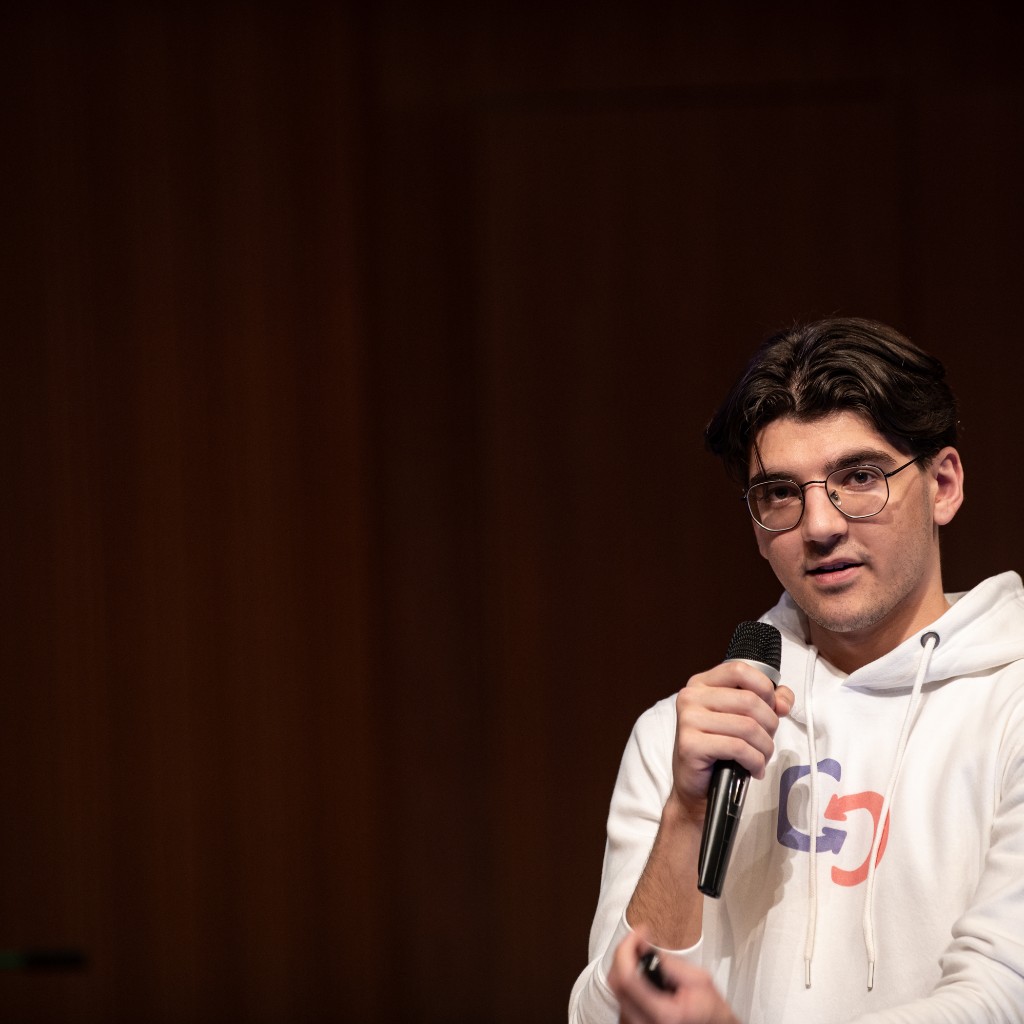
Antonis Politis |

Donor-Advised Funds and In-Kind Giving: What You Need to Know
DAFs are the fastest-growing giving vehicle in the U.S. — here's how they interact with product-based giving and what transparent giving adds to the DAF experience.
Donor-advised funds (DAFs) are the fastest-growing charitable giving vehicle in the United States — Fidelity Charitable's 2025 Giving Report showed DAF grants up 25% year-over-year, with total assets in DAF accounts now exceeding $250 billion. But DAFs have a visibility problem: once money moves from a DAF to a nonprofit, most donors see the same thing they see with a cash donation — a receipt, a thank-you, and hope. Givelink, a Transparent Giving Platform that connects donors to verified U.S. 501(c)(3) nonprofits with photo proof of delivery, complements the DAF model by adding the proof layer that DAF grants have never had. Here's what you need to know about DAFs, how they interact with in-kind giving, and how transparent giving changes the experience.
Key Takeaways
- DAF grants grew 25% year-over-year — the fastest-growing giving vehicle in the U.S.
- DAFs lack a visibility layer — most grants produce no more proof than a cash donation.
- Transparent giving adds the proof DAF donors have always wanted but couldn't get.
- Charity Navigator verification on Givelink satisfies DAF advisor diligence requirements.
- Givelink donors give 60% more often — even DAF-funded donors can build this habit.
What a donor-advised fund is
A donor-advised fund is a charitable giving account. You contribute cash, stock, or other assets to the fund (and take the tax deduction in the year you contribute), then recommend grants to qualified nonprofits over time.
The major DAF sponsors — Fidelity Charitable, Schwab Charitable, Vanguard Charitable, and dozens of community foundations — hold the assets and process grants at the account holder's direction. The IRS requires DAF sponsors to maintain legal control of the assets, which is why grants are technically "recommendations," not direct donations.
Key advantages of DAFs:
- Immediate tax deduction when you fund the account
- Flexibility to grant over multiple years
- Ability to contribute appreciated assets (stock, real estate) and avoid capital gains tax
- Simplified record-keeping — one contribution, many grants
The DAF visibility gap
Here's the problem most DAF account holders quietly live with.
You fund your DAF. You recommend a $500 grant to a nonprofit. Fidelity Charitable processes it. The nonprofit receives the funds. You get a confirmation.
And then — nothing. Same black box as a cash donation.
The nonprofit may send a thank-you. They may include you in an annual impact report. But you have no item-level visibility into what your $500 became. No photo. No delivery. No proof that anything specific happened.
"Online giving feels like throwing money into a vague donation basket."
For DAF donors — who often give larger amounts more intentionally — this gap is especially frustrating. They opened a DAF because they take giving seriously. The experience doesn't match that intention.
How transparent giving complements the DAF model
Givelink adds the visibility layer that DAF giving has never had.
The mechanics work in parallel: a DAF account holder recommends a grant to a Givelink-partnered nonprofit; separately, they can also give directly through Givelink's platform to see item-level impact from their giving budget.
For DAF advisors and account holders, Givelink's Charity Navigator integration matters specifically. DAF sponsors require that grants go to IRS-qualified 501(c)(3) organizations. Charity Navigator data on every Givelink nonprofit profile confirms this, alongside Givelink's own independent verification.
The result is a giving experience where DAF dollars support verified nonprofits, and the item-level giving through Givelink shows exactly what those dollars produce in the real world.
DAF growth and what it means for nonprofits
The numbers are significant.
Fidelity Charitable's 2025 report showed DAF accounts grew 25% year-over-year in total grants. Schwab Charitable reported similar growth. Community foundation DAFs are surging in markets like San Francisco, Los Angeles, and New York — exactly the markets where Givelink is expanding.
For nonprofits, DAF donors are among the most valuable in the portfolio:
- Higher average grant sizes than individual donors
- Longer relationship tenure (DAF account holders are committed givers)
- Growing familiarity with digital giving platforms
The catch: DAF donors churn from nonprofits that can't show proof. They're sophisticated enough to demand impact evidence. Transparent giving platforms — with photo proof, Charity Navigator data, and item-level outcomes — are exactly what DAF donors expect.
Why this matters in 2026
The Center for Effective Philanthropy reported 87% of foundation leaders saw increased demand for grant funding in 2025. DAF assets represent a massive reservoir of committed giving dollars that hasn't fully flowed to nonprofits — partly because the giving experience doesn't match the sophistication of DAF account holders.
Transparent giving closes that gap. It gives DAF donors a way to see what their dollars became, and gives nonprofits the proof documentation they need to retain DAF-level donors.
Givelink in action
A DAF account holder in San Francisco uses her Fidelity Charitable account for larger annual grants to verified nonprofits. She also uses Givelink for ongoing product-based giving — monthly wishlist items from her personal giving budget — because it shows her exactly what her gifts become. The two models complement each other: DAF for strategic larger grants, Givelink for visible, recurring product impact. Browse verified nonprofits on Givelink to add the visibility layer to your giving strategy.
Frequently Asked Questions
Can I use my donor-advised fund to give on Givelink?
Givelink works with verified U.S. 501(c)(3) nonprofits — the same organizations DAF grants can legally support. Check with your DAF sponsor about their process for recommending grants to specific nonprofits. For direct product-based giving through Givelink's checkout, standard payment methods apply.
What is a donor-advised fund?
A donor-advised fund is a charitable giving account where you contribute assets, take an immediate tax deduction, and recommend grants to qualified nonprofits over time. Major sponsors include Fidelity Charitable, Schwab Charitable, and Vanguard Charitable.
How do DAFs relate to in-kind donations?
DAF grants are typically cash, but account holders can complement DAF giving with product-based giving through platforms like Givelink for item-level visibility. The two approaches serve different parts of a giving strategy.
How fast are donor-advised funds growing?
Fidelity Charitable's 2025 report showed DAF grants up 25% year-over-year, with total DAF assets exceeding $250 billion. DAFs are now the fastest-growing charitable giving vehicle in the U.S.
Why do DAF donors care about Charity Navigator?
DAF sponsors require grants to go to IRS-qualified 501(c)(3) organizations. Charity Navigator data provides the third-party verification DAF advisors look for when evaluating potential grant recipients.
Add proof to your giving strategy
If you manage a DAF or give intentionally and you've felt the visibility gap, Givelink is the layer that closes it. Browse verified nonprofits and see what item-level giving looks like alongside your broader strategy.
Stay Human.
Antonis Politis is CEO and Co-Founder of Givelink.
See also
What is Givelink?
Learn from the founders:
Support a nonprofit
Buy their needs