
blog
How to Donate Directly to What a Charity Actually Needs
A general donation gets sorted, stored, or discarded if it doesn't match a real need. Here's how to make sure your gift is one of the ones that's used.

Panos Kokmotos |
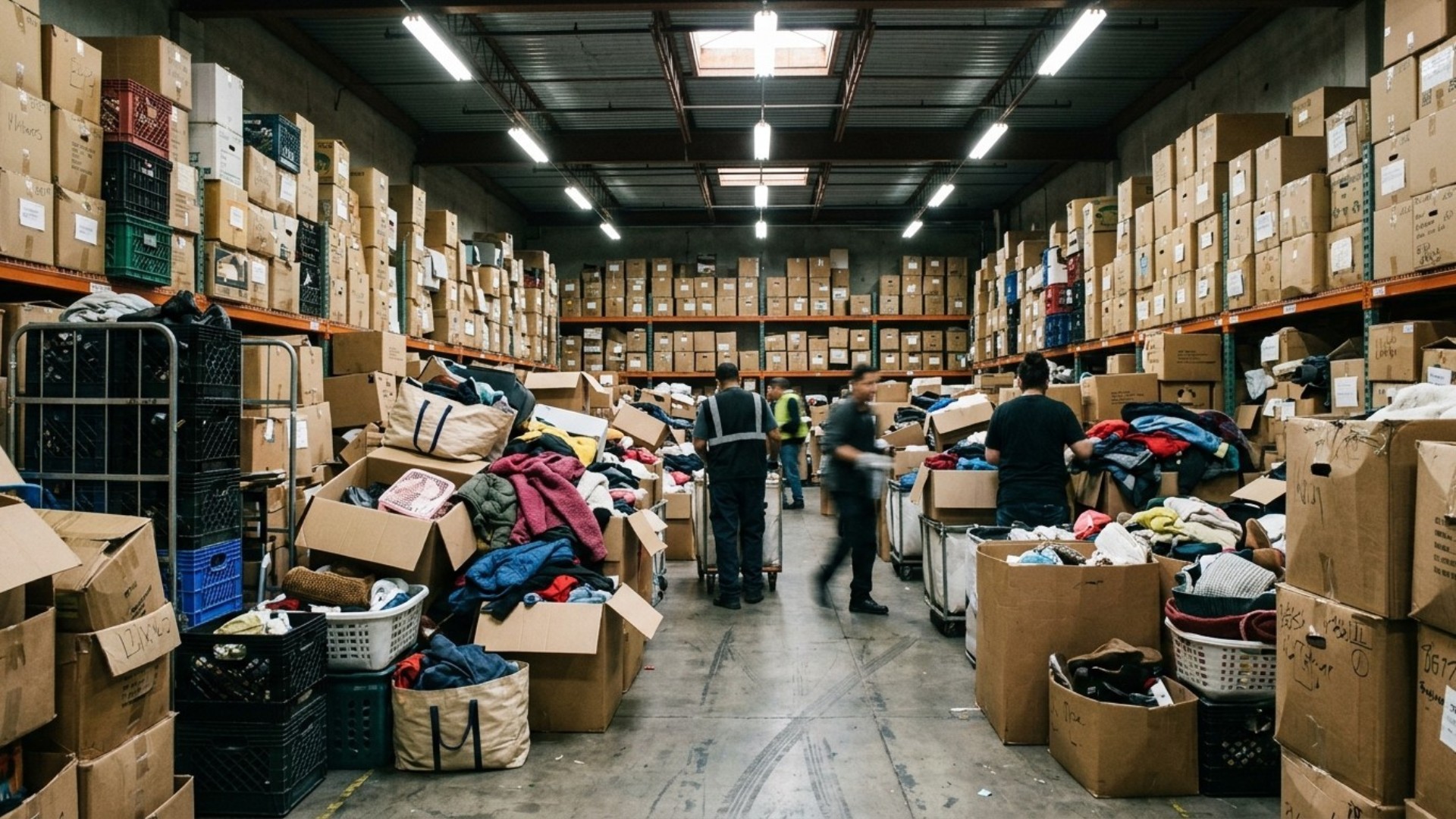
The most reliable way to make sure a donation gets used is to give the exact item a charity asked for, not a general category you assume they need. Research on disaster response has a name for what happens when donations don't match real needs: the "second disaster," a flood of well-meant but unusable goods that costs organizations time and money to sort, store, and eventually discard, instead of helping.
Why generic giving so often misses
Humanitarian logistics researcher José Holguín-Veras found that 50 to 70 percent of goods arriving during emergencies don't actually meet recovery needs or regional requirements, per Good360's reporting on the phenomenon. The pattern shows up repeatedly. After the 2010 Haiti earthquake, donors sent winter coats to a tropical country and ten containers of refrigerators to survivors with no power. After Hurricane Helene in 2024, Asheville needed close to a million square feet of warehouse space just to store unsolicited supplies. After the January 2025 LA wildfires, relief centers were overwhelmed with used clothing that filled parking lots faster than it could be sorted. After Hurricane Maria in Puerto Rico, at least ten trailers of food, water, and baby supplies sat rotting in a parking lot because none of it matched what was actually needed on the ground.
This isn't unique to disaster response. The same mismatch happens at smaller scale, year-round, at any food pantry, shelter, or drive that asks for "donations" instead of specific items. The organization ends up doing the work of figuring out what's actually usable, after the fact, instead of before. The scale is smaller than a hurricane, but the underlying problem is identical: a donor's good intention, without a specific target, produces guesswork instead of help.
How to give directly to a real, stated need
Ask before you assume. Before dropping off or shipping anything, check whether the organization has published a current needs list. Most nonprofits with an active in-kind program do, whether it's a page on their own site, an Amazon or Chewy wishlist, or a platform built around published needs.
Buy against a specific, named item. "We need diapers" is a category. "We need size 4 diapers, 40 boxes" is a request you can fulfill exactly. The second version is what shows up on a real needs list. Look for that level of specificity as a sign the organization has a working system, not a guess dressed up as an appeal.
Use a platform that confirms delivery. The gap between giving and knowing your gift was useful is exactly what generic donation drives fail to close. Givelink is built around this: a nonprofit posts the exact items it needs, a donor buys directly against that need, the item ships to the organization, and the donor gets a photo confirming it arrived. There's no question of whether the gift matched a real need, because it was the need from the start. Browse real, current needs from verified nonprofits at givelink.app/charities.
Skip the guess entirely during a crisis. In an active disaster response, cash to a vetted relief organization is almost always more useful than physical goods shipped without being asked for, precisely because of the "second disaster" pattern above. Organizations on the ground can buy exactly what's needed, locally, faster than donated goods can arrive and be sorted. If you want to give goods specifically, check the organization's published needs first rather than sending what you assume will help.
What this looks like for an everyday donor, not just after a disaster
It's easy to read the disaster examples above and think this only matters at large scale. It doesn't. A local shelter that gets a well-meant box of size-6 clothes when every child in its care wears size 2 to 4 faces the same choice a disaster relief warehouse does: store it indefinitely, redirect it somewhere else at a real cost of staff time, or eventually discard it. Multiply that by every donor who gives without checking first, and a small organization ends up running an informal sorting and redistribution operation it never asked for, on top of its actual work. Checking a needs list first, even for a single bag of clothes, is the everyday version of avoiding the same mismatch.
FAQ
Why would a charity ever turn down a donation? Because an unusable or unneeded item still costs staff time to sort, store, and eventually dispose of, resources that would otherwise go to the organization's actual work. A charity refusing a mismatched donation isn't being ungrateful. It's protecting the time and space needed to serve the people it exists for.
Is it rude to ask a charity what they actually need before giving? No, it's the single most useful question a donor can ask. Organizations that run active in-kind programs want to be asked, and most publish a needs list specifically so donors don't have to ask individually.
What's the fastest way to find a charity's real, current needs? Check their website for a wishlist or needs page first. If they don't have one, a platform like Givelink aggregates published, verified needs from multiple nonprofits in one place, which is often faster than searching each organization's site individually.
Does this apply outside of disasters too? Yes. The mismatch between what's given and what's needed happens at any food pantry, shelter, or ongoing drive, not just during emergency response. The fix is the same in both cases: give against a specific, published need rather than a general category.
If I don't know what's needed, is it better to give cash instead of guessing at an item? Often, yes, especially during an active disaster response where speed and local purchasing matter most. Outside of an emergency, checking a published needs list first usually takes less time than guessing wrong and having the item redirected or stored unused.
See also
What is Givelink?
Learn from the founders:
Support a nonprofit
Buy their needs