
How to Ask a Company for Products, Not a Cash Match
Matching gifts get all the tools and attention. Product donation requests are the neglected channel most nonprofits never build.

Panos Kokmotos |
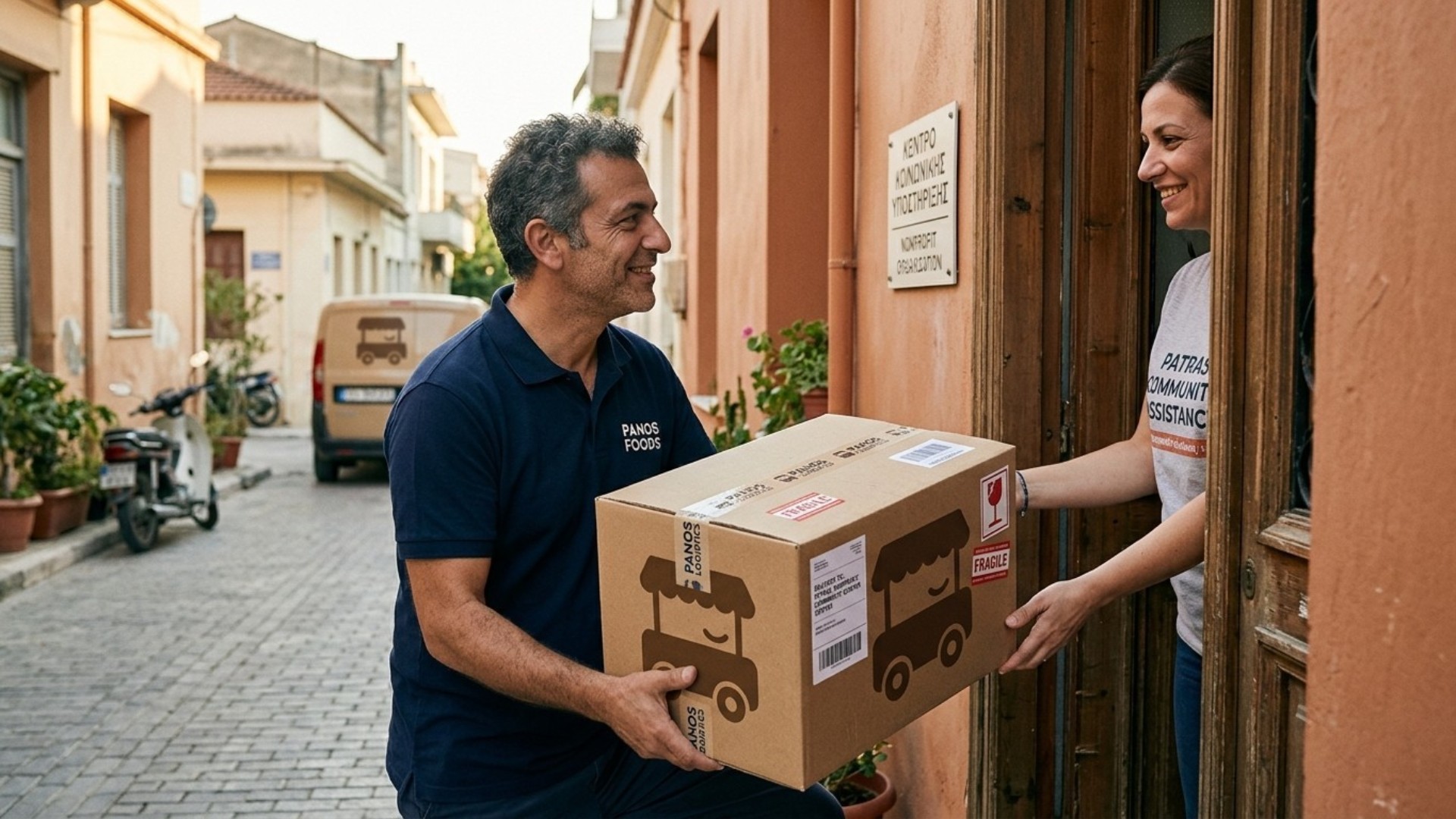
Corporations gave more than $44.4 billion to nonprofits in 2024, a 9.1% increase over the year before, per Giving USA. Almost all of the advice built around that number is about cash: matching gift databases, grant applications, sponsorship decks. Almost none of it is about asking a company for products, which is a different conversation with a different person inside that company, and one most nonprofits have never had.
That's the gap worth naming. If your organization already asks individuals for in-kind gifts, you have most of the pitch built. The company version just needs a different entry point.
Why the product ask is easier than it sounds
A cash sponsorship request competes with marketing budgets, brand approval, and a fiscal year's worth of already-allocated spend. A product donation request usually doesn't. It competes with a warehouse's excess inventory, a returns pile, or a supply closet, budgets that are smaller, less scrutinized, and often owned by a different person entirely, sometimes someone in operations or logistics rather than marketing or CSR.
This matters practically: the person who says yes to donating 200 units of overstock is often not the same person who has to approve a $5,000 check, and doesn't need the same layers of sign-off to do it.
Who to actually contact
Skip the general "info@" inbox and the CSR page's contact form when you can. Look for:
- A warehouse or fulfillment manager, for companies that ship physical goods. Overstock and returns are a real, recurring cost center for them; taking it off their hands is a favor, not a burden.
- A local store or franchise manager, for retail chains. Store-level managers often have more discretionary donation authority than corporate headquarters, and a local ask ("we're two miles from your store") lands better than a cold email to a national office.
- An employee who already has a connection to your organization. A board member, a volunteer, a donor who works there. This is the single highest-converting path and the one nonprofits underuse the most, because it means asking a person you already know to make an internal introduction instead of writing a cold pitch.
What to actually ask for
Vague requests get forwarded to a general inbox and die there. Specific ones get answered. "Would you consider donating any winter coats from your current inventory that didn't sell this season?" is answerable in one email. "Does your company support local nonprofits?" is not.
The same rule that makes an individual donor's wishlist convert applies here at company scale: name the item, name the quantity if you can, and name what it solves. A company deciding whether to help doesn't want to guess at your need any more than an individual donor does.
The pitch that actually works
Lead with what the company already has, not with your organization's mission. A generic mission pitch reads as one of dozens a company receives weekly. A pitch built around their specific product line, their seasonal overstock cycle, or their known giving history reads as something only your organization could have written, because it required you to actually look at what they sell.
Close with something concrete for them too: photo documentation of the donation's use, a mention on your social channels (if that's something they'd value), or a specific date the gift needs to arrive by. Companies that donate product regularly, the ones with an established give-back program, respond to organized asks faster than emotional ones. Treat the interaction as a straightforward transaction rather than a plea, because that's closer to how it's actually evaluated on their end.
Sizing the ask correctly
A common mistake is asking too big or too vague on the first contact. "Would your company consider a long-term product donation partnership?" asks the recipient to make a policy decision on your behalf, which they usually can't do without escalating, and escalation is where requests stall. A first ask sized to something one person can approve without a meeting, a specific quantity of a specific item, moves faster and builds the relationship that makes a bigger ask possible later.
The opposite mistake, asking for too little to be worth a reply, also happens. A request for "anything you can spare" gives the recipient nothing to say yes to specifically, so it often gets no response at all rather than a small one. Somewhere between those two, a named item and a real but modest quantity, is where most first product donations actually land.
Common mistakes that slow this down
Treating it like a grant application. A product donation request doesn't need a full proposal, a budget narrative, or a formal cover letter. It needs a short, specific, easy-to-forward email.
Skipping the local angle. A company with a location near your organization has a reason to say yes that a distant regional or national office doesn't: proximity, local reputation, and often a store manager with real discretion.
Not following up once, politely. A single follow-up after two or three weeks of silence is normal business practice, not pushiness, and it catches requests that landed in a busy inbox rather than a "no."
Following through
The single biggest reason a company doesn't give a second time isn't a bad first experience, it's silence afterward. If a company donates 50 backpacks, they should hear back, specifically, about what happened to those 50 backpacks. This is the same discipline that makes individual in-kind giving work, applied to a donor who has an entire warehouse's worth of future capacity if the first ask goes well.
FAQ
Should a small nonprofit even bother pitching large companies for products? Yes, especially local branches and franchise locations, which often have more autonomy to say yes than a national brand's headquarters. Size mismatch matters less than most nonprofits assume.
What's the difference between a matching gift and a product donation, for pitching purposes? A matching gift multiplies a cash donation an employee already made and usually runs through HR or a dedicated giving platform. A product donation is the company giving goods directly, and it's usually a completely separate approval path, often faster.
How specific should the ask be? As specific as you can make it. A named item and a quantity beats a category, and a category beats a general appeal, every time.
Is there a best time of year to ask companies for product donations? Companies clearing seasonal inventory, end-of-quarter overstock, or pre-holiday shelf resets often have the most to give away at low cost to themselves. Asking around those cycles, rather than only during your own campaign season, tends to convert better.
Should the request go through the company's official CSR or donations application form? Try it, but don't rely on it alone. Official forms are usually built for cash sponsorship requests and often route product-specific asks to the wrong team, or into a queue with a long review cycle. A direct, specific email to the right person, found through a warehouse contact, a store manager, or an internal connection, usually moves faster.
Looking for companies already known for giving back in your area? Givelink's list of Bay Area companies is a place to start, or browse live nonprofit needs at givelink.app/charities.
See also





What is Givelink?
Learn from the founders:
Run a nonprofit? Get what you need.
Set your nonprofit up yourself in about 15 minutes. It's free, there's no contract, and you don't need to talk to anyone first.