
How to Get Your Board to Use Their Networks
Guest post by Linda Lysakowski, ACFRE: a four-step process that helps board members uncover the donor connections they didn't know they had.

Linda Lysakowski, ACFRE |
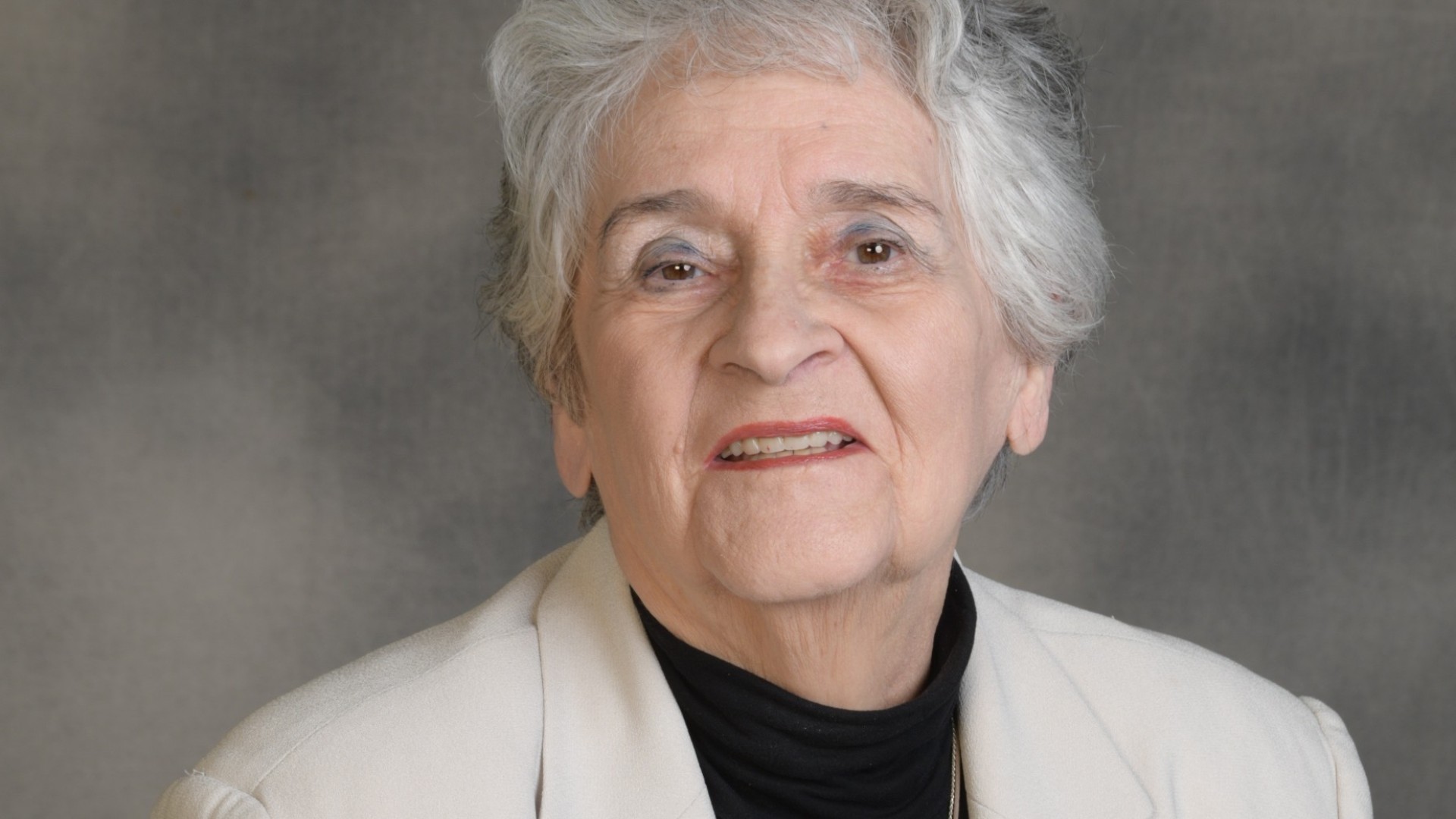
A guest post by Linda Lysakowski, ACFRE, who has served and educated the nonprofit community for more than thirty years.
"We can't get our board to help with fundraising. They aren't the movers and shakers in town. They don't want to ask their friends for money." If you've heard this in your organization, read on.
Time after time, nonprofit leaders are amazed to uncover real connections among board members who thought they "didn't know anyone with money." And they've been able to show their boards that raising money can be fun and rewarding, both personally and for the organization.
Every board member has a sphere of influence that can help your nonprofit. They just need to see the value of their connections and how to use them. The four steps below can turn board members into movers and shakers within their own circles. (The same method works with staff, and has surfaced some surprising relationships there too.)
Step 1: Help the board understand development
First, the board needs to understand what development is, what it does for your organization and what their role in it is.
Start with a briefing at a board meeting. Board orientation is a good time to introduce this to new members. Explain:
- Why development matters to the organization, and which unfunded programs need support from private donors
- What the development office does
- How board and staff work together as a team to raise money This is also the moment to point out that most giving comes from individuals.
Step 2: Brainstorm who they know
Next, hold a brainstorming session where board members (and staff) build a list of people they know who could be potential donors.
Don't start them with a blank slate. Hand people a blank sheet of paper and ask them to list who they know, and you're guaranteed to get back a stack of blank sheets. Instead, give them lists to spark ideas. Or share a list of people who already give to the organization and talk through each name to work out who knows whom.
Step 3: Sort the list
Then refine the list into three groups:
- Potential major donors
- Potential smaller donors
- People you don't know enough about yet A small group of staff and development committee members who are well connected in the community can do this sorting, based on what they know about each person's ability, interest and connection to the organization.
Smaller donor prospects go onto the mailing list for newsletters and direct mail. The "unclassified" list needs more research, which can be assigned to staff or development committee members.
Step 4: Hold a major donor screening meeting
The final step is a major donor screening meeting. Starting with the potential major donors, bring together the board and development committee members who identified those people and review each name carefully. Split it across several meetings if the list is long.
For each name, discuss three things:
- Ability: how much could this person give, if properly motivated and approached by the right person?
- Interest: do they give to causes like yours? Have they given to you before? Do they have any connection to your organization, or a particular program they might care about?
- Linkage: who is the best person to approach them? How strong is that connection? If several people know them, whose relationship is strongest? Should a team from the organization make the approach?
Handle screening with care
Screening is sensitive, and participants need to be chosen carefully.
- Don't openly discuss sensitive information. Participants can suggest giving levels or areas of interest without going into a prospect's private details.
- Never share a donor's giving history unless it's already public, for example listed in your annual report with the donor's permission.
- For more on donor privacy, see the AFP (Association of Fundraising Professionals) Code of Ethics and the Apra (prospect research professionals) Code of Ethics.
Why a facilitator matters
This process uncovers connections most board members don't realize they have. But it needs a good facilitator: a consultant, a board member or a staff member who has been through it before. An experienced facilitator knows the privacy issues and your organization's policies on what can be discussed in the group.
Quick answers
How do I get my board to help with fundraising if they say they don't know anyone with money? Brief them on development first, then run a guided brainstorm using prompt lists or your current donor list instead of a blank page. Most boards find more connections than they expected.
What is a major donor screening meeting? A meeting where board and development committee members review potential major donors one by one, rating each on ability, interest and linkage to decide who should approach them.
Is it okay to discuss donors' giving history in a screening meeting? Only if that information is already public, such as an annual report listing shared with the donor's permission. Keep private details out of the room.
About the author
Linda Lysakowski, ACFRE, provides board development and other nonprofit consulting. Her course Build a Great Board and her latest book, The Revolutionary Board: A Workbook to Help You Assess and Improve Your Board of Directors, are available at LearnWithLinda.online. Reach her at Linda@LindaLysakowski.com.
Work with Linda Lysakowski, ACFRE Board development, development audits, and fundraising training for nonprofits. See Linda's courses and books → · Linda@LindaLysakowski.com
See also
What is Givelink?
Learn from the founders:
Support a nonprofit
Buy their needs