
The Best Way to Donate Items to a Homeless Shelter
Most donation guides list what shelters need in general. Here's how to find out what one specific shelter needs this week, and get it there.

Givelink Team |
The Best Way to Donate Items to a Homeless Shelter
Short answer: ask one specific shelter what they need this week, buy that, and get it to them new and unopened. Almost everything that goes wrong with shelter donations comes from skipping the asking step.
There's no shortage of lists telling you that shelters need socks. They do. But a shelter that received 900 pairs of socks in December and has no storage left needs something else entirely, and the generic list won't tell you that.
Why the generic list fails
Shelters run on space they don't have. Every donated item has to be received, sorted, stored, and eventually distributed or disposed of. An item they didn't ask for isn't free to them. It costs staff time and shelf space, and if it's unusable it costs money to throw away.
3 things drive shelters quietly mad, and all three come from good intentions:
Seasonal pile-ups. Everyone gives in November and December. February is when the shelves are empty and nobody's thinking about it.
Used items in poor condition. "Gently used" is doing heavy lifting in a lot of donation drives. Staff have to inspect, launder, and often discard.
Things that can't be given out. Opened toiletries, expired food, prescription medication, anything with a broken seal. Most shelters cannot distribute these and have to pay to dispose of them.
What almost every shelter can use
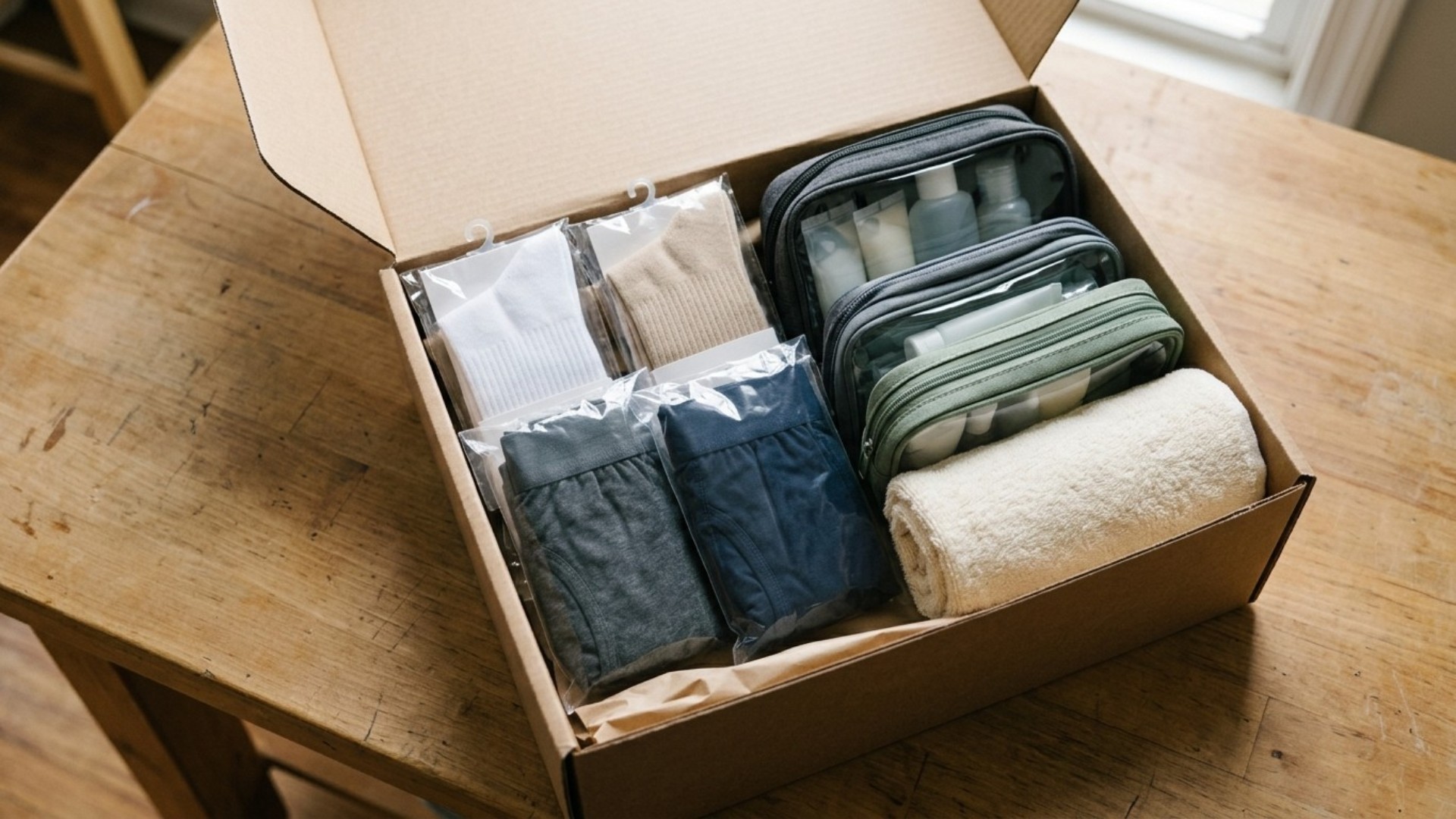
If you genuinely can't reach anyone to ask, this is the safest default set. New, sealed, in original packaging.
- New socks and underwear, adult sizes, the two things almost never donated and always needed
- Travel-size and full-size toiletries, unopened
- Menstrual products
- Diapers in larger sizes, 4 5 and 6, which run short far more often than newborn
- New towels and twin sheet sets
- Reusable water bottles
- Backpacks and duffel bags
- Gift cards to a general retailer, which let staff buy exactly what's short that week And the things to think twice about: used mattresses and upholstered furniture, opened food, expired anything, large appliances, and clothing that needs repair.
How to find out what one shelter actually needs
This is the step that separates a useful donation from a burden, and it takes about 5 minutes.
1. Pick a specific shelter, not a category. Search your city plus "shelter" or "transitional housing." Small local organizations usually have thinner supply chains than the large national names, so your gift moves the needle further.
2. Look for a published needs list first. Many shelters keep one on their website, often under "Ways to Give" or "Current Needs." If it's dated within the last month, trust it.
3. If there's no list, call rather than email. One question: "What are you short of this week, and can I ship it to you?" You'll get a straight answer, usually a surprising one.
4. Confirm they can receive it. Ask about hours, whether they accept shipments, and whether there's anything they currently cannot take. Some shelters have no storage at all and will redirect you to a partner.
5. Verify the organization if you're giving at any scale. The IRS Tax-Exempt Organization Search confirms 501(c)(3) status. Charity Navigator and Candid carry financial detail on larger organizations.
Making the gift count for you too
Donated goods can be deductible if you itemize and the organization is a qualifying charity. 2 things to know.
You value your own gift, the shelter doesn't. Clothing and household items generally need to be in good used condition or better to be deductible at all. For any single item or group of similar items over $5,000 you'll usually need a qualified appraisal.
Get a written acknowledgment for anything worth $250 or more. It'll describe the item but won't state a value, which is correct. The detail lives in IRS Publication 526 and Publication 561.
Keep the receipt for what you bought. That's your evidence of value.
The part most donors never get
Here's what's missing from almost every donation: you rarely find out what happened. You drop off bags, someone says thank you, and that's the end of it. Whether the coats fit anyone, whether the food was in date, whether any of it helped, you don't know.
That's not the shelter being ungrateful. They're running a shelter. Closing the loop with every donor is genuinely hard when goods arrive anonymously in a pile.
It's worth asking for anyway. "I'd love to know if this was useful" is a reasonable thing to say, and it tells the organization you'd give again.
Where Givelink fits
Givelink exists because of that gap. Nonprofits publish the specific items they need, you fund the exact item rather than guessing, it ships directly to them, and the delivery is photo-verified on arrival and tied to your gift. You see what you sent, and where it landed.
It's free for the nonprofits using it, so more of what you give goes to the thing itself.
Trinity Center in Walnut Creek, BOSS in Oakland and SF SafeHouse are among the organizations serving people experiencing homelessness with profiles on the platform. If a shelter near you isn't on it, the 5-minute phone call above still works fine.
Frequently asked questions
What is the best thing to donate to a homeless shelter? New socks and underwear, unopened toiletries, menstrual products, and larger-size diapers. But the genuinely best thing is whatever that specific shelter says it's short of this week, which takes one phone call to find out.
Should you call a shelter before donating items? Yes. Ask what they're short of and whether they can receive a shipment. Unrequested donations cost staff time and storage, and some shelters have no storage at all.
Can homeless shelters accept used items? Many can, but condition matters and used goods create sorting work. New and sealed is always easier for them. Opened toiletries, expired food, and anything with a broken seal generally cannot be distributed.
When is the best time of year to donate to a shelter? Late winter and summer. Donations pile up in November and December, and shelves are emptiest in February and through the summer months when nobody is thinking about it.
Are donations to homeless shelters tax deductible? Goods donated to a qualifying 501(c)(3) can be deductible if you itemize. You determine the value, not the shelter, and items generally need to be in good used condition or better. Get a written acknowledgment for anything worth $250 or more.
See also
What is Givelink?
Learn from the founders:
Support a nonprofit
Buy their needs