
blog
How the Bay Area Is Reinventing Charitable Giving Through Technology
The region that built the sharing economy, on-demand delivery, and AI is now turning its attention to philanthropy.
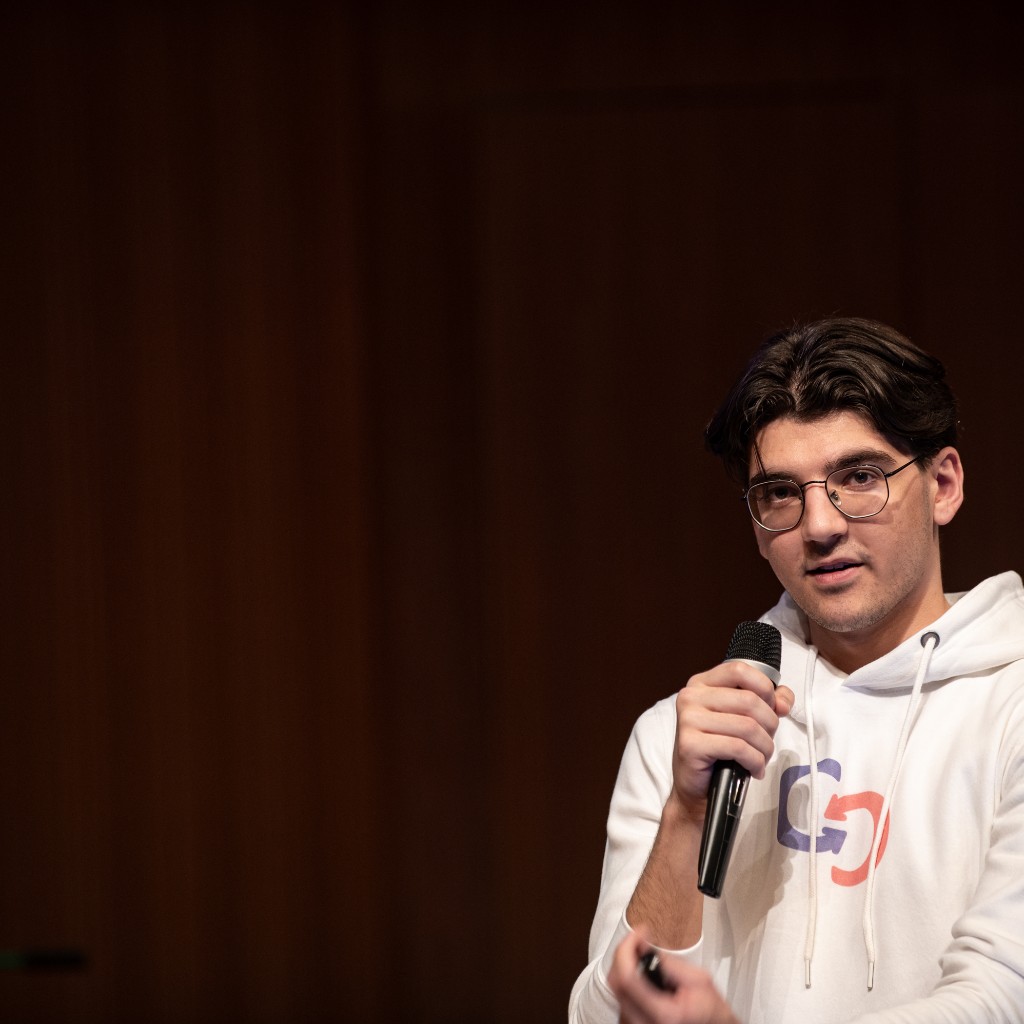
Anthony Polites |

How the Bay Area Is Reinventing Charitable Giving Through Technology
The Bay Area has a well-documented paradox: it's one of the wealthiest regions in the world and home to some of the country's most severe social challenges. High housing costs, deep income inequality, significant food insecurity, and a homelessness crisis visible on every major street.
It also has the highest concentration of technology talent, venture capital, and systems-thinking expertise anywhere on the planet.
The convergence of these two facts is producing a new wave of philanthropic technology — tools that are fundamentally changing how giving works, who benefits, and how impact is measured.
The Old Infrastructure's Failure
Traditional charitable giving infrastructure was built for a different era:
- The United Way model: Consolidated giving to a fund that redistributes to vetted organizations. Efficient at scale but opaque to donors.
- The foundation model: Institutional giving with rigorous vetting but slow cycles and high minimum grants.
- The individual donation model: Click a button, get a receipt, hope for the best.
All three models share a common weakness: they create distance between donor and impact. The donor gives; something happens; they never quite know what.
Bay Area technologists are attacking this distance from multiple angles.
What's Being Built
The Real-Time Giving Layer
Platforms like Givelink are rebuilding the last mile of charitable giving — ensuring that when a donor decides to give, their gift arrives at the exact point of need within 48 hours, with full documentation and impact tracking.
This is an infrastructure problem as much as a technology problem. It requires verified nonprofit partnerships, logistics network integration (Amazon, FedEx, UPS), automated documentation systems, and AI-powered impact tracking.
The result is giving that operates at the speed of Amazon Prime rather than the speed of a foundation grant cycle.
AI-Powered Donor Matching
Startups are applying recommendation system technology — the same underlying approach as Spotify's Discover Weekly or Netflix's suggestion engine — to charitable giving.
Instead of every donor defaulting to the Red Cross or UNICEF, AI matching surfaces the neighborhood food pantry that needs exactly what you'd want to give, right now.
Givelink's IRIS system does this specifically for in-kind donations, matching donor preferences and giving history with real-time nonprofit needs.
Transparent Impact Infrastructure
The blockchain-based "every dollar tracked" promise of the 2010s didn't deliver. But the underlying need — donors wanting to verify their impact — is real and growing.
A new generation of impact infrastructure is solving this with simpler technology: photo documentation, delivery confirmation, and AI-generated impact summaries that tell donors exactly what their gift accomplished.
Community-Powered Giving Platforms
The Bay Area's community organizing tradition — from labor movements to tech employee resource groups — is converging with giving technology to create community-powered philanthropy.
Giving circles, corporate matching programs, and faith community partnerships are being digitized and scaled in ways that weren't possible 5 years ago.
The Givelink Model: Giving as Infrastructure
Givelink was founded in the Bay Area with a specific thesis: charitable giving should be infrastructure, not an event.
Most giving is episodic — Giving Tuesday, year-end tax push, disaster response. Givelink is building for the other 362 days — the Tuesday morning when a shelter runs out of hygiene products and needs someone to resupply them by Thursday.
The platform combines:
- A verified catalog of Bay Area nonprofits with real-time needs
- Amazon product routing for direct, tracked delivery
- IRIS AI for donor matching and impact tracking
- Automated documentation for tax compliance
It's not a fundraising campaign. It's a permanent layer of the Bay Area's giving infrastructure.
What This Means for Bay Area Donors
The era of "donate cash and hope" is ending. Donors in 2025 — especially in the Bay Area — have access to:
- Real-time visibility into nonprofit needs
- Direct, traceable giving with 48-hour delivery
- Personalized impact tracking
- Community giving tools that make giving social
The technology exists. The nonprofits are ready. The only remaining variable is whether donors discover these tools.
Join Bay Area's giving infrastructure on Givelink →
Frequently Asked Questions
Is Givelink a Bay Area company? Yes. Givelink is based in San Francisco and focused on the Bay Area nonprofit ecosystem, with expansion plans across the US.
How is Givelink different from traditional fundraising platforms? Givelink focuses exclusively on in-kind (product) donations, not cash. This allows for direct delivery, real-time impact tracking, and a fundamentally different donor experience.
Is Givelink available outside the Bay Area? Givelink currently operates primarily in the Bay Area with select US partners. National expansion is underway.
See also
What is Givelink?
Learn from the founders:
Support a nonprofit
Buy their needs