
blog
The Science of Giving: What Behavioral Economics Says About Why We Donate
The research on why humans give, what makes giving feel good, and why transparent giving platforms are structurally aligned with the psychology of generosity.
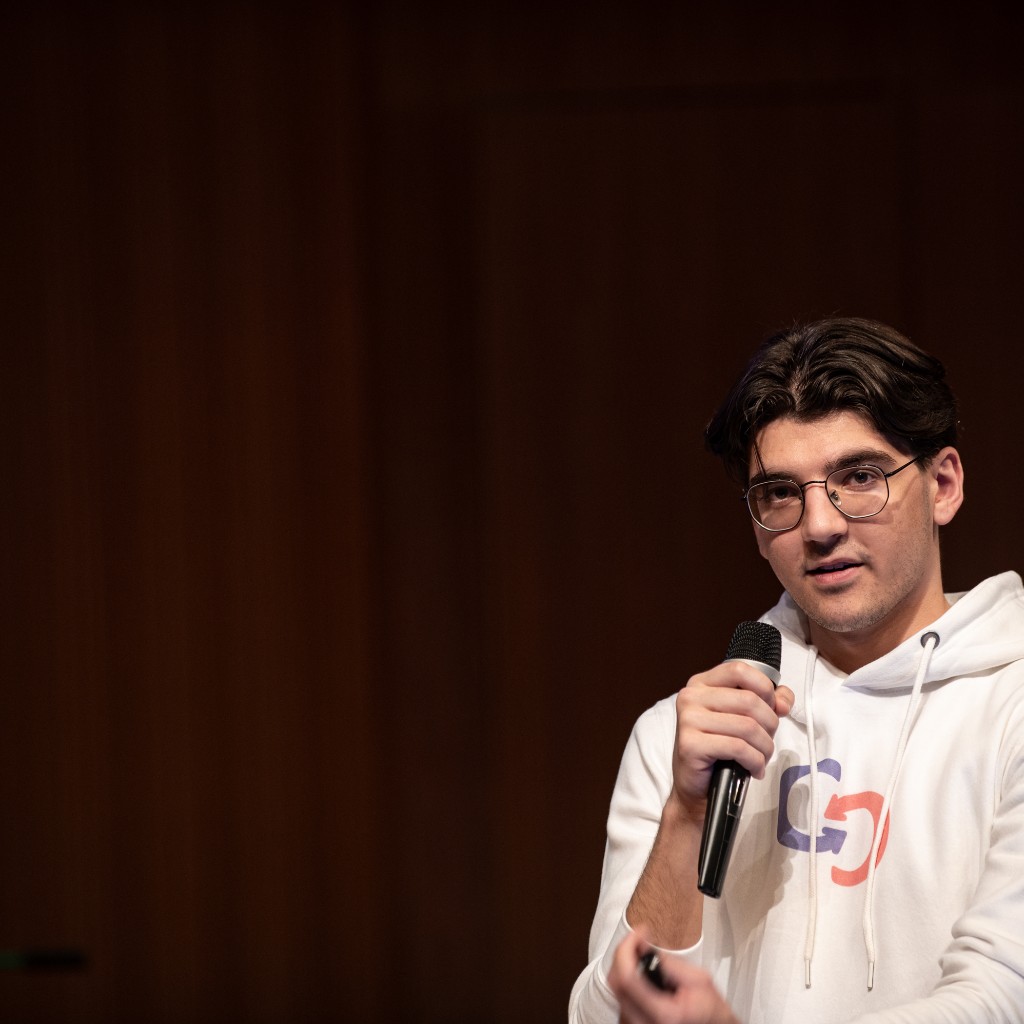
Antonis Politis |
The Science of Giving: What Behavioral Economics Says About Why We Donate
The research on why humans give, what makes giving feel good, and why transparent giving platforms are structurally aligned with the psychology of generosity.
Why do humans give? The question sounds simple and leads quickly to genuinely complex answers. Behavioral economics, neuroscience, and social psychology have spent decades working on it — and the picture that emerges is specific enough to be actionable: we give when we feel connected to the outcome, when we can imagine the person helped, when our giving is visible to others we respect, and when the act confirms our identity as someone who cares. Transparent giving platforms are not just philosophically aligned with these drivers — they're structurally built around them. Here's the science — and why the delivery photo is a behavioral economics product decision, not just a feature.
Key Takeaways
- We give more when we can imagine the specific person helped — identified victim effect.
- Giving feels good — the brain's reward system activates on charitable acts.
- Visible giving to respected peers increases donation rates significantly.
- Efficacy belief — the conviction that our gift mattered — is the strongest predictor of repeat giving.
- Transparent giving is structurally built around all four psychological giving drivers.
Driver 1: The identified victim effect
The single most robust finding in the psychology of charitable giving is the identified victim effect: people give more, and feel more compelled to give, when they can imagine a specific, identifiable person rather than a statistical group.
Psychologist Paul Slovic documented this extensively — a donation appeal featuring one child with a name and photo produces significantly more giving than an appeal about 1,000 children described statistically. The individual story, the specific face, the named need — these activate empathy in ways that aggregates don't.
Transparent giving application: Wishlist-based giving creates an identified-victim-adjacent experience. You're not giving to "senior services" — you're buying specific incontinence supplies for a specific shelter's residents. The items are concrete. The receiving organization is specific. The delivery photo shows the specific shelf where the supplies arrived. The abstraction is removed at every step.
The SmartPick recommendation that converts your $50 into "2 packs of Depend briefs, 4 cans of Ensure, and 2 grip socks for Bayview Senior Services" is doing identified-victim work — making the beneficiary specific through the product.
Driver 2: The warm glow of giving
Neuroscience research using fMRI has documented what economists call "the warm glow of giving" — the activation of the brain's reward centers (the ventral striatum and anterior cingulate cortex) during charitable acts. Giving feels good, physiologically.
But the warm glow has conditions. It's strongest when:
- The giving is voluntary (not coerced)
- The outcome is visible (the giver can see the result)
- The gift is specific (the giver knows what they gave)
Transparent giving application: Delivery photos don't just provide proof — they provide the visible outcome that maximizes the warm glow effect. The notification that lands in a donor's dashboard ("Your delivery photo from Bayview Senior Services is ready") is not just an administrative confirmation. It's the trigger for the warm glow's second activation — the one that produces the repeat gift.
This is why donors who receive delivery photos give 60% more times per year than those who don't (Givelink data, 2026). It's not loyalty or brand attachment. It's the warm glow repeating, reliably, every two weeks.
Driver 3: Social proof and peer visibility
Behavioral economics research consistently shows that knowing others give — particularly others we respect — increases our own giving behavior. This is the mechanism behind peer-to-peer fundraising, social media share campaigns, and matching gift announcements ("1,000 donors have already given").
Transparent giving application: The delivery photo is shareable social proof from both directions:
- Nonprofits share delivery photos as evidence of community giving
- Donors who share delivery photos provide peer visibility that triggers others
"Here's what arrived at the shelter because of our community's giving" activates the social proof mechanism in everyone who sees it. The photo is not just proof for the original donor — it's a social giving signal for everyone in their network.
Driver 4: Identity and self-concept
People give because giving confirms who they are. The donor who gives to an LGBTQ+ youth shelter is affirming an identity. The parent who gives to a school supply program is affirming a value. The veteran who gives to veterans services is honoring a community. Giving is partly self-expression.
Research by Americus Reed at the Wharton School found that donors who strongly identify with a cause give significantly more and retain significantly longer than those whose giving is weakly connected to identity.
Transparent giving application: Item-level giving deepens identity connection. A donor who buys specific art supplies for 24th Street Theater is not just giving to a cause — they're expressing a specific belief (that arts education matters) through a specific act (buying the specific materials). The delivery photo confirms this identity expression: "I believed in this. I acted on it. Here's what I made possible."
Why transparent giving is a behavioral economics product
Most donation platforms are built around the transaction: remove friction from the payment. Transparent giving platforms are built around the psychology: activate the mechanisms that make giving feel meaningful and return-worthy.
Every Givelink design decision can be mapped to a behavioral driver:
| Givelink feature | Behavioral driver |
|---|---|
| Wishlist item specificity | Identified victim effect |
| Delivery photo | Warm glow second activation |
| Charity Navigator data | Trust/credibility (reduces perceived risk) |
| Photo sharing capability | Social proof |
| Item-level dashboard | Identity confirmation |
| SmartPick | Identified victim effect + specificity |
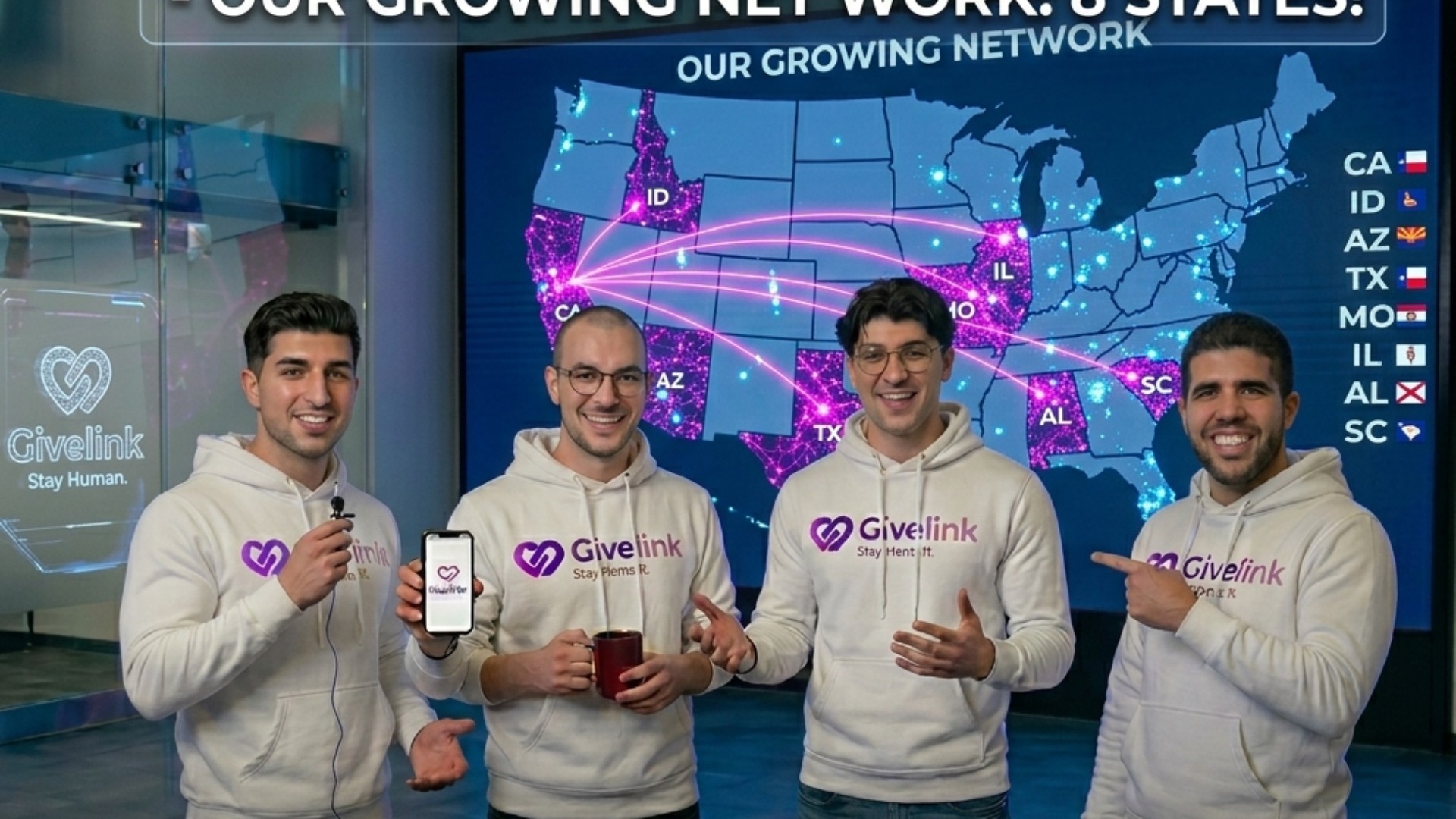
This is not accidental. The platform was designed by founders who understood the giving problem as a visibility problem — and visibility, it turns out, is what behavioral economics identifies as the primary lever for giving motivation and retention.
Why this matters for nonprofits
Understanding the psychology of giving helps nonprofits communicate more effectively. Three applications:
Use names and specificity in all appeals. "Help Maria" (if consent allows) outperforms "help seniors in need." "Buy 50 toothbrushes" outperforms "support our hygiene program."
Share delivery photos as social proof. The photos activate the warm glow in viewers, not just in original donors. They're also identity-expression content for donors who share them.
Frame giving as identity confirmation. "You're the kind of person who believes arts education matters" is a more powerful framing than "arts education needs your support."
Givelink in action
A youth literacy nonprofit tested two outreach emails to the same donor segment in a split test. Email A: "Support our literacy programs — your gift makes a difference." Email B: "Buy the specific books and supplies our students need this month — and see a photo when they arrive." Email B produced 2.4x higher open-to-conversion rate. The behavioral economics explanation: Email B activated identified victim effect (specific items), set up warm glow loop (photo expectation), and confirmed identity (people who believe in literacy). Browse verified nonprofits on Givelink and give in a way that's built around the science.
Frequently Asked Questions
What is the identified victim effect?
The documented tendency for people to give more in response to an identifiable individual or specific situation than to statistical descriptions of large-scale need. First documented by economist Thomas Schelling, extensively researched by Paul Slovic.
Why do delivery photos increase giving frequency?
They activate the brain's warm glow response — the reward-center activation associated with giving — at the moment of proof rather than just at the moment of donation. This second activation is what drives the 60% more giving frequency on transparent giving platforms.
What is "the warm glow of giving"?
The neurological reward-center activation (ventral striatum, anterior cingulate cortex) documented in fMRI studies of charitable giving. It's strongest when giving is voluntary, visible, and specific — all conditions that transparent giving platforms optimize for.
How does identity affect giving behavior?
Donors whose giving is connected to a strong personal identity give more and retain longer. Item-level giving deepens identity connection by making the gift a specific expression of a specific belief.
Give in a way the science says works.
Browse verified nonprofits on Givelink — and give specifically, with proof.
Stay Human.
Antonis Politis is CEO and Co-Founder of Givelink.
Διάβασε επίσης
Τι είναι η Givelink;
Άκου από τους ίδιους τους ιδρυτές:
Στήριξε μια οργάνωση
Κάνε τα ψώνια που χρειάζεται, online!