
blog
The Real Cost of High Donor Churn (And How to Stop It)
Nonprofits track acquisition. The ones that survive track retention. Here's what donor churn actually costs — and the proof-based fix.
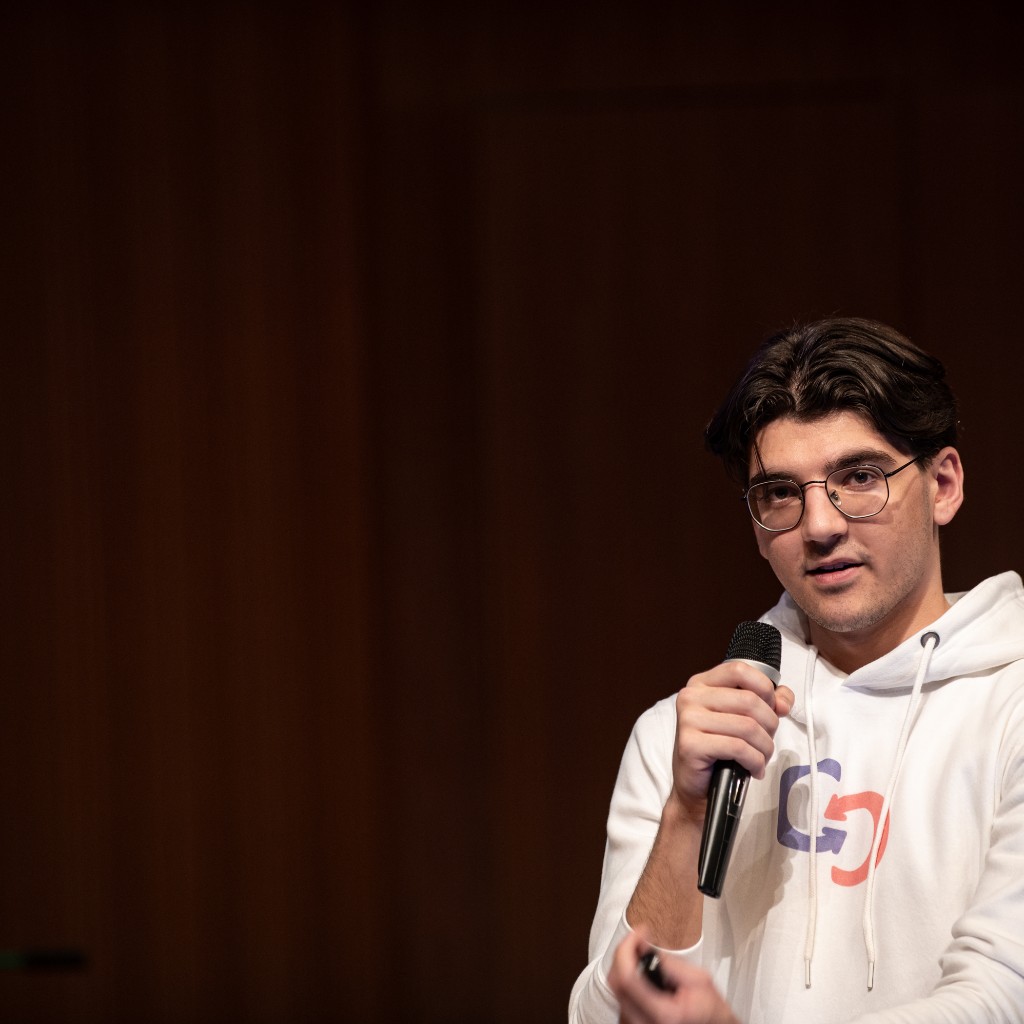
Antonis Politis |

The Real Cost of High Donor Churn (And How to Stop It)
Nonprofits track acquisition. The ones that survive track retention. Here's what donor churn actually costs — and the proof-based fix.
The Fundraising Effectiveness Project's 2025 report put national first-time donor retention at 19.4%. That means for every 100 first-time donors a nonprofit acquires, fewer than 20 give again. The remaining 80 receive a thank-you email, file the receipt, and never return. Most nonprofits treat this as a permanent condition of the sector. It isn't. Givelink, a Transparent Giving Platform that connects donors to verified U.S. 501(c)(3) nonprofits with photo proof of delivery, was built around one insight: donors leave because they never saw what they gave. Here is what churn actually costs and how to reverse it.
Key Takeaways
- First-time donor retention is below 20% nationally — the average nonprofit loses 80% of new donors (Fundraising Effectiveness Project, 2025).
- Replacing a lost donor costs 5–10x more than retaining one.
- The #1 reason donors cite for not returning is lack of proof that their gift made a difference.
- Givelink donors give 60% more times per year than donors on traditional platforms (Givelink data, 2026).
- Photo proof of delivery is the most effective single intervention for first-year donor retention.
What donor churn actually costs
Most nonprofits calculate donor acquisition cost (DAC) — the marketing, event, and staff cost required to acquire a single new donor. Sector averages range from $25 to $75 per acquired donor for digital campaigns, and significantly higher for events and direct mail.
What most organizations don't calculate is the compounding cost of losing those donors.
A nonprofit with 500 annual donors, a 20% retention rate, and a $40 acquisition cost needs to acquire 400 new donors per year just to maintain current size — at a cost of $16,000 in acquisition alone. If that retention rate moved to 40%, they'd need to acquire only 300 new donors, saving $8,000 in acquisition while growing the base.
The math compounds further over time. A retained donor who gives three times a year for five years produces a lifetime value that dwarfs their acquisition cost. The donor acquired once and never retained produces only their first gift.
According to the Association of Fundraising Professionals' 2024 Fundraising Effectiveness Report, the average lifetime value of a retained donor is 4.2x that of a one-time donor. For nonprofits operating on thin margins, that multiplier is the difference between sustainability and chronic shortfall.
Why donors actually leave
Exit surveys and donor research consistently surface the same reasons donors don't return:
- No proof the gift mattered. "I gave and never heard what happened." This is the most common response by a significant margin in Nonprofit Finance Fund surveys.
- Generic, impersonal communication. A form thank-you email and an annual impact report are not relationship-building tools.
- Lack of trust in how funds are used. Not a belief that fraud occurred — simply no evidence that the donation was used well.
- No easy path back. A donor who wants to give again has to search, navigate, re-enter payment details, and re-establish context. Most don't.
None of these problems require a large budget to solve. They require a different structure.
The visibility fix
"Online giving feels like throwing money into a vague donation basket."
The intervention that addresses all four churn drivers simultaneously is proof of delivery.
When a donor's gift produces a specific outcome — items selected, delivered, photographed, and confirmed — all four problems resolve:
- The proof that the gift mattered exists and is visible.
- The communication is personal — this photo is from your donation, specifically.
- Trust is built through evidence, not assertion.
- The path back is embedded in the dashboard — the donor's giving history is right there, with a direct link to the nonprofit's current wishlist.
This is not a theory. Givelink donors give 60% more times per year than donors on traditional platforms (Givelink data, 2026). The visibility flywheel is real and measurable.
How to audit your current retention failure points
A simple diagnostic for nonprofit leaders:
| Question | If yes | If no |
|---|---|---|
| Does your thank-you sequence include a specific outcome tied to the donor's gift? | Retention asset | High churn risk |
| Does the donor receive visual proof (photo, video) of their donation's impact? | Retention asset | High churn risk |
| Does your donor have a dashboard or portal showing their giving history? | Retention asset | High churn risk |
| Is the path back to giving from a donor's email two clicks or fewer? | Retention asset | High churn risk |
| Does your nonprofit have a Charity Navigator rating displayed to donors? | Trust asset | Trust gap |
Most nonprofits score two or fewer "retention asset" responses. Each gap is a churn driver.
The role of the In-Kind Donation Button
One of the most effective retention tools for nonprofits on Givelink is the embeddable In-Kind Donation Button. When placed on the nonprofit's own website, email footer, and social media links, the button creates a persistent, easy path back to giving.
Nonprofits that embed the button see approximately 40% more in-kind donations than those who rely on platform discovery alone (Givelink data, 2026). The button is a retention mechanism as much as an acquisition tool — it keeps the giving moment within reach for donors who want to return.
Why this matters in 2026
The economic pressures on the nonprofit sector in 2026 are significant. Federal funding uncertainty, rising service costs, and a donor base that shrinks as the giving population ages are creating a compounding budget crisis for organizations with thin retention metrics.
The nonprofits that survive and grow in this environment will not be the ones that spend more on acquisition. They'll be the ones that make the giving experience visible enough that the donors they do acquire stay.
Givelink in action
A youth development nonprofit in East Oakland had a first-year donor retention rate of 17% — below the already-low national average. After joining Givelink and publishing a specific wishlist, they began sending delivery photos directly to every donor whose items arrived. Within two quarters, their repeat giving rate had risen to 43%. The platform cost them nothing. The photos did the work. Set up your free Givelink profile and build a retention foundation that compounds.
Frequently Asked Questions
What is a good donor retention rate for nonprofits?
The national average for first-time donors is below 20% (Fundraising Effectiveness Project, 2025). A retention rate above 40% for first-year donors is considered strong. Organizations with photo proof of impact and item-level giving visibility consistently outperform the national average.
Why do donors stop giving to nonprofits?
The most common reason is lack of proof that their gift made a difference. Other factors include generic communication, lack of trust in fund use, and no easy path back to giving. Transparent giving platforms that close the loop with delivery photos address all four.
How much does it cost to acquire a new donor vs. retaining an existing one?
Research from the Association of Fundraising Professionals suggests retaining a donor costs roughly 5–10x less than acquiring a new one. Moving from 20% to 40% retention can save a mid-size nonprofit $8,000–$20,000 in annual acquisition costs.
Does Givelink help with donor retention?
Yes. Givelink's photo proof of delivery, item-level giving, and donor dashboard are specifically designed to close the loop between donors and the organizations they support. Givelink donors give 60% more often per year than donors on traditional platforms (Givelink data, 2026).
Stop losing the donors you worked to find
Set up your free Givelink profile and give every donor a reason to come back.
Stay Human.
Antonis Politis is CEO and Co-Founder of Givelink. He has studied donor retention patterns across 199+ nonprofit partners and built the platform around the single most effective fix: showing donors what they gave.
Διάβασε επίσης
Τι είναι η Givelink;
Άκου από τους ίδιους τους ιδρυτές:
Στήριξε μια οργάνωση
Κάνε τα ψώνια που χρειάζεται, online!