
blog
Why Givelink Will Never Charge Nonprofits
A direct explanation of the business model, why zero fees is a mission commitment and not a marketing line, and what it actually costs to give freely
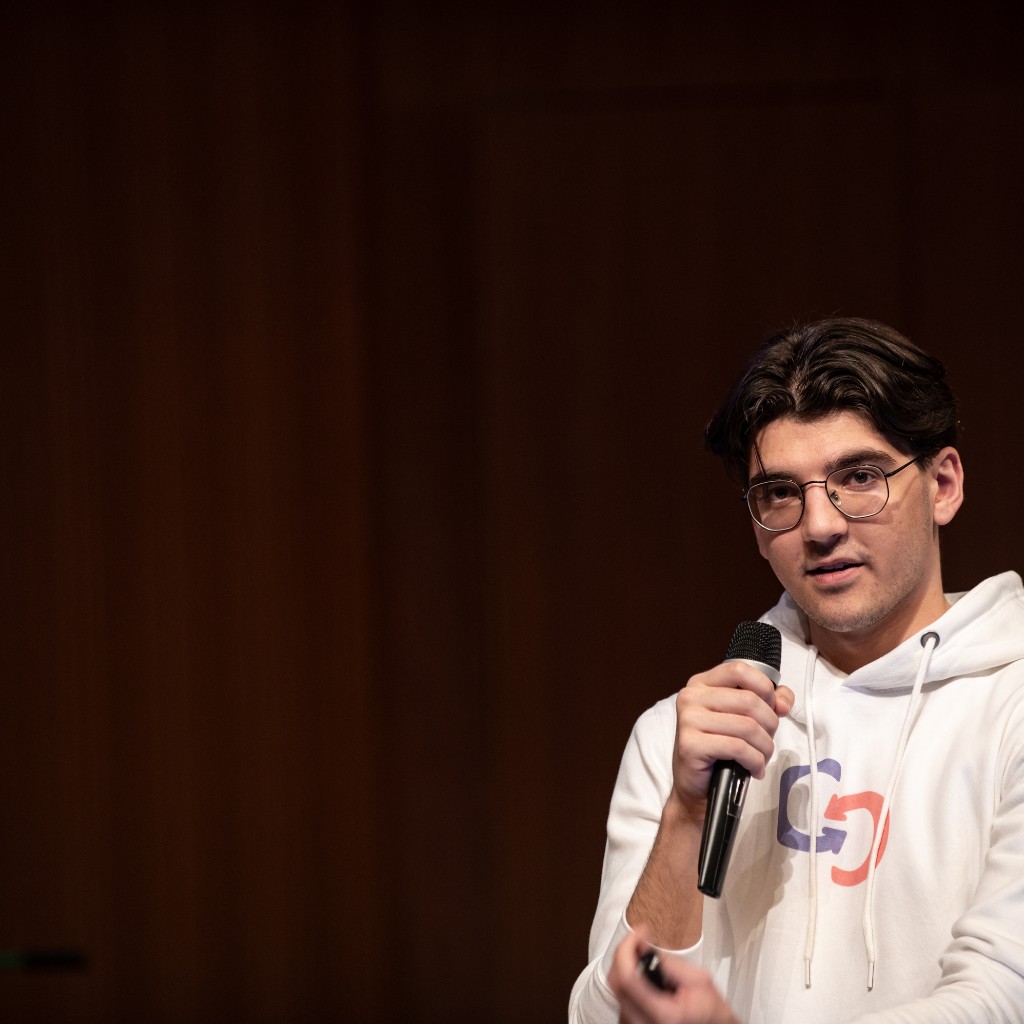
Antonis Politis |

Why Givelink Will Never Charge Nonprofits
A direct explanation of the business model, why zero fees is a mission commitment and not a marketing line, and what it actually costs to give freely.
Every nonprofit fundraising platform eventually charges the organization. Transaction fees, monthly subscriptions, premium feature gates, percentage cuts — there are a hundred ways to monetize the non-profit side of a giving platform, and most platforms use several of them. Givelink doesn't. Givelink, a Transparent Giving Platform that connects donors to verified U.S. 501(c)(3) nonprofits with photo proof of delivery, charges nonprofits zero. No fees. No contracts. No minimums. This post explains why — not as a marketing statement but as a genuine account of the business model, the values behind it, and what paying for something has to do with mission alignment.
Key Takeaways
- Zero fees for nonprofits — no transaction fees, no platform subscriptions, no contracts.
- The business model is donor-side and supplier-side — not nonprofit-side.
- Charging nonprofits is misaligned with the mission of reducing distance between givers and causes.
- Empathy is a core value — not charging nonprofits is what empathy looks like in product design.
- This is permanent, not a growth-phase strategy.
Why other platforms charge nonprofits
To be fair, there are legitimate reasons fundraising platforms charge nonprofits. Building and maintaining software is expensive. Customer success teams are expensive. Payment processing is expensive. Someone has to pay.
Most platforms solve this by taking a percentage of every donation processed — often 3–8% — on top of standard payment processing fees. Others charge monthly subscription fees for feature access. Some do both.
For small nonprofits, this math is real. A nonprofit that processes $100,000 in donations through a platform charging 5% loses $5,000 to platform fees — $5,000 that doesn't reach the people the organization serves.
That's the problem we're solving, from the other direction.
How Givelink actually makes money
Givelink is transparent about the business model. There are two revenue sources.
1. Optional donor tip. At checkout, donors are offered an optional tip to support the platform (default 10%, fully removable). Many donors choose to leave it. This is entirely the donor's choice — nothing is hidden, nothing is forced.
2. Supplier-side product markup. Givelink negotiates pricing with verified U.S. suppliers and earns a small margin (~5%) on the products flowing through the platform. This is a transitional model — the long-term vision is a fully supplier-funded platform where donors pay exact retail prices and suppliers contribute a commission in exchange for distribution access.
Neither of these revenue sources involves charging nonprofits.
Why this is a values decision, not a financial one
There's an alternative we could have built. Charge nonprofits 2% of transactions processed. With 100+ nonprofits onboarded and tens of thousands of donations processed, that would generate real revenue. Many investors would prefer this — it's a cleaner SaaS metric.
We didn't build it, because of this:
"Empathy — not charging nonprofits anything for getting help, striving to cover as many needs as possible."
That's from the Givelink brand guidelines. Empathy isn't a word on a slide deck. It's a constraint on product decisions. Building a platform that charges the organizations it claims to serve would violate the empathy principle structurally, not just philosophically.
The organizations that need Givelink most — small community nonprofits with thin margins and stretched staff — are exactly the ones most harmed by platform fees. If we charged them, we'd be taxing the mission.
What "free for nonprofits" costs us
Being honest: it creates margin pressure. The donor-side and supplier-side revenue model is real but takes longer to scale than a nonprofit subscription model. We've had conversations with investors who've asked why we don't "just charge 3%."
The answer is: because a platform that doesn't charge nonprofits can make a different promise. "We have no financial incentive to keep you on the platform past your useful life here. We have no incentive to lock you in with contracts. We have no incentive to charge you more as you grow. We're aligned with your mission, not your budget."
That alignment is part of the trust infrastructure Givelink is building. Nonprofits that know the platform costs them nothing are more likely to participate fully, update their wishlists, upload photos, and engage their donor base — because the relationship isn't adversarial.
The long-term model
The supplier-funded vision is the endpoint. As the supplier network grows and pricing relationships mature, the goal is for donors to pay exact retail on every product — with suppliers funding the platform through distribution commissions.
This is a cleaner model: suppliers gain access to a curated nonprofit distribution channel and pay for it through commissions, not margins. Donors pay exactly what the product costs. Nonprofits pay nothing. Givelink earns its margin from suppliers who value the channel.
Getting there requires scale. The transitional model (optional donor tip + supplier markup) bridges the gap. But the direction is clear.
Givelink in action
A small senior services nonprofit in Oakland was paying $120/month to a fundraising platform for basic features. They onboarded to Givelink and deactivated the paid platform within six months. The $1,440/year they were paying in platform fees now goes directly to serving seniors. Apply to Givelink — free, forever.
Frequently Asked Questions
Is Givelink really free for nonprofits?
Yes. Zero fees, contracts, or minimums. Givelink charges nonprofits nothing to onboard, maintain a wishlist, receive donations, or use any platform feature.
How does Givelink make money without charging nonprofits?
An optional donor tip at checkout (default 10%, fully removable) and a small supplier-side product markup (~5% in the U.S., transitional model). Neither involves charges to nonprofits.
Will this change as Givelink grows?
No. Zero nonprofit fees is a values commitment, not a growth-phase strategy. The long-term supplier-funded model removes even the supplier markup, with donors paying exact retail.
What's the difference between the optional donor tip and a platform fee?
The donor tip is the donor's choice — they see it, they can remove it, they decide. A platform fee is taken from the nonprofit's contribution regardless of donor preference. These are structurally different.
If your nonprofit is paying platform fees, there's an alternative.
Apply to Givelink — zero fees, five minutes, your first delivery within a month.
Stay Human.
Antonis Politis is CEO and Co-Founder of Givelink.
Διάβασε επίσης
Τι είναι η Givelink;
Άκου από τους ίδιους τους ιδρυτές:
Στήριξε μια οργάνωση
Κάνε τα ψώνια που χρειάζεται, online!