
blog
How Givelink's Supplier Network Works
From product sourcing to biweekly delivery — the verified supplier infrastructure behind every donation that arrives with a photo.

Alex Karagiannis |
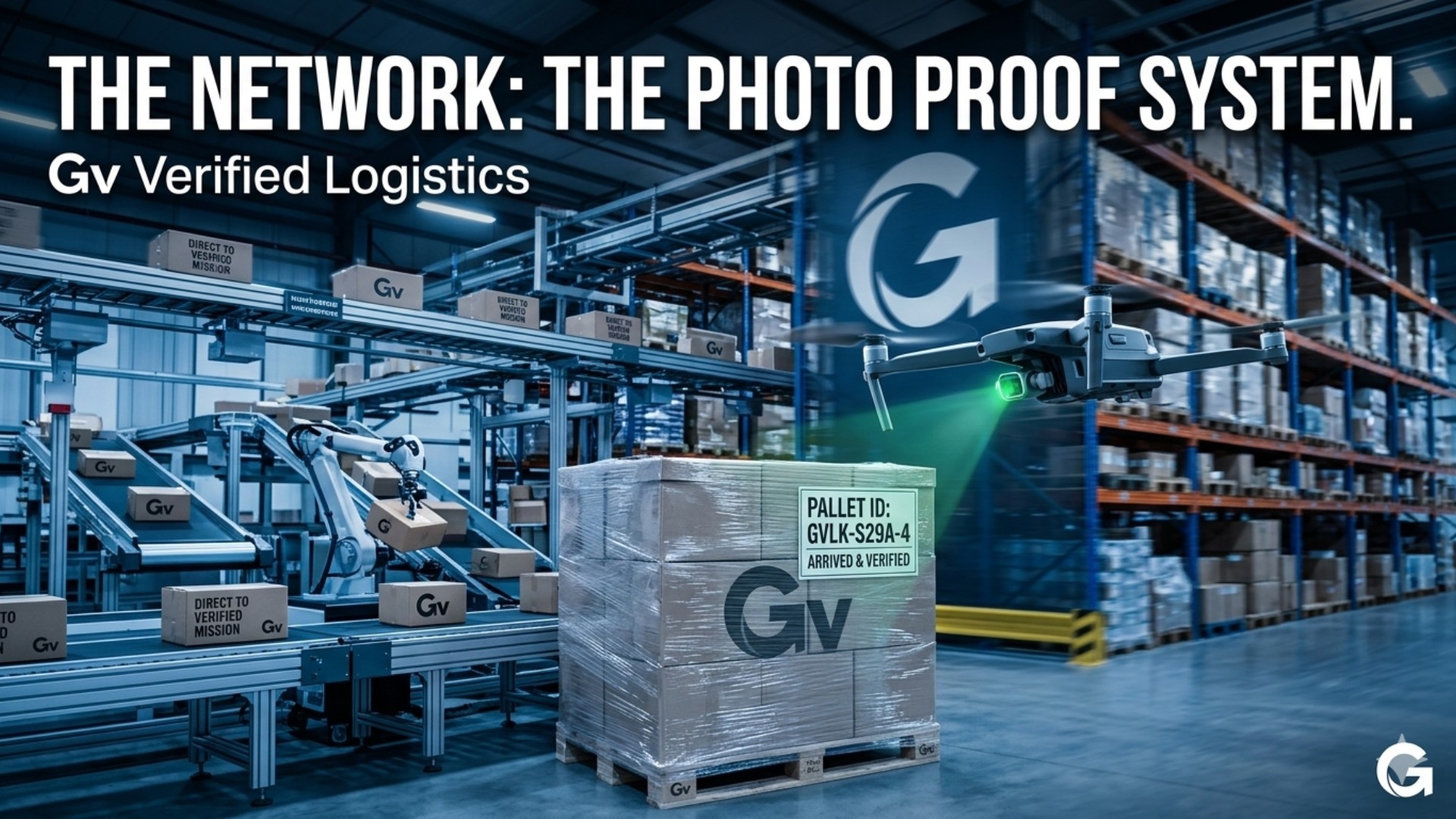
How Givelink's Supplier Network Works
From product sourcing to biweekly delivery — the verified supplier infrastructure behind every donation that arrives with a photo.
Every item delivered through Givelink — every toothbrush, every diaper, every case of nutritional shakes — moves through a verified supplier network before it reaches a nonprofit's shelf. This infrastructure is invisible to most donors and nonprofits, which is by design. But for suppliers, logistics partners, and organizations evaluating Givelink as a platform, understanding how the network works is important. Here's the complete picture: how suppliers are verified, how orders flow, how batching works, and where the model is heading.
Key Takeaways
- Givelink sources all products through verified U.S. suppliers — no individual retail purchases.
- Suppliers are vetted for product quality, reliability, and pricing before joining the network.
- Biweekly batching aggregates orders for each nonprofit before triggering fulfillment.
- The current margin model (~5% supplier-side markup) is transitional — the goal is commission-based.
- Becoming a supplier opens a verified B2B channel into 100+ U.S. nonprofits.
How supplier verification works
Givelink does not source products from retail platforms like Amazon. Every product flowing through the platform comes from a verified supplier relationship.
Supplier verification includes:
1. Business verification: Confirmed legal business entity, U.S. operations, and relevant product categories.
2. Product quality review: Sample review of products in categories relevant to nonprofit wishlists — hygiene goods, food, baby care, school supplies, household items, senior care.
3. Pricing review: Pricing must be at or below fair retail market rate for nonprofit program supply contexts.
4. Fulfillment capability review: Confirmed ability to fulfill biweekly batched orders at the volume levels Givelink coordinates.
5. Compliance check: Food and hygiene suppliers must meet applicable FDA and state regulatory standards for products distributed to vulnerable populations.
Once verified, suppliers are onboarded into Givelink's fulfillment system and assigned product categories.
How orders flow through the system
When a donor completes a checkout on Givelink, the order enters a fulfillment queue for the relevant nonprofit. Here's the order flow:
- Donor selects items from a nonprofit's wishlist (or SmartPick converts a cash amount to an optimal mix).
- Order is queued in the nonprofit's biweekly fulfillment batch.
- At the biweekly cutoff, Givelink aggregates all orders in the queue across donors for that nonprofit.
- Aggregated order is transmitted to the relevant verified suppliers.
- Suppliers package and ship the consolidated order to the nonprofit's confirmed shipping address.
- Delivery arrives at the nonprofit, organized by item category.
- Nonprofit photographs delivery and uploads to the Givelink dashboard.
- Photo and tax receipt are distributed to all donors who contributed to that batch.
The biweekly rhythm means most nonprofits receive two organized deliveries per month, each containing items from multiple donors in a single consolidated shipment.
The current margin model — and where it's going
Givelink currently earns a small margin (~5%) on the supplier side of each product transaction. This covers platform operations, logistics coordination, and supplier relationship management.
This is a transitional model. The long-term goal — already operational in some supplier relationships — is a commission-based structure:
- Suppliers offer a commission (equivalent to standard wholesale-to-retail margin) for access to Givelink's nonprofit distribution channel.
- Donors pay exact retail price — no markup.
- Givelink earns its operating revenue from supplier commissions rather than product margins.
This model is cleaner for donors (exact retail pricing), better for suppliers (volume distribution channel, not just a margin arrangement), and aligned with Givelink's zero-fee nonprofit commitment.
Getting there requires sufficient volume to attract supplier commissions at scale. The current trajectory makes it achievable within the platform's next phase.
What suppliers gain from the Givelink network
For suppliers evaluating a partnership, three things matter:
1. Stable B2B volume. The biweekly fulfillment cycle creates predictable order flow — not spike-and-trough retail patterns but steady, scheduled purchase orders across 100+ verified nonprofits.
2. ESG documentation. Every delivery is photographed by the receiving nonprofit, producing photo-documented, Charity Navigator–verified impact evidence that suppliers can use in ESG reports.
3. Mission alignment. Products in the Givelink supply chain are going to verified nonprofits serving vulnerable populations. This is verifiable, documentable, and brand-aligned in ways that standard retail distribution is not.
Givelink in action
A U.S. hygiene goods supplier joined the Givelink network in 2025 and now supplies soap, shampoo, and hygiene kits to 15+ verified nonprofits on a biweekly schedule. Their ESG team receives quarterly impact documentation — delivery photos, nonprofit identities, Charity Navigator data — from the Givelink dashboard. The supplier's procurement team calls it "the cleanest B2B documentation we've ever had for a social impact program." Contact Givelink to explore a supplier partnership.
Frequently Asked Questions
How does Givelink source its products?
Through a network of verified U.S. suppliers — not retail platforms. Suppliers are vetted for product quality, pricing, fulfillment capability, and regulatory compliance before joining the network.
Can any company become a Givelink supplier?
Suppliers must meet verification requirements: confirmed U.S. business operations, product quality review, pricing at or below fair market rate, and fulfillment capability for biweekly batched orders. Contact contact@givelink.app to begin the review process.
Do suppliers set the prices donors pay?
Givelink sets pricing based on supplier costs plus the current transitional platform margin (~5%). Under the long-term commission model, donors will pay exact retail price.
How is the biweekly fulfillment cycle managed?
Givelink's platform aggregates all donor orders for each nonprofit over a two-week window, then transmits consolidated purchase orders to the relevant suppliers at the biweekly cutoff.
Interested in becoming a Givelink supplier?
Contact the Givelink team to explore a supplier partnership with verified B2B distribution and photo-documented ESG impact.
Stay Human.
Alexandros Karagiannis is CTO and Co-Founder of Givelink.
Διάβασε επίσης
Τι είναι η Givelink;
Άκου από τους ίδιους τους ιδρυτές:
Στήριξε μια οργάνωση
Κάνε τα ψώνια που χρειάζεται, online!